–Barrington Williams, B1Daily
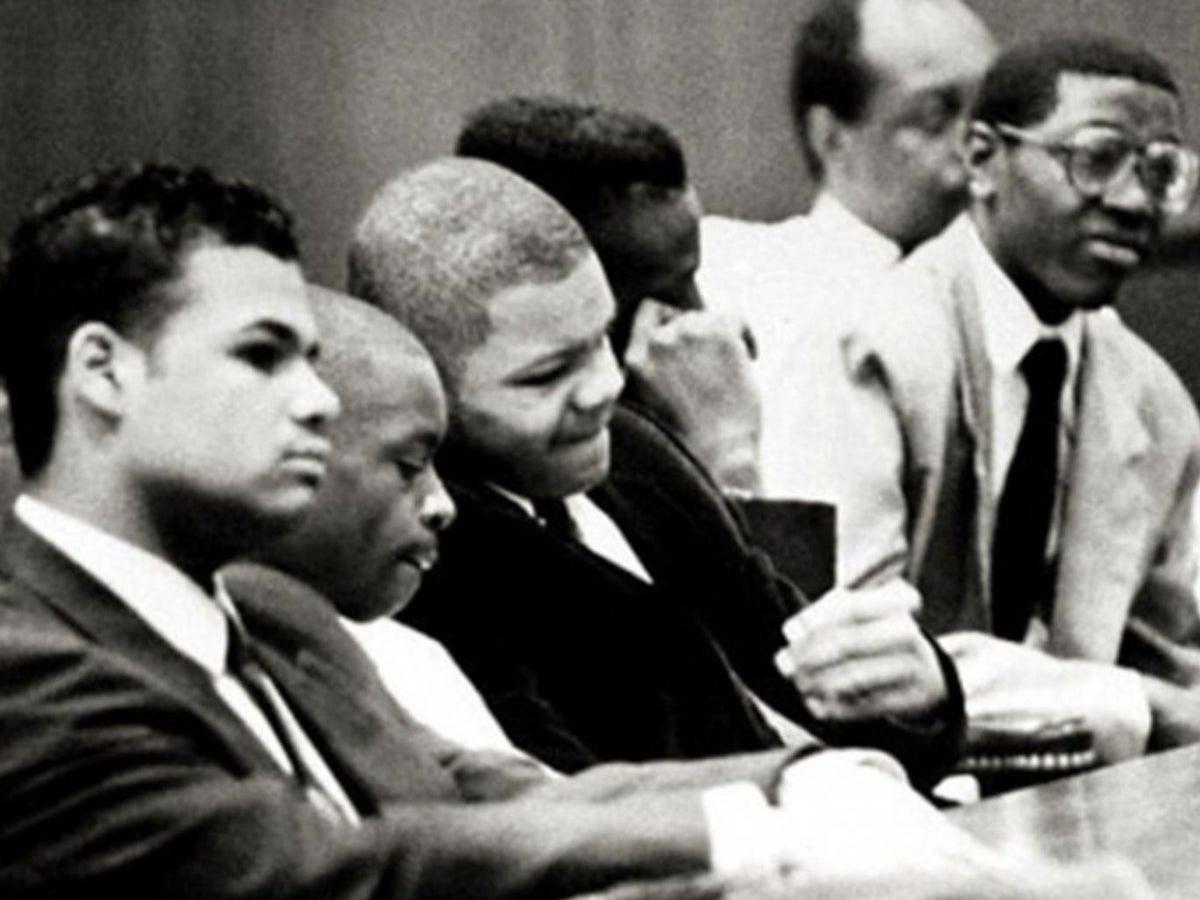
For the descendants of American Freedmen, emancipation did not guarantee equal protection under the law. Black men faced a legal and social order in which racial stereotypes could transform suspicion into punishment, with devastating consequences for families and communities.
Following the Civil War, Southern Black Codes and discriminatory enforcement of vagrancy laws helped funnel formerly enslaved people into systems of forced penal labor. These practices illustrate how criminal law could be used to undermine freedom itself, even when conduct would not have attracted comparable scrutiny from authorities elsewhere.
In 1931, nine Black youths known as the Scottsboro Boys were falsely accused of rape in Alabama. Eight initially received death sentences. Their prolonged legal ordeal, despite a recantation by one of the accusers, remains a landmark example of the dangers of racial prejudice and inadequate legal representation.
The problem did not disappear with Jim Crow. Brian Banks, a promising California football player, lost five years to imprisonment after a false rape allegation by a classmate. He was exonerated in 2012 after his accuser acknowledged that she had lied. False accusations can destroy educational opportunities, careers and relationships long before a court corrects the record.
The National Registry of Exonerations reported in 2022 that Black people accounted for 53 percent of the 3,200 exonerations it examined, despite representing only 13.6 percent of the population. Based on those cases, researchers estimated that innocent Black Americans were seven times as likely as innocent white Americans to experience wrongful conviction for serious crimes. The figures describe Black defendants generally and do not separately track Freedmen ancestry.
Anti-Black stereotypes are not confined to white Americans. Individuals from immigrant backgrounds, like native-born citizens of every background, can absorb and repeat prejudices about Black American men. An accusation should receive the same evidentiary scrutiny regardless of the accuser’s nationality, ethnicity or citizenship. Available evidence does not establish a separate rate of false accusations by immigrants, and individual wrongdoing must not be attributed to entire communities.
False statements are only one component of wrongful conviction. Mistaken identification, coerced confessions, unreliable informants, withheld evidence and official misconduct can also produce injustice. An unproven allegation is not necessarily a deliberate lie, just as an accusation is not proof of guilt. Investigations must protect genuine victims while respecting the rights of the accused.
The enduring lesson is that Black American men deserve the presumption of innocence in practice as well as in principle. Reliable evidence, independent review of questionable convictions, effective defense counsel and accountability for proven misconduct are essential safeguards. Neither the ancestry of an accused man nor the background of his accuser should determine whose testimony receives credibility.
–Barrington Williams, B1Daily


Leave a Reply