—Matt Gwinta, B1Daily
Before the British established Nigeria as a colonial territory, the land now encompassed by its borders was home to numerous African societies with their own political institutions, traditions and identities. There was no single indigenous name for the entire modern country. Instead, kingdoms, empires and autonomous communities maintained distinct systems of government and extensive networks of commerce. These kingdoms were hundreds of years old but Nigeria is young. In fact, our Black American cousins have older lineages than most Nigerian tribal factions.
In the north, Hausa city-states such as Kano and Katsina developed important centers of trade, scholarship and craftsmanship. Following the religious and political movement led by Usman dan Fodio in the early nineteenth century, the Sokoto Caliphate emerged in 1804 and became one of the largest political entities in West Africa.
Southwestern Nigeria was home to the Yoruba Oyo Empire, whose cavalry, commercial networks and political institutions enabled it to exercise considerable regional influence. Its rulers, known as Alaafins, governed within a political order that included powerful councils and officials. Other Yoruba centers, including Ile-Ife, possessed rich artistic and religious traditions.
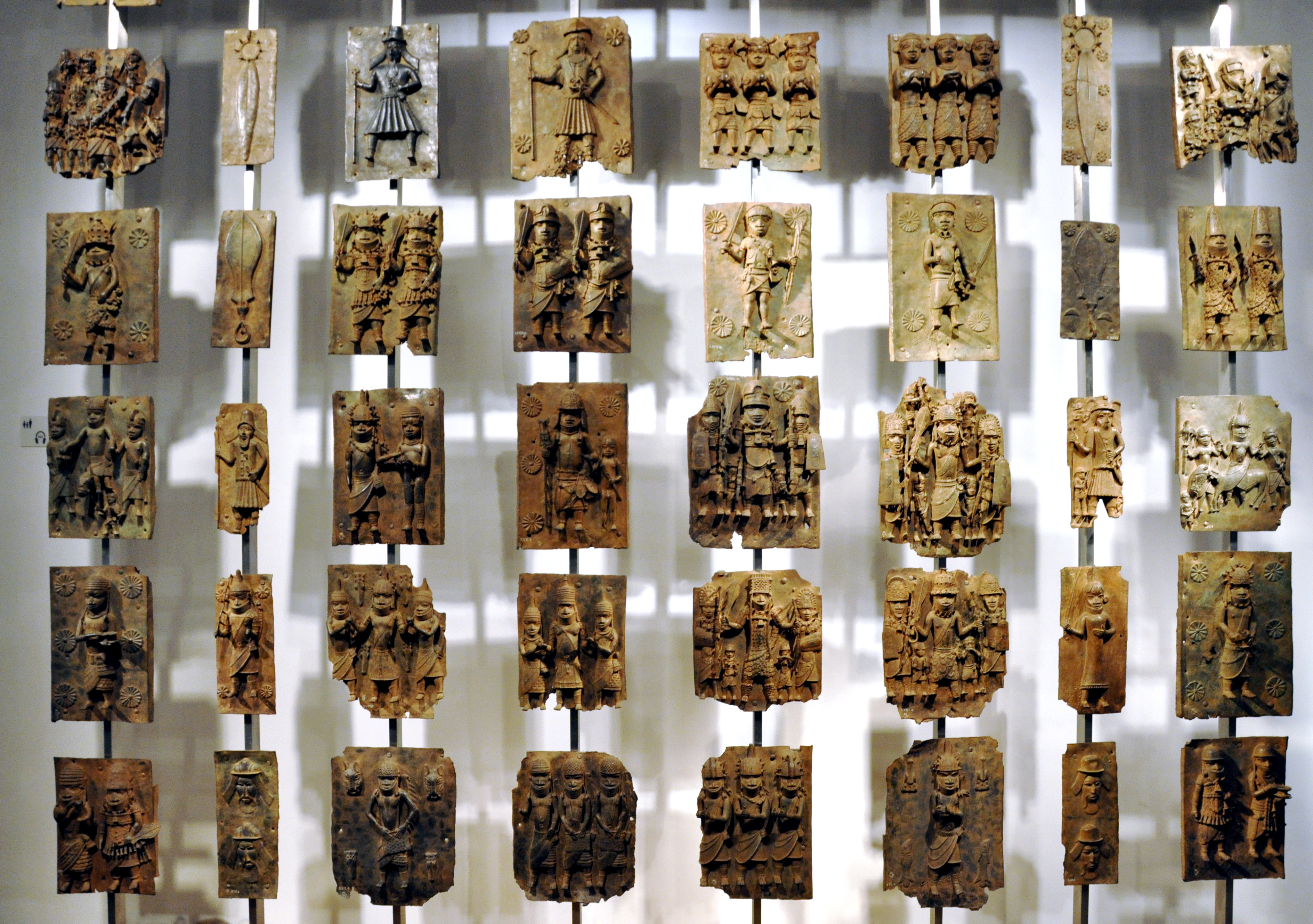
The Edo Kingdom of Benin developed a sophisticated royal government centered on the Oba. Its artisans produced elaborate brass plaques and sculptures that documented court life and royal authority. These works became internationally renowned, particularly after British forces conquered Benin City and looted royal treasures in 1897.
In the southeast, the Kingdom of Nri exercised religious and cultural influence among Igbo communities. Many Igbo societies also maintained decentralized political institutions, with authority exercised through assemblies, elders and other local organizations. The Aro Confederacy established extensive commercial and religious networks across the region.
In the northeast, the Kanem-Bornu Empire connected communities around Lake Chad to trans-Saharan trade and Islamic scholarship. Along the Niger Delta, trading states such as Bonny and Warri developed their own diplomatic and commercial relationships with neighboring African societies and overseas merchants.
The modern name Nigeria was proposed in 1897 by British journalist Flora Shaw, who derived it from the Niger River and later married colonial administrator Frederick Lugard. British authority expanded through conquest, treaties and commercial intervention, eventually producing separate northern and southern protectorates. On January 1, 1914, Lugard amalgamated the northern and southern administrations into a single colonial entity.
Nigeria gained independence on October 1, 1960, inheriting borders that enclosed many distinct historical societies. Understanding the country’s precolonial past means recognizing that British rule did not introduce civilization or political organization to the region. It imposed a new territorial administration over peoples whose histories, institutions and cultural achievements long preceded the colonial state.
—Matt Gwinta, B1Daily


Leave a Reply