—Kerry Hill, B1Daily
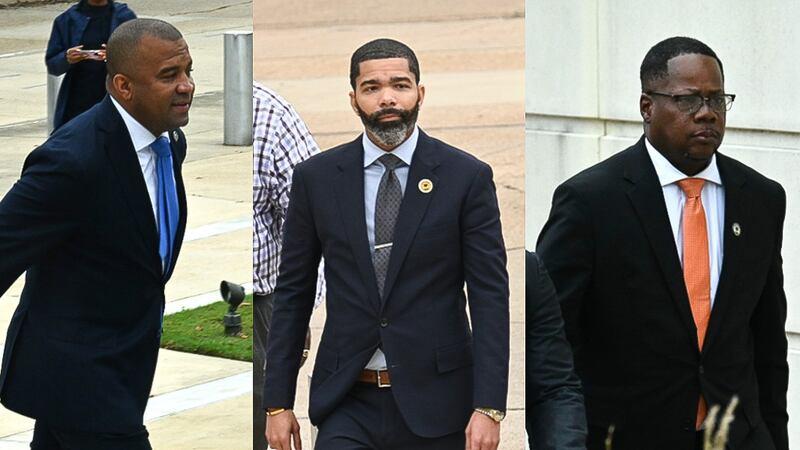
A visit to a downtown Jackson cigar lounge helped set in motion an investigation that would bring down three of Mississippi’s capital city’s elected officials. The prospective investors were working undercover for the FBI. The lounge’s owner, Hinds County District Attorney Jody Owens, would eventually plead guilty to conspiracy and receive a federal prison sentence alongside former Mayor Chokwe Antar Lumumba and former council president Aaron Banks.
The investigation centered on a proposed hotel development near Jackson’s convention center. According to the federal indictment unsealed in November 2024, Owens offered the purported developers access to municipal decision-makers and advised them on payments intended to secure official support. Prosecutors alleged that he accepted at least $115,000 and promises of future financial benefits for his involvement.
The district attorney’s position made the case particularly troubling: an official entrusted with enforcing criminal law was acting as an intermediary between prospective contractors and municipal officials. Mississippi Today reported that recordings documented Owens discussing his relationships with council members and his ability to obtain their backing. The indictment alleged that he arranged more than $80,000 in payments to officials.
The investigation extended to Florida, where an FBI-funded trip culminated in a recorded meeting aboard a yacht. Federal prosecutors said Lumumba received $50,000 presented as five campaign contributions and contacted a city employee about changing a deadline connected to the development. The government alleged that the change was intended to benefit the purported investors.
Banks was accused of requesting $50,000 in return for supporting the project and accepting an initial $10,000. Former councilwoman Angelique Lee also pleaded guilty in connection with benefits that included cash, repayment of debt and merchandise. Insurance broker Sherik Marve Smith, a relative of Owens, pleaded guilty to a bribery-related conspiracy as well.
Owens initially contested the government’s case. In January 2026, Mississippi Today reported that his defense alleged entrapment and challenged the investigators’ use of alcohol and recorded conversations. Those claims were defense allegations, not judicial findings establishing government misconduct. Owens, Banks and Lumumba subsequently pleaded guilty to conspiracy.
The consequences became concrete in November 2026. WAPT reported that Owens received a 41-month prison term and a $100,000 fine on November 5, while Banks received 45 months. On November 20, WJTV reported that Lumumba was sentenced to 37 months and one year of supervised release. A separate forfeiture order required him to surrender $50,000. All three were directed to report to prison on January 4, 2027.
The scandal raises institutional questions extending beyond the defendants. Municipal procurement requires safeguards against undisclosed conflicts of interest, while prosecutorial offices must maintain a separation between public responsibilities and private commercial dealings. Campaign contributions cannot lawfully serve as payment for official action. The guilty pleas establish criminal responsibility for the conspiracy, though they do not independently establish every allegation in the original indictment.
Jackson’s residents are left with the task of rebuilding confidence in institutions responsible for both public investment and the administration of justice. The case illustrates why transparent procurement, meaningful financial disclosures and independent oversight matter: public office is a responsibility, not a commodity to be traded for private gain.
—Kerry Hill, B1Daily


Leave a Reply