—Sylvester Loving, B1Daily
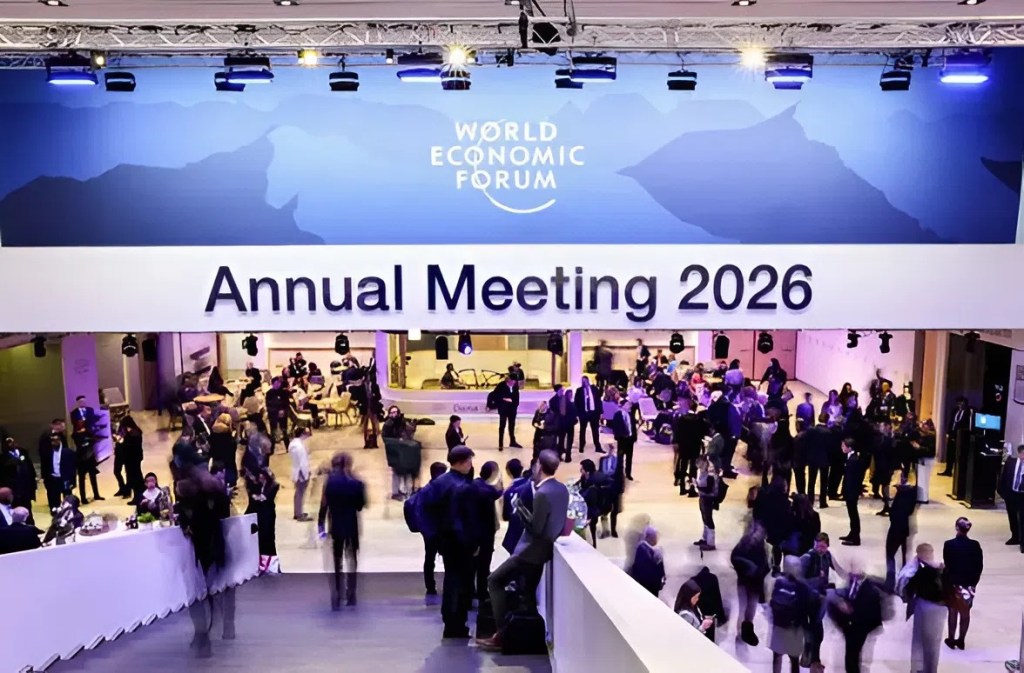
As global leaders gather at elite economic summits, an unusual and disruptive voice is cutting through the usual rhetoric: wealthy people themselves demanding to be taxed. Hundreds of millionaires and billionaires from around the world have signed an open letter calling for higher taxes on the super-rich, arguing that extreme concentrations of wealth are corroding democracy, distorting markets, and accelerating social and environmental crises. Unlike traditional inequality critiques coming from labor groups or civil society, this appeal comes from inside the financial elite—making it harder for policymakers to dismiss as ideological or uninformed.
The significance of this movement lies not just in its moral framing, but in how it reframes political risk. For decades, governments have justified inaction on wealth taxes by claiming political backlash, capital flight, or investor panic. When members of the ultra-wealthy publicly argue that their own class has too much power, that rationale weakens. It gives political cover to lawmakers who privately support progressive taxation but fear being labeled “anti-business” or “anti-growth.”
This shift could materially influence international tax policy in several key ways.
First, it strengthens momentum for coordinated global wealth taxes. One of the biggest obstacles to taxing extreme wealth has been the threat of cross-border tax avoidance. When wealthy individuals themselves argue for higher taxes—and explicitly support international coordination—it bolsters efforts by institutions like the OECD and the G20 to establish minimum global standards. Even if a full global wealth tax remains elusive, the pressure could accelerate agreements on asset registries, transparency rules, and minimum effective tax rates for the ultra-rich.
Second, it reframes billionaires as systemic actors rather than private individuals. This aligns with emerging European approaches that treat extreme wealth as a governance issue, not merely a personal success story. When wealth concentration is acknowledged as a structural threat to democracy, policymakers gain justification for exceptional measures—such as targeted taxes on large fortunes, windfall taxes, or stricter inheritance taxation. This logic dovetails with ideas like France’s exploration of targeted economic measures against oligarch-linked corporate power.
Third, the movement undermines the political narrative pushed by billionaire lobbyists. Wealthy signatories directly contradict claims that higher taxes inevitably destroy innovation or economic dynamism. When successful investors and heirs argue that their fortunes are excessive and socially destabilizing, it weakens the credibility of anti-tax absolutism and exposes how much of the resistance is driven by self-interest rather than economic necessity.
Fourth, it increases pressure on democratic governments to act collectively rather than competitively. The letter highlights how nations are often played against each other in a race to the bottom, offering tax breaks to attract mobile capital. By calling for unified action, the signatories reinforce the idea that sovereignty in the modern economy depends on cooperation. This could lead to expanded tax treaties, shared enforcement mechanisms, and penalties for jurisdictions that function as wealth-hiding havens.
Finally, the movement reshapes public perception. When the wealthy themselves say “tax us,” it punctures the myth that inequality is inevitable or benign. It shifts the debate from whether taxation is punitive to whether untaxed extreme wealth is dangerous. That cultural shift matters: sustained public support is often the missing ingredient in major tax reforms.
Taken together, this movement may not immediately produce a global wealth tax—but it meaningfully shifts the terrain. It normalizes the idea that extreme wealth requires democratic oversight, legitimizes aggressive policy experimentation, and weakens the political defenses that have long protected the ultra-rich. In a world where billionaires increasingly rival governments in power and reach, the call from within their own ranks could become a turning point in how global capitalism is regulated.
—Sylvester Loving, B1Daily



 B1Daily
Leave a comment