—Charles Goode, B1Daily
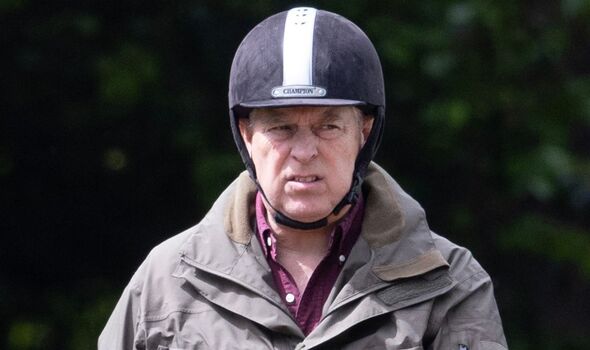
It remains one of the great modern mysteries that a man so consistently unlucky could also be so insistently innocent. The Duke of York, after all, appears to have spent years in the company of Jeffrey Epstein entirely by accident, in much the same way one might accidentally holiday repeatedly with a convicted sex offender who just happens to collect teenage girls and powerful friends.
According to Prince Andrew, Epstein was a mistake. A social misstep. An error of judgement. Which is curious, given that most people’s errors of judgement do not involve transatlantic flights, private dinners, overnight stays, and a brisk constitutional in Central Park with a man freshly released from prison.
The Duke would have us believe he knew nothing. Nothing of the girls, nothing of the allegations, nothing of the curious parade of young women circulating through Epstein’s residences. This despite being a man whose professional life involved meeting arms dealers, despots, oligarchs, and anyone else with a cheque book and a business card. Naïveté, it seems, is reserved exclusively for Florida.
Then came the Newsnight interview — surely the most ambitious attempt at self-immolation ever broadcast by the BBC. Here was a prince explaining, in solemn tones, that he could not have committed the acts alleged because he was incapable of sweating at the time. The nation watched, aghast, as the defence of “medical condition” met the prosecution of common sense and lost within seconds.
Yet the more interesting question has never been whether Prince Andrew did anything illegal. It is what he saw, what he heard, and what he chose not to notice. Epstein’s world was not subtle. It functioned in the open, lubricated by money, intimidation, and the reassuring presence of men whose titles implied that everything must be perfectly above board.
Prince Andrew’s value, after all, was not personal charm — a commodity he has never traded heavily in — but status. A duke confers legitimacy. A royal presence suggests safety. If the Queen’s son is comfortable here, then surely everyone else can relax. That, one suspects, was the real service rendered.
Buckingham Palace has responded in the traditional manner: distance, silence, and a large financial settlement accompanied by strenuous claims that nothing whatsoever is being admitted. The Duke has been removed from public duties but not, notably, from protection. Accountability, like sweat, remains absent.
As more details of Epstein’s network continue to surface, the same question keeps bobbing back up, irritatingly buoyant: what did Prince Andrew know, and when did he know it? The Palace seems to be betting that the answer does not matter so long as enough time passes.
History suggests otherwise. Secrets have a habit of ageing badly, particularly when wrapped in ermine.
—Charles Goode, B1Daily




Leave a comment