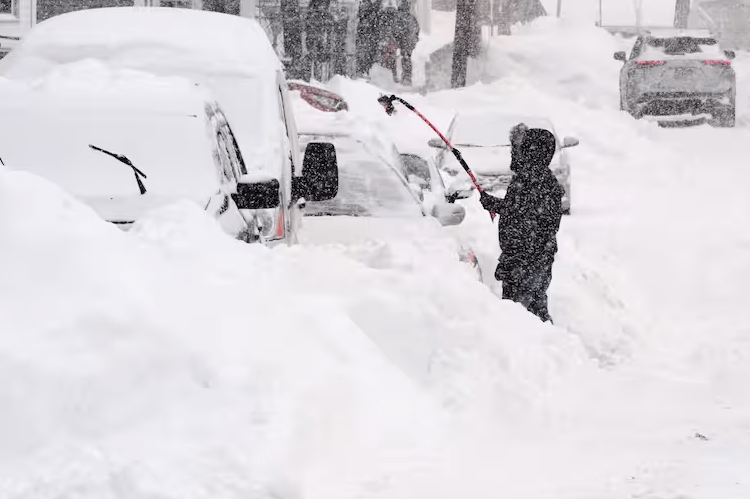
—Barrington Williams, B1Daily
As a powerful winter storm continues to grip large portions of the United States, several Republican-led states remain mired in widespread power outages days after the coldest temperatures and heaviest ice moved through. For tens of thousands of residents, the storm’s aftermath has meant dark homes, freezing indoor temperatures, and growing frustration over infrastructure failures that seem to reappear with every major weather event.
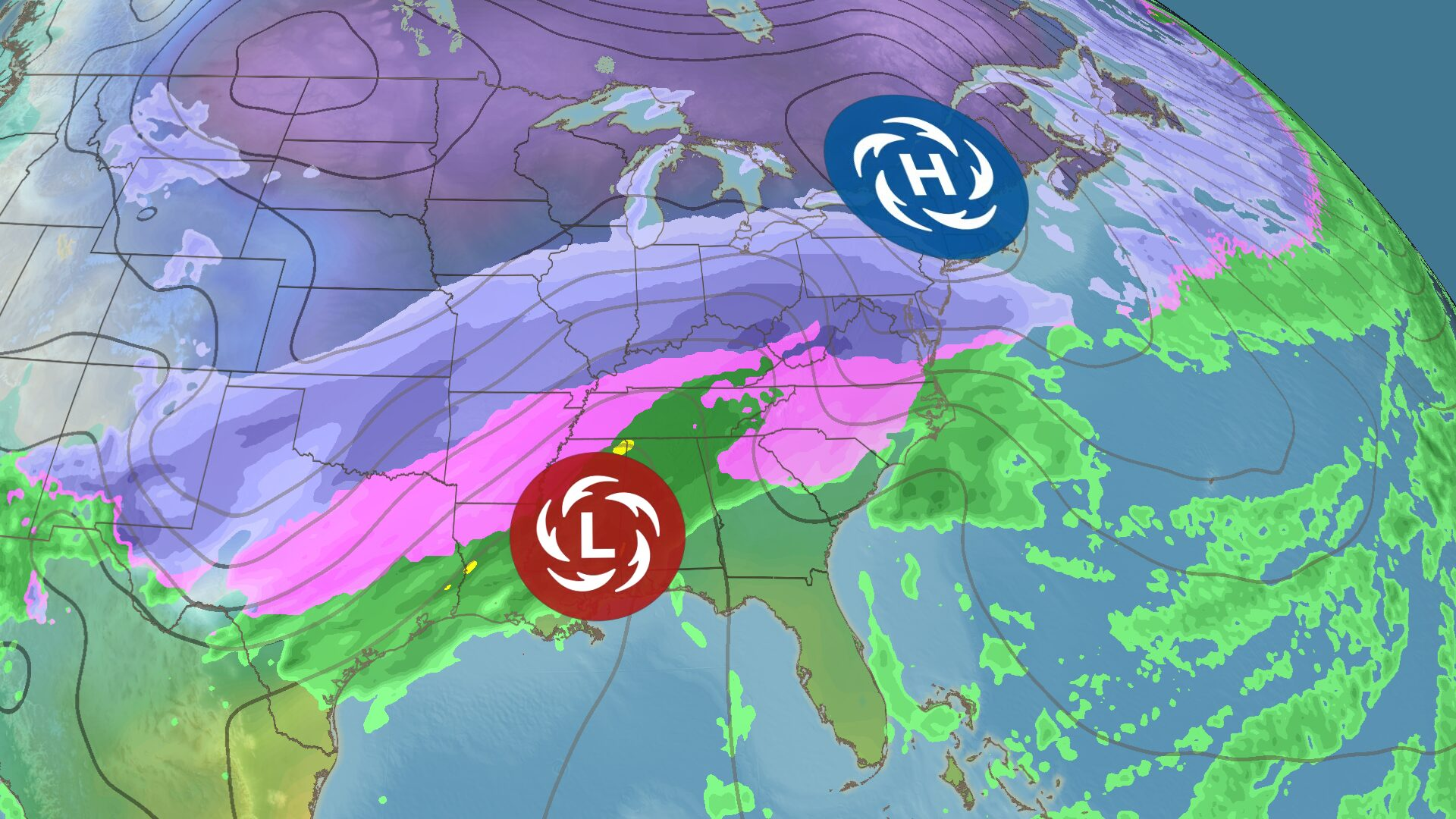
The storm, which swept across the South and Southeast before pushing eastward, brought a dangerous mix of snow, ice, and Arctic air. While winter storms are not new to the region, the scale of damage this system inflicted on local power networks has once again exposed how vulnerable many states remain to extreme cold.
Tennessee and Mississippi have been among the hardest hit. Ice-laden trees snapped under their own weight, pulling down power lines and damaging poles across both urban neighborhoods and rural communities. In some areas, outages have dragged on for days, forcing families to rely on generators, space heaters, or community warming centers just to get through the night.
Louisiana has also reported lingering outages, particularly in northern parts of the state where ice accumulation was heavier than usual. Even in states accustomed to hurricanes and heat, cold weather events continue to reveal weaknesses in infrastructure that is often designed for different threats.
Texas, still haunted by memories of its catastrophic grid failure during the 2021 winter storm, avoided a total system collapse this time. State officials pointed to improvements in grid readiness, yet thousands of Texans still lost power as local distribution systems failed under icy conditions. For many residents, the distinction between a grid that “held” and neighborhoods that went dark offered little comfort.
Utility companies say the outages are largely the result of physical damage rather than a lack of power generation. Repair crews have worked around the clock, but icy roads, dangerous conditions, and the sheer scale of damage have slowed restoration efforts, especially in remote areas.
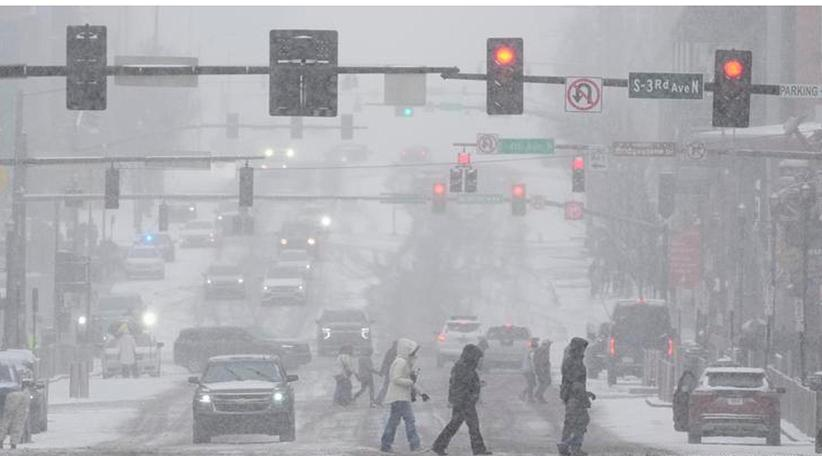
The human toll of these outages has been significant. Prolonged exposure to cold increases the risk of hypothermia, particularly for the elderly, young children, and people with medical conditions. Emergency shelters have opened across affected states, and local officials have urged residents to check on neighbors and avoid unsafe heating methods that could lead to fires or carbon monoxide poisoning.
Beyond the immediate crisis, the storm has reignited political and policy debates. Critics argue that repeated outages in Republican-led states point to chronic underinvestment in grid modernization and weatherization. Supporters counter that no system can be fully insulated against extreme weather, and that the focus should remain on rapid recovery rather than politicizing disasters.
What remains clear is that extreme winter weather is no longer a rare anomaly for large swaths of the country. As power restoration continues and temperatures slowly rebound, residents in the hardest-hit states are left asking the same question raised after past storms: how many more outages will it take before meaningful, long-term solutions are put in place?
—Barrington Williams, B1Daily


Leave a comment