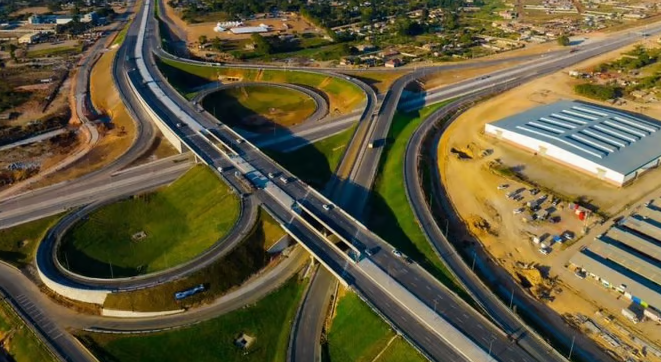
—Matt Gwinta, B1Daily
Zimbabwe stands at a critical crossroads. As the nation strives for economic renewal, social cohesion, and regional integration, the state of its infrastructure—particularly its road network—will determine the speed and direction of its journey. The existing system, a mix of aging colonial-era arteries and poorly maintained secondary routes, is no longer fit for purpose. Modernizing Zimbabwe’s roads is not a luxury; it is an urgent, non-negotiable imperative for national survival and growth.

The consequences of a dilapidated road system are stark and multifaceted. Roads carry over 90% of Zimbabwe’s passenger and freight traffic, yet crumbling highways increase vehicle operating costs through accelerated wear and tear, frequent breakdowns, and higher fuel consumption. This “tax of deterioration” inflates the price of everything from groceries to building materials, stifles business profitability, and cripples the competitiveness of Zimbabwean exports. Farmers watch produce spoil before reaching markets, miners face delays moving equipment, and tourism suffers as key destinations remain inaccessible.
Safety is another casualty. Zimbabwe’s roads are among the most dangerous in the region. Poor road geometry, lack of signage, nonexistent pedestrian facilities, and crumbling surfaces all contribute to fatal accidents. Every life lost is a tragedy; each incident adds a burden to healthcare systems and depletes the nation’s human capital.
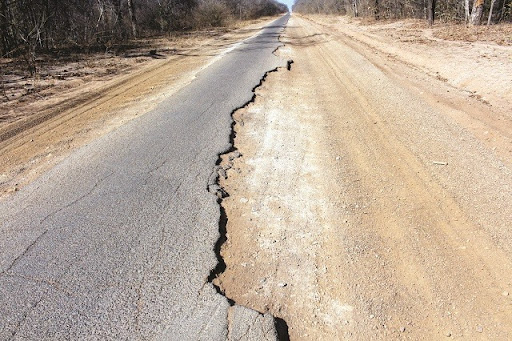
Rural communities bear the brunt of this neglect. Bad roads isolate villages, limit access to essential services like healthcare and education, entrench poverty, and push youth toward urban migration. A modern, all-weather road network is not just infrastructure—it is a lifeline, connecting farmers to markets, students to schools, and patients to clinics.
Investing in modern roads yields transformative returns. Efficient corridors slash logistics costs, attract foreign investment, and boost key sectors like agriculture, mining, and tourism. They form the backbone of industrial clusters and special economic zones, enabling just-in-time delivery, expanding supply chains, and creating jobs—from construction and engineering to logistics and retail.
Zimbabwe is geographically poised to be a hub for Southern Africa. Modernizing key routes along the Beira-Lobito and North-South corridors would position the country as a vital transit route, generating transit fees and boosting trade within the African Continental Free Trade Area. Regional integration isn’t just a goal—it is an economic necessity.
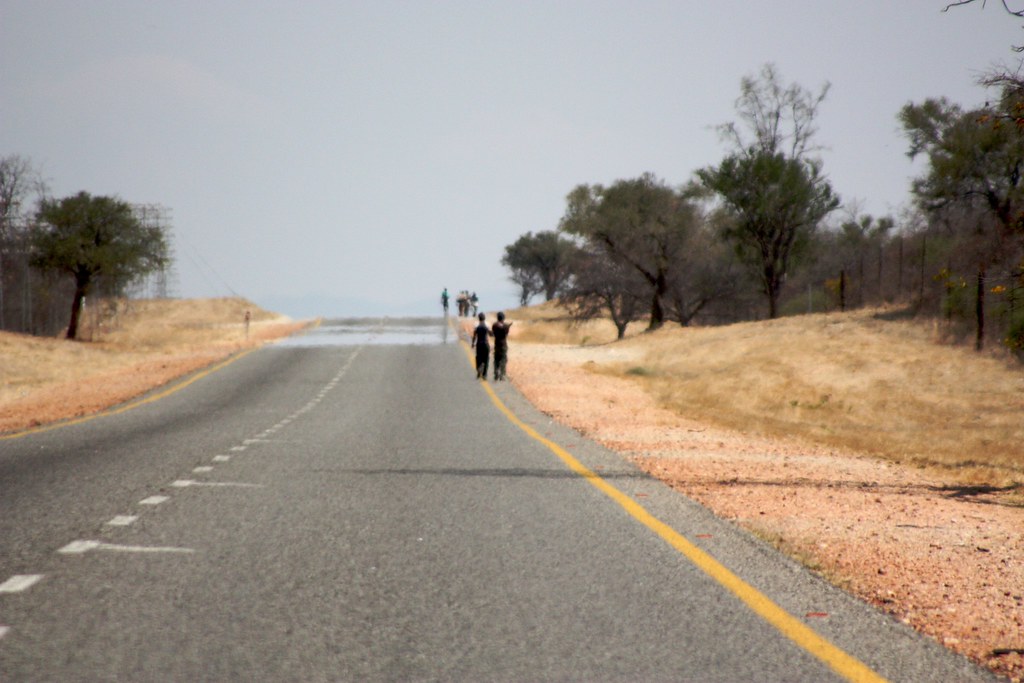
Safety and resilience are built into modern design. Proper drainage, clear signage, pedestrian walkways, and bicycle lanes save lives, reduce insurance costs, and fortify infrastructure against floods and storms intensified by climate change. Technology also plays a crucial role: traffic management systems, weigh-in-motion sensors, and digital maintenance platforms lay the groundwork for future innovations like connected vehicles.
The road ahead requires strategic action. Zimbabwe must leverage blended financing models—public-private partnerships, concessional loans, and dedicated road funds. Prioritization is key: focus on strategic economic corridors and critical rural roads first, achieving early, visible wins. Local contractors and suppliers must be empowered, not only to build capacity but to foster a culture of ongoing maintenance. Policy and institutional reforms—streamlining regulations, combating corruption, and supporting the National Railways to ease freight pressure—are essential for sustained impact.
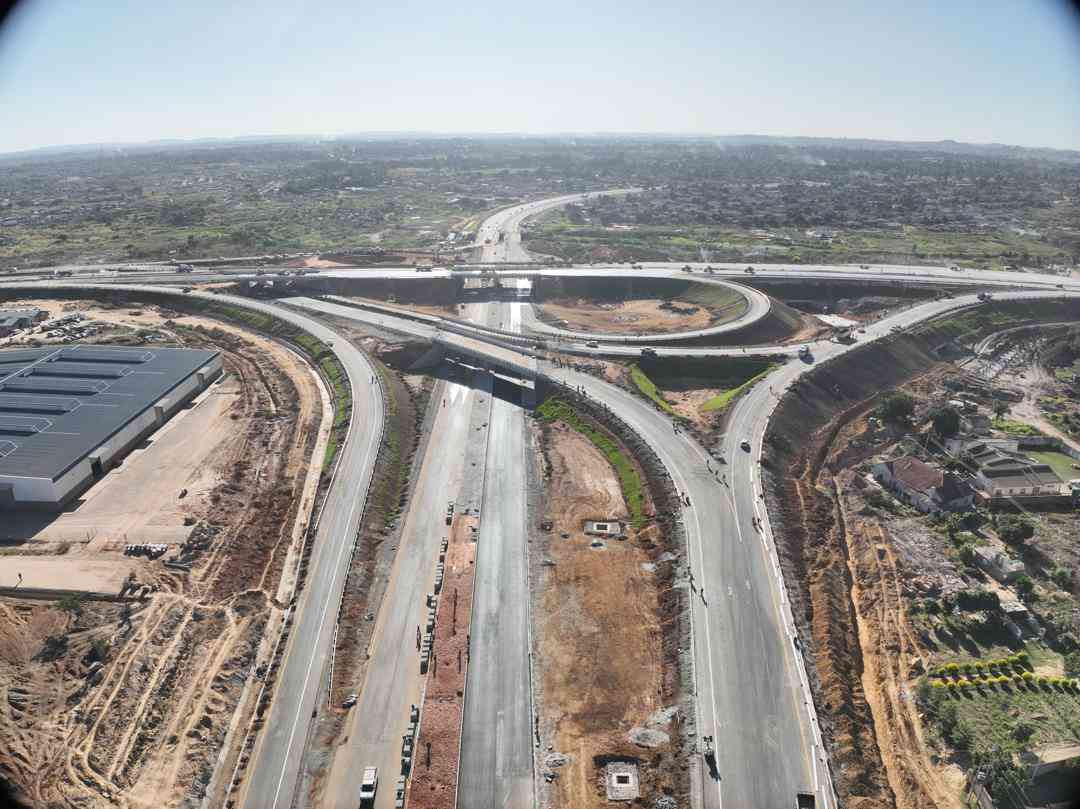
Zimbabwe’s future is, quite literally, paved in the decisions it makes about its roads. The current network is a relic of the past, holding back the nation’s potential at every turn. Modernizing it is a profound investment in safety, unity, and shared prosperity. It is the concrete foundation upon which a vibrant, connected, and competitive Zimbabwe can be built. The journey of a thousand miles begins with a single step—and for Zimbabwe, that step must be onto a well-constructed, modern road leading firmly into the future.
—Matt Gwinta, B1Daily





Leave a comment