—Sakya Mahar, B1Daily
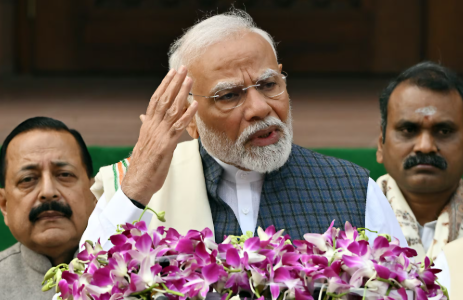
Prime Minister Narendra Modi’s recent visit to Dera Sachkhand Ballan in Punjab—a major spiritual centre for the Ravidassia community—and the awarding of a Padma Shri to its leader may signal political outreach to Dalit voters, but such gestures alone cannot dismantle longstanding economic and social discrimination. Modi’s attendance at the Guru Ravidass Jayanti event and the honour given to the Dera chief are being interpreted as efforts to engage with the Dalit community in one of India’s states with a high Scheduled Caste population. However, political signalling—whether through visits, awards, or ceremonial recognition—is no substitute for systemic economic empowerment and targeted financial policy to address structural inequality.
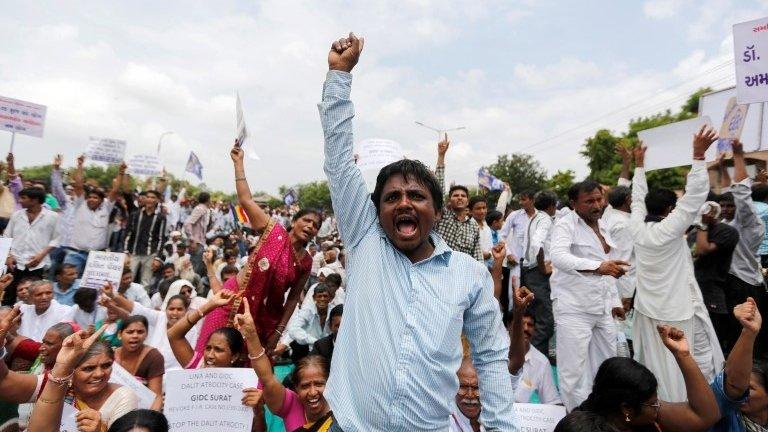
Symbolic outreach has some place in acknowledging cultural heritage and historical figures like Guru Ravidass, who championed equality. But gestures such as honours or ceremonial visits do little to change the material conditions that Dalits continue to face. The caste system has left deep economic scars: Dalits are more likely to work in low-paid or informal jobs, have less access to quality education, experience lower rates of land ownership, and face barriers to capital and opportunity. Structural discrimination has translated into measurable economic disparities in wages, employment, wealth accumulation, and access to financial services.
The government often cites broad pro-poor schemes and poverty reduction figures, highlighting initiatives like housing programs and collateral-free loans. Yet generalized welfare benefits do not equal targeted financial justice. Many Dalit households still lack access to capital for business development, dependable savings mechanisms, and financial security that allows them to break the cycle of generational poverty.
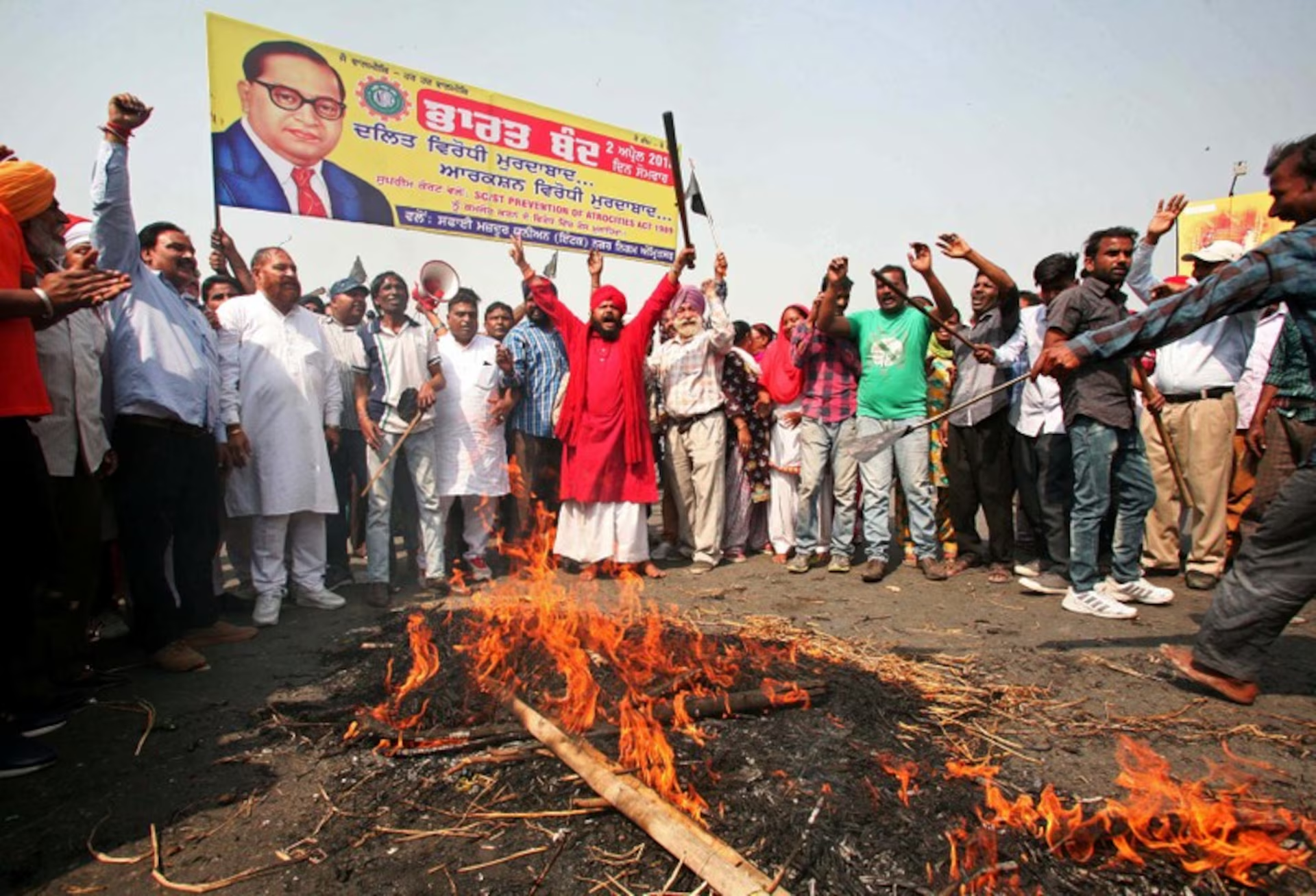
A financial policy designed specifically to address Dalit discrimination would go beyond inclusion in generic schemes. It could include direct capital access for entrepreneurs and cooperatives, scholarships and mentorship funds tied to measurable educational outcomes, long-term wealth creation initiatives such as community banking and equity participation, enforcement and expansion of land and property rights, and independent audits to ensure accountability and measurable impact. These policies would target economic disparities at their root, not just their symptoms.
While political outreach may signal recognition of Dalit communities’ electoral weight, particularly in regions with historically influential Dalit populations, transformational economic policy has a much deeper and lasting impact than political gestures can achieve. Real change requires moving beyond photo opportunities and cultural honours to structured, well-funded financial interventions that enable Dalits not merely to survive but to thrive economically and socially. Economic justice can break cycles of caste discrimination far more effectively than awards and ceremonial gestures.
Prime Minister Modi’s leadership has been marked by ambitious policy agendas and broad claims of poverty reduction. But when it comes to caste-based discrimination, especially against Dalits, symbolic outreach must be matched with substantive financial strategy. Visiting a dera or recognising cultural figures acknowledges heritage, but meaningfully uplifting a community demands targeted financial commitment—a plan that bridges the gap between symbolic recognition and economic reality. Only such action can begin to dismantle the entrenched inequities that continue to define the lived experience of Dalits across India.
—Sakya Mahar, B1Daily





Leave a comment