—Vanessa Edwards, B1Daily
Minnesota did not grind to a halt by accident. It stopped itself on purpose. In an extraordinary show of collective defiance, much of the state shut down as workers stayed home, businesses locked their doors, schools canceled classes, and residents refused to spend money, all in protest of Immigration and Customs Enforcement operations that many see as violent, unaccountable, and terrorizing entire communities.
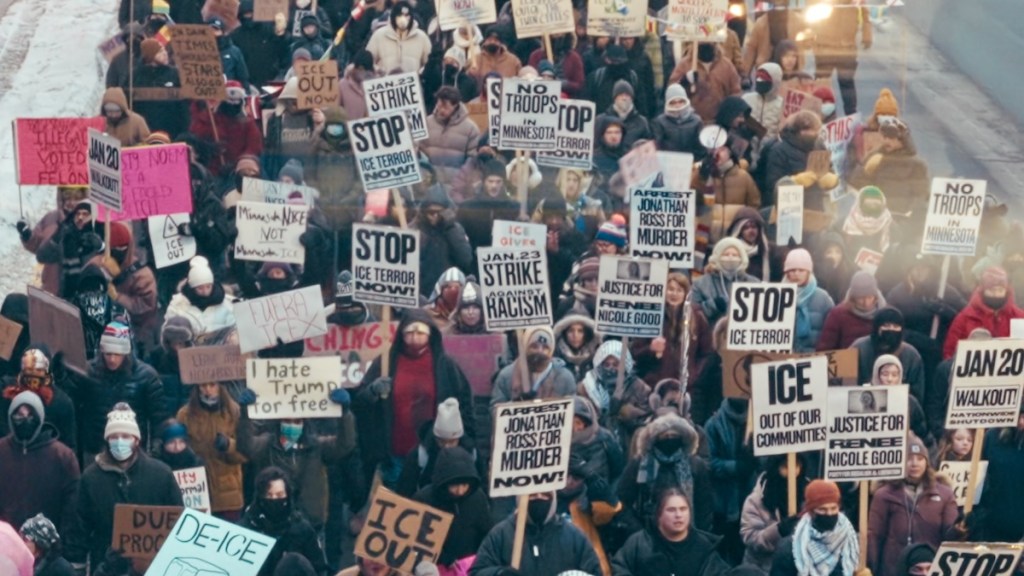
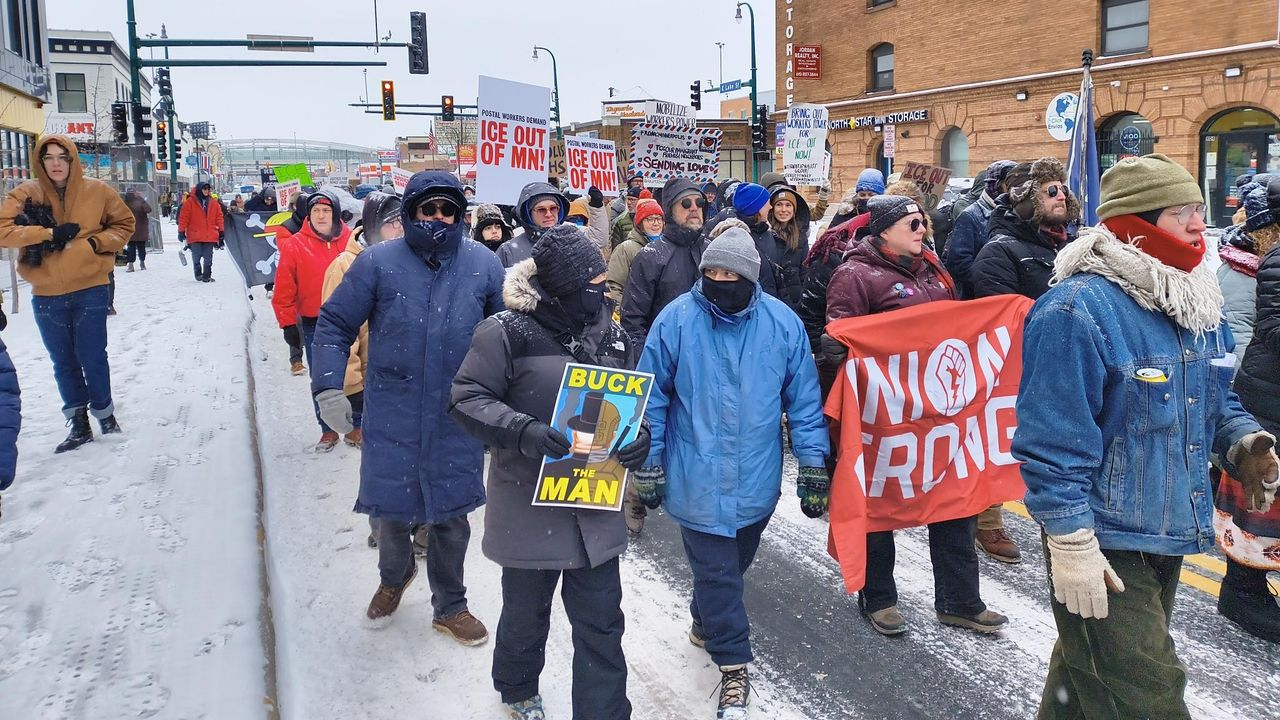
What unfolded was an economic blackout, a deliberate disruption of daily life meant to send a message that could not be ignored. From Minneapolis and St. Paul to smaller towns across the state, the instruction was simple and uncompromising: no work, no school, no shopping. The point was not symbolism. The point was pressure. If the federal government insists on treating immigrant communities as expendable, Minnesotans responded by making the state itself temporarily unavailable.

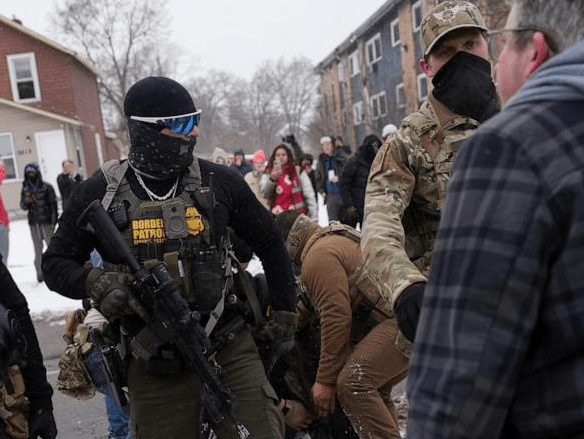
The anger fueling the shutdown has been building for weeks. Recent ICE actions, including aggressive raids and the fatal shooting of an unarmed woman by a federal officer, shattered any remaining trust between immigrant communities and federal authorities. Families have been left afraid to go to work, to send their children to school, or to answer the door. For many Minnesotans, this was not an abstract policy debate but a daily reality of fear imposed by an agency operating with near-total impunity.
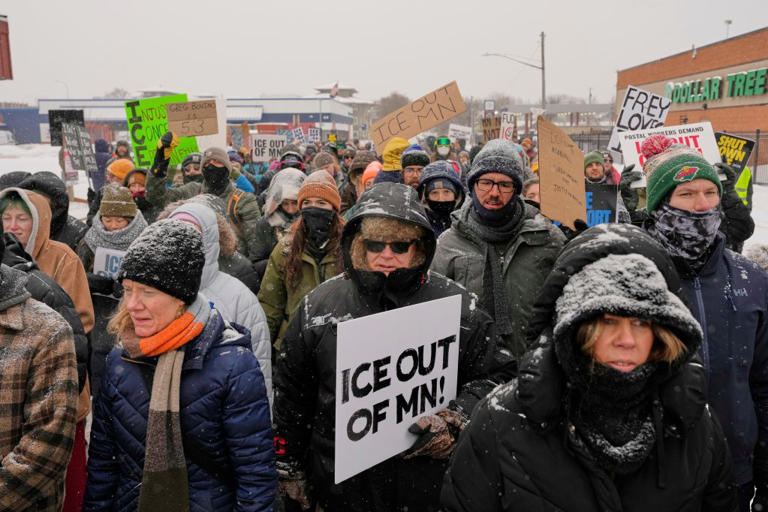
The protest spilled into the streets despite brutal winter conditions. Marchers packed downtown corridors, holding signs, chanting, and refusing to be invisible. At Minneapolis–Saint Paul International Airport, clergy members placed themselves directly in the path of normal operations, resulting in mass arrests that underscored the seriousness of the moment. Faith leaders, labor organizers, educators, and service workers stood side by side, framing the shutdown as a moral emergency rather than a political stunt.
Small businesses played a central role. Handwritten signs appeared in windows explaining why shops were closed, often citing solidarity with immigrant workers and neighbors. These closures were not cost-free. For many owners, shutting down for a day meant losing income they could not easily replace. They did it anyway. That choice revealed how deeply the issue has cut into the social fabric of the state.
Critics rushed to condemn the blackout as disruptive or irresponsible, arguing that it punished ordinary people more than policymakers. But that critique misses the point entirely. Disruption was the message. The shutdown forced a confrontation with the reality that immigrant labor and immigrant lives are not peripheral to Minnesota’s economy or culture. They are foundational. When those communities are targeted, the entire system feels it.
State and local officials attempted to strike a careful balance, criticizing the federal enforcement surge while urging calm. Federal authorities, for their part, defended their actions and dismissed the protests as overreaction. That disconnect only sharpened public outrage. For many Minnesotans, the shutdown was a declaration that silence and normalcy are no longer acceptable responses to state-sanctioned harm.
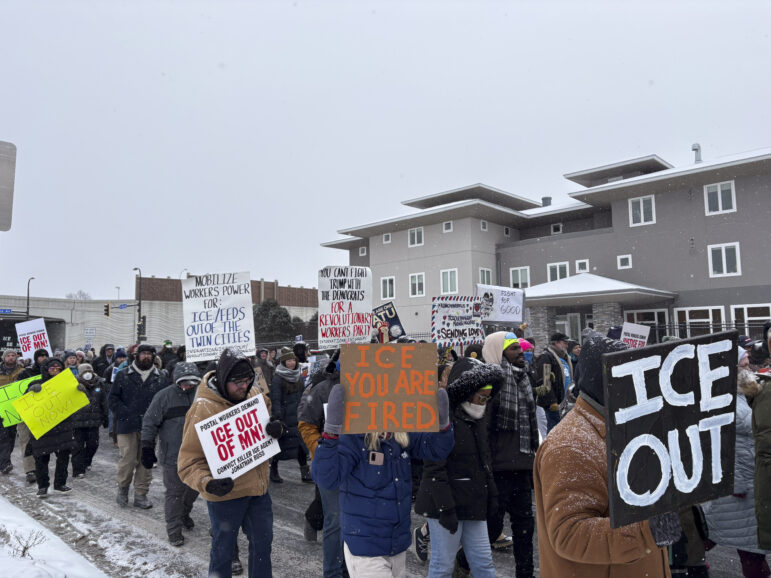
Whether this moment leads to policy change remains uncertain. What is clear is that Minnesota crossed a threshold. The decision to collectively pause the state’s economic life marked a rare level of solidarity and escalation. It signaled that opposition to ICE is no longer confined to rallies or social media statements, but has entered a phase where people are willing to withhold their labor, their money, and their compliance.
For one day, Minnesota chose conscience over convenience. The question now is whether those in power will listen before the next shutdown lasts even longer.
—Vanessa Edwards, B1Daily



 B1Daily
Leave a comment