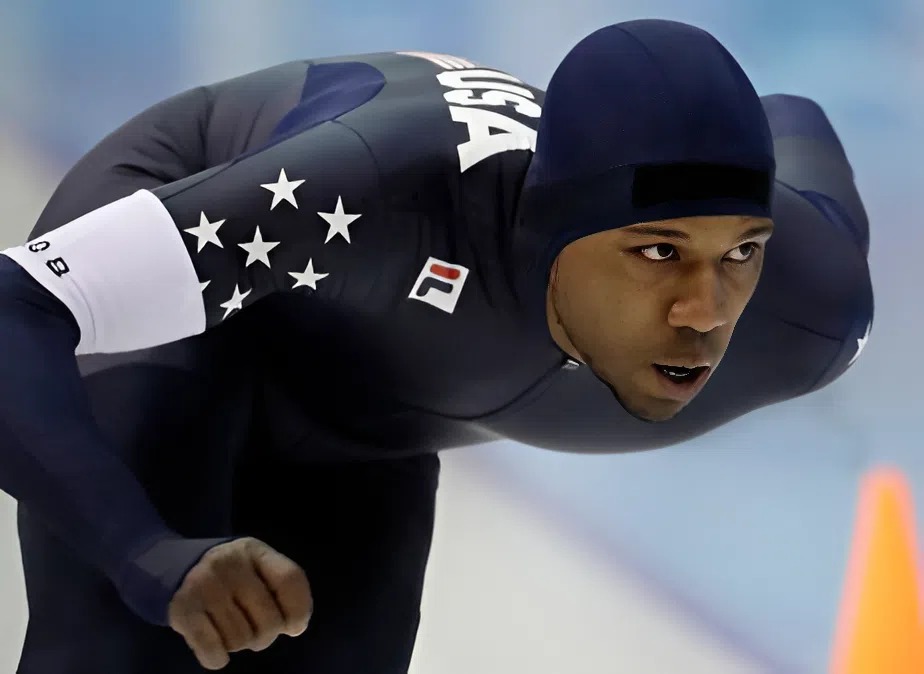
For decades, winter sports have been arenas of rigid racial disparities. Ice skating rinks, alpine slopes, and bobsled tracks have historically lacked significant representation from Black athletes; a reflection of systemic barriers ranging from access to training facilities to economic hurdles. Yet heading into the 2026 Winter Olympics in Milan and Cortina, Italy, Black athletes from the United States are making powerful strides, garnering world-stage opportunities, redrawing “traditional” winter sports narratives, and inspiring future generations.
Underrepresentation and Barriers in Winter Sports
Historically, winter sports have seen minimal participation by Black athletes compared with summer sports. Factors include:
- High costs for gear, coaching, and travel for sports like skiing and skating.
- Limited access to facilities (ice rinks, ski hills) in many Black communities.
- Cultural perception that winter sports are not spaces where Black athletes belong.
These factors have contributed to a long absence of widespread Black participation or visibility in sports traditionally dominated by white athletes.
Pioneers and Trailblazers: A Legacy of Impact
Despite barriers, Black athletes have made history in winter sports over the decades. Examples include:
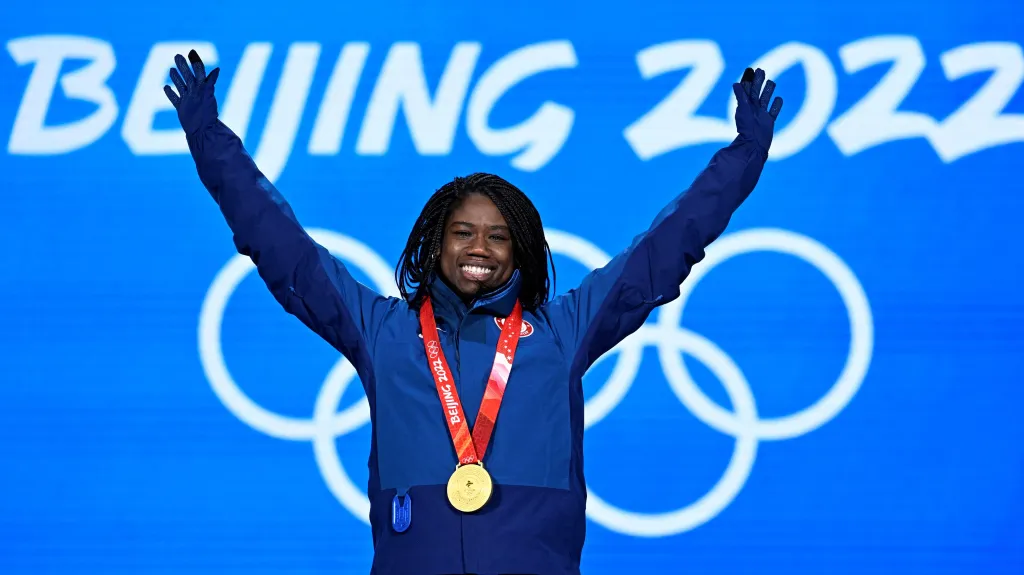
- Erin Jackson, the first Black woman to win a Winter Olympic gold in an individual event (500 m speed skating at the 2022 Beijing Olympics). Her success has become a rallying point for greater Black visibility in winter athletics. (Women’s Health)
- Past pioneers, like Mabel Fairbanks, Debi Thomas and others featured in retrospectives on changing Winter Olympic history; have laid groundwork by breaking through racial barriers and inspiring others to follow.
These athletes not only succeeded competitively but also helped challenge stereotypes about who can excel on ice or snow.
2026 Winter Olympics: A Growing and Historic Presence
With the official Team USA roster for the 2026 Winter Games now public, the landscape shows notable progress:
Historic Firsts and Black Representation
- Laila Edwards — At just 22(her birthday was a few days ago on 1/25/2026), Edwards will make history as the first Black woman to play ice hockey for Team USA at the Winter Olympics, breaking barriers in one of the sport’s least diverse disciplines.
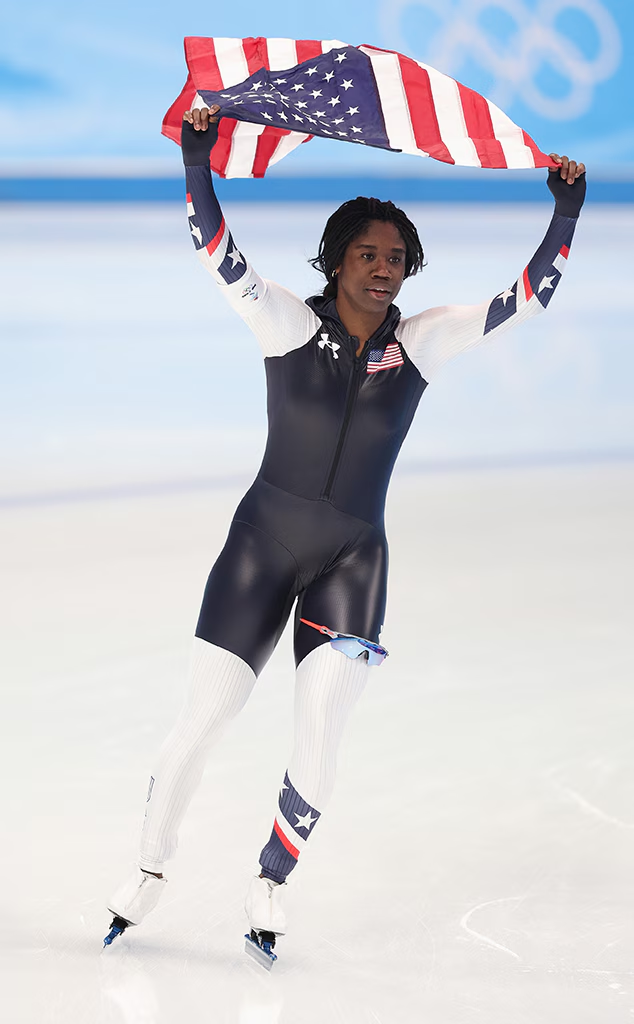
- Erin Jackson returns to the Games as a defending Olympic champion and one of the most prominent Black athletes on the team, seeking new success in speed skating.
Enduring Legacy and Veteran Leadership
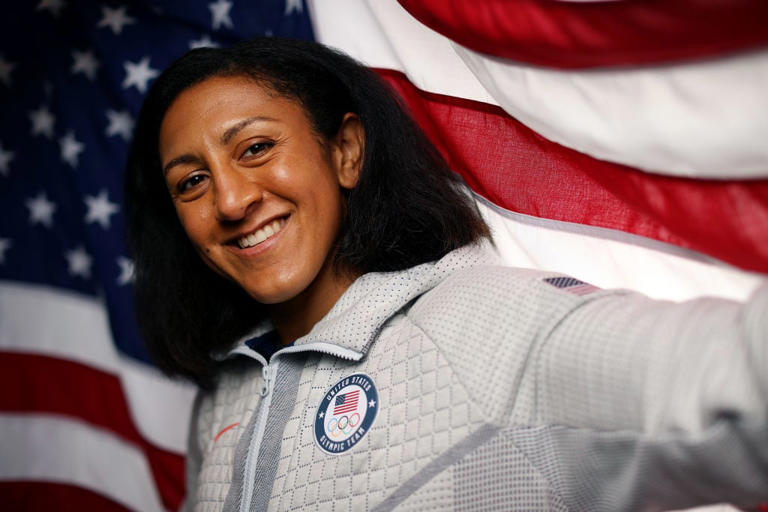
- Elana Meyers Taylor, one of the most decorated Black bobsledders in history, is competing in her fifth consecutive Winter Olympics, emblematic of both longevity and elite performance in a sport where Black athletes have found more established opportunities.
Broader Team Success
- Team USA’s 232-athlete roster mixes seasoned champions with rising stars across disciplines; from skiing and snowboarding to speed skating and ice hockey; reflecting a diversified American winter sports contingent.
More Black Athletes, More Visibility, More Inspiration
The rising presence of Black athletes in winter sports carries a ripple effect:
- Inspiration for youth — Seeing athletes who look like them compete on the Olympic stage encourages young Black athletes to pursue sports once seen as inaccessible.
- Shifting perceptions — Media visibility of Black excellence in winter sports challenges lingering stereotypes about who belongs on snow and ice.
- Pathway expansion — Success stories such as Jackson’s and Edwards’s help justify and expand investment in programs serving underrepresented athletes.
Looking Forward
While challenges remain, including systemic access and equitable funding, the strides made by Black athletes in the lead-up to the 2026 Winter Olympics reflect meaningful progress in diversifying winter sports.
Their stories of perseverance and achievement are helping to redefine winter athletics in the U.S. and abroad, ensuring that the Olympic ice and snow are spaces where talent is recognized, regardless of background.



 B1Daily
Leave a comment