—Kerry Hill, B1Daily
A controversial push in Louisiana is turning heads and tightening jaws across the country, as lawmakers advance legislation that critics say effectively forces homeless individuals into unpaid labor if they cannot comply with court-ordered programs tied to criminal charges.
What supporters frame as “rehabilitation” is being blasted by opponents as something far older and far uglier in spirit.
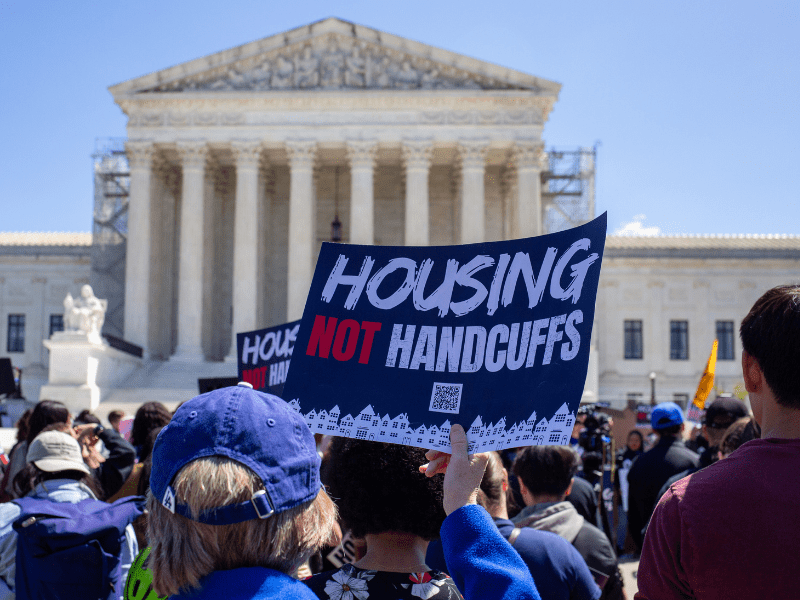
At the center of the storm is a broader effort to criminalize homelessness under the banner of public order. A proposed measure would make “unauthorized camping” a crime, allowing courts to funnel homeless individuals into structured intervention programs rather than traditional jail sentences. On paper, it sounds like diversion. In practice, critics say it’s coercion dressed up in policy language.
Because here’s where the story sharpens.
According to advocacy groups tracking the bill, individuals swept into the system could be forced into treatment programs and required to pay for them. If they can’t pay, the fallback isn’t forgiveness. It’s labor. Unpaid labor to work off the cost, effectively transforming poverty into a pipeline of compulsory work.
That detail has detonated the loudest backlash.
Critics argue the policy resurrects echoes of America’s most controversial labor systems, where the line between punishment and exploitation blurs into something uncomfortably familiar. The concern isn’t just philosophical, it’s structural. By tying criminal penalties to a person’s housing status, the law risks creating what opponents call a “two-tiered justice system,” where being homeless becomes its own multiplier of punishment.
Supporters of the bill push back hard on that characterization. They argue the intent is not punishment, but intervention, pointing to provisions that allow charges to be dismissed if individuals complete the program successfully. In their telling, this is about connecting people to services, reducing street encampments, and addressing underlying issues like addiction and mental health.
But even that defense struggles to quiet the deeper tension.
Because the core question isn’t whether services are needed. It’s whether the state should force those services under threat of jail, and then attach a labor requirement if someone can’t afford the price tag. For many critics, that’s not rehabilitation. That’s leverage.
The timing adds another layer of friction. Cities across the country are grappling with visible homelessness, rising housing costs, and political pressure to “clean up” public spaces. Louisiana’s approach, however, stands out for how aggressively it ties criminal law to economic status. Rather than expanding housing or direct aid, the bill leans on enforcement mechanisms that critics say target the symptom while sidestepping the cause.
And history lingers in the background like a shadow that won’t quite leave the room. Louisiana, like much of the South, carries a long and complicated relationship with prison labor and court-mandated work. For opponents, this bill doesn’t feel like a new idea. It feels like an old system with updated branding.
As the legislation moves forward, the fight over its meaning is only intensifying. Is this a pragmatic attempt to address a growing crisis, or a policy that punishes people for being poor in the most literal way possible?
Either way, the message embedded in the proposal is stark: in Louisiana, homelessness may no longer just be a condition. It could become a crime with a price tag, and if you can’t pay, your labor might.
—Kerry Hill, B1Daily






Leave a comment