—Sylvester Loving, B1Daily
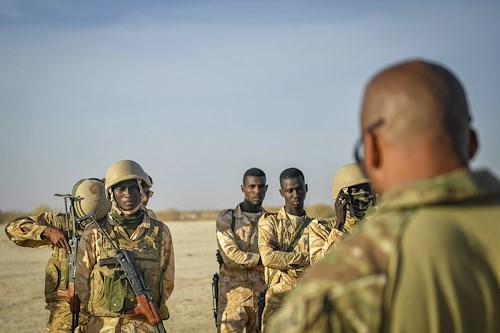
The Sahel doesn’t get the luxury of boredom. When the world looks away, it doesn’t settle, it shifts. Niger now sits at the center of that shift again, pulled into a familiar pattern: external powers circling, local regimes recalibrating, and security aid becoming both lifeline and leverage.
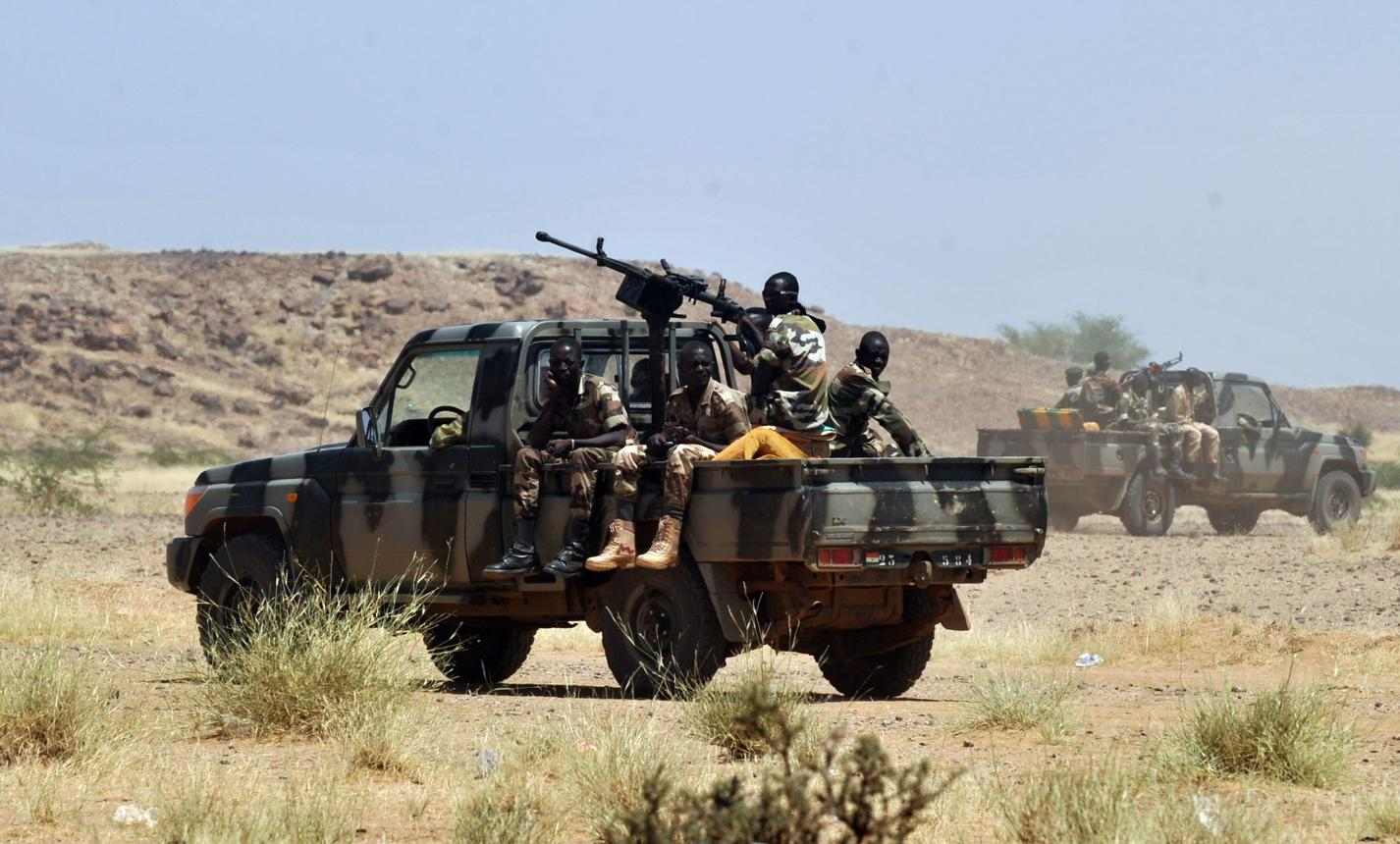
According to a Firstpost Africa report, the United States has delivered a new package of military assistance to Niger, including uniforms, medical supplies, and protective equipment, as geopolitical competition with Russia intensifies across the Sahel. On paper, it’s modest aid. In practice, it’s a signal flare.
Niger is not just receiving supplies; it is being re-entered into a contested strategic map.
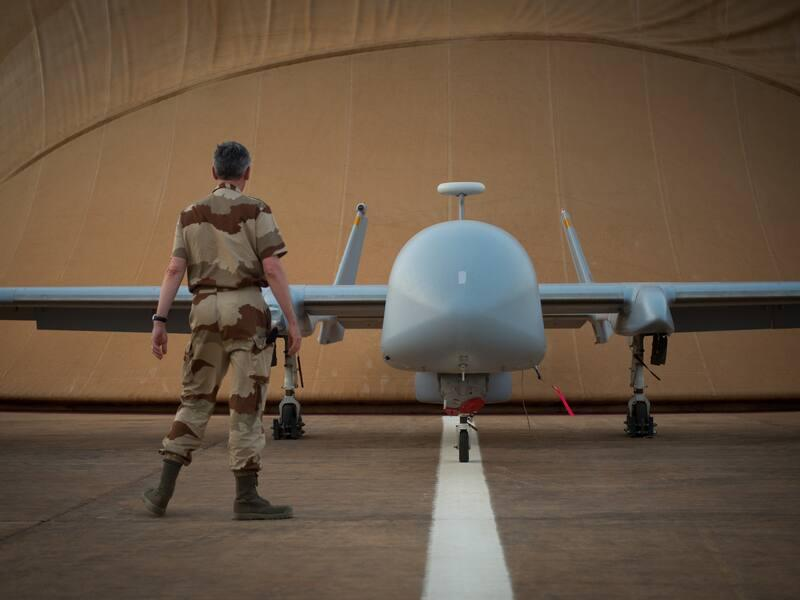
The timing matters. After the 2023 coup, Niger’s military government ruptured long-standing security cooperation with Washington. By 2024, U.S. forces were ordered out, ending access to critical drone infrastructure that had formed a backbone of counterterrorism surveillance across the region. What followed was not stability but vacuum dynamics, exactly the kind that insurgent networks and competing foreign actors tend to exploit.
Into that vacuum stepped Russia, expanding its influence through security partnerships with military governments in Mali, Burkina Faso, and Niger. The Sahel became less a cooperative counterterrorism zone and more a fragmented arena of competing security patrons, each offering different tradeoffs: legitimacy, equipment, training, political backing, or simply survival assistance.
The new U.S. aid package does not reverse that trend. It adjusts to it.
What we are seeing is not a return to the large-scale Western military footprint of the 2010s, but something more restrained and arguably more calculated. Light logistical support. Targeted cooperation. Selective engagement. A kind of geopolitical “touch-and-go” strategy designed to remain present without becoming entrenched.
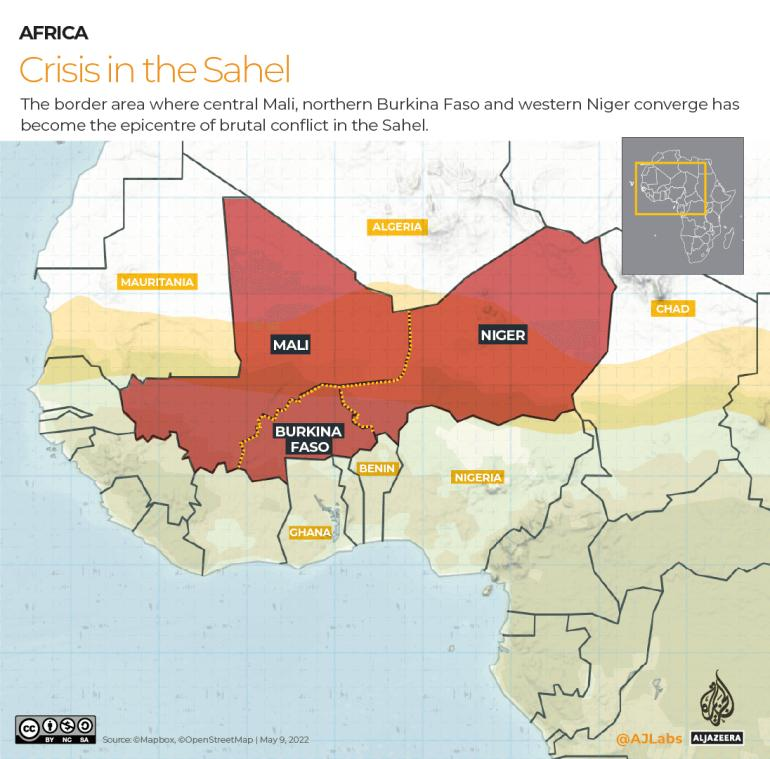
This matters because the Sahel is not a symbolic theater. It is one of the most volatile security corridors in the world, where jihadist insurgencies, fragile state institutions, and cross-border trafficking networks overlap and reinforce each other. Niger, sitting at the geographic center of this belt, functions as both barrier and bridge. When it destabilizes, the effects ripple outward into Nigeria, Mali, Burkina Faso, and beyond.
But beneath the security narrative is something larger: the reordering of influence in Africa itself.
Russia’s expanding presence is not simply military, it is political branding in regions disillusioned with Western intervention cycles. The United States, meanwhile, is attempting to recalibrate after years of costly deployments and uneven outcomes. Neither side is absent. Neither side is dominant. The result is not a clean pivot, but a crowded field of partial commitments.
In that sense, Niger is not an isolated case. It is a snapshot of a broader transformation: the era of uncontested influence in the Sahel is over, replaced by a more fragmented competition where states like Niger are not just recipients of aid, but active navigators of competing power centers.
The uncomfortable truth is that “aid” in this environment is never just aid. It is presence. It is signaling. It is leverage without occupation.
And as the Sahel continues to churn, Niger’s role will likely grow less about choosing a partner and more about balancing them, walking a narrow line between competing security architectures while its internal challenges remain unresolved.
The world may frame this as geopolitics. On the ground, it feels more like pressure that never fully lifts, only shifts direction.
—Sylvester Loving, B1Daily



Leave a comment