—Kel McKnight, B1Daily
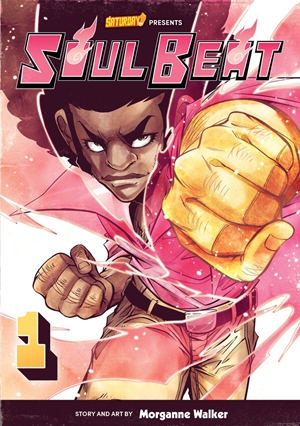
The modern indie comics scene is filled with stories inspired by manga, superheroes, and fantasy, but few manage to blend Black culture, spiritual mythology, and old-school action as confidently as Soul Beat. Created by Morganne Walker and published through Saturday AM, the series stands out as a love letter to classic shonen storytelling while proudly embracing a distinctly Black identity.

At the center of the story is Dante Alfonse, a retired professional boxer with a love for 1970s soul culture and a habit of standing up for people who can’t defend themselves. That sense of justice pulls him into a supernatural conflict after he attempts to save his friend and mentor from an encounter with the Devil himself. Suddenly, Dante finds himself caught in a centuries-old war between Heaven and Hell while discovering spiritual powers of his own.
What makes Soul Beat feel different from many modern comics is that it wears its influences openly. The series carries the kinetic energy of classic shonen manga, but instead of drawing from familiar anime archetypes, it builds its foundation around Black cultural aesthetics, soul music influences, urban communities, and a protagonist who feels grounded in a lived experience rarely seen in mainstream action comics.
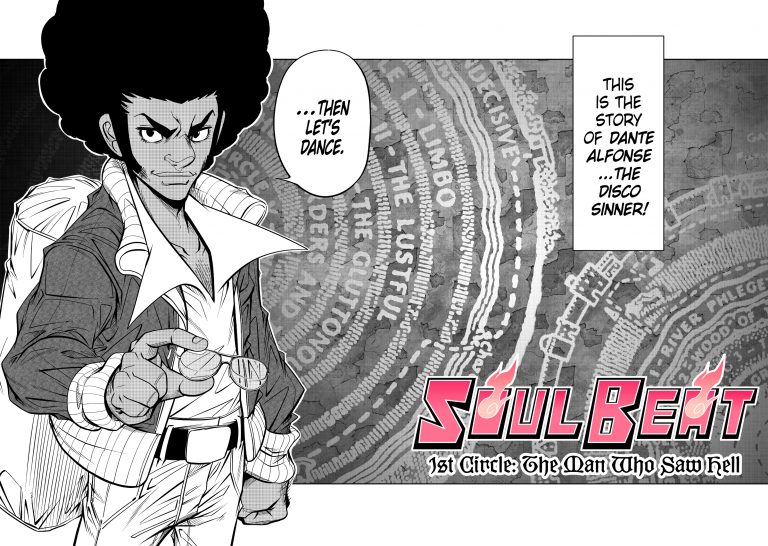
Dante isn’t a reluctant hero. He isn’t waiting for destiny to choose him. He’s already a fighter before the supernatural elements arrive. That gives Soul Beat a unique dynamic where the story is less about discovering courage and more about learning responsibility, redemption, and what it truly means to fight for something bigger than yourself. The series’ recurring themes of consequence, faith, morality, and personal growth elevate it beyond simple good-versus-evil storytelling.
The book also represents something larger happening within the comics industry. For years, Black creators and diverse independent publishers have been building alternatives to traditional comic publishing pipelines. Saturday AM has become one of the most visible examples of that movement, creating manga-inspired stories featuring heroes and creators from backgrounds often overlooked by mainstream publishers. Soul Beat is a prime example of how successful that approach can be.
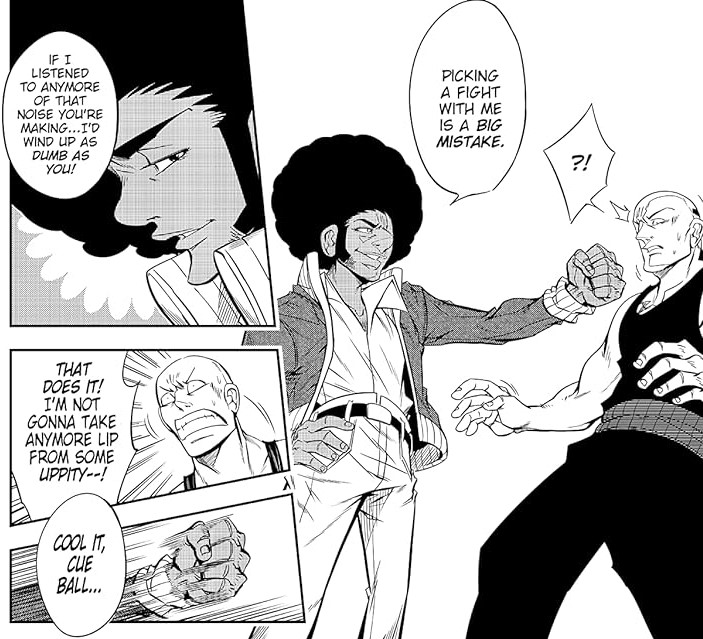
Visually, the series embraces the speed and excitement of action manga while maintaining its own identity. The fights hit hard, the supernatural imagery is striking, and the character designs feel fresh rather than derivative. It’s easy to see why readers have compared the comic’s energy to the kind of action-packed programming that once dominated Toonami-era television. Community reviews have praised its fast pace, humor, and likable cast, with many readers highlighting Dante as an easy protagonist to root for.

As Black indie comics continue gaining momentum, Soul Beat feels positioned to become one of the standout examples of what creator-driven storytelling can achieve. It combines the accessibility of shonen manga, the emotional stakes of supernatural fantasy, and the cultural authenticity of a comic that knows exactly what it wants to be.
In a market crowded with reboots and familiar franchises, Soul Beat punches its own lane. And much like its hero, it isn’t asking for permission to be great.
—Kel McKnight, B1Daily





Leave a comment