—Kerry Hill, B1Daily
For many Black Americans, the viral video out of Shelby, North Carolina was painfully familiar.
City of Shelby, NC
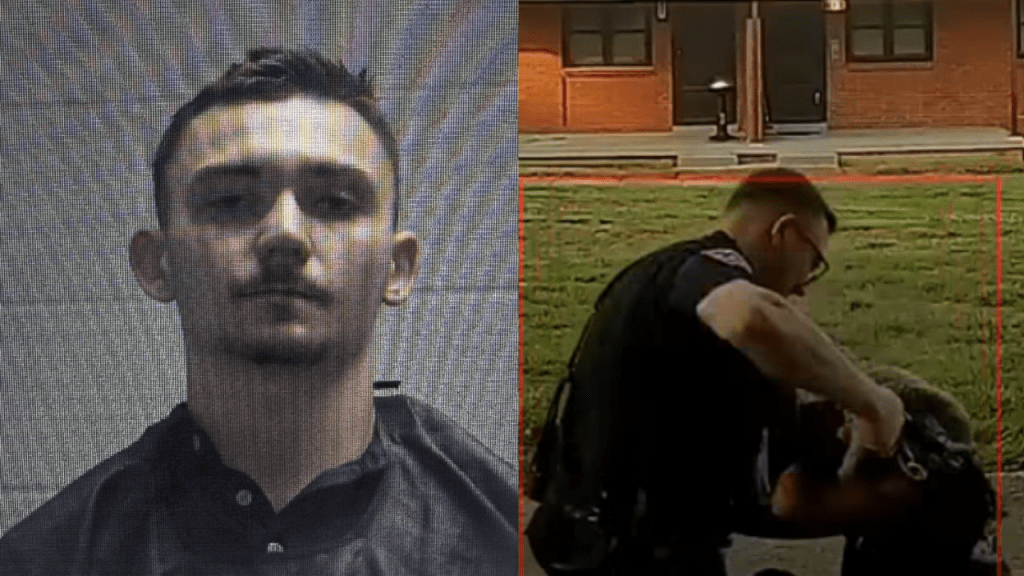
Footage showing former police officer Karson Hyder repeatedly punching Cherrie Moore during an arrest has reignited long-standing concerns about excessive force, accountability, and the treatment of vulnerable citizens during police encounters. While the officer has since been fired and criminally charged, the incident has once again forced communities to ask why videos of violent police interactions continue to surface in the first place.
The footage, captured on a residential camera, shows Moore being taken to the ground before multiple punches were delivered. According to investigators, the encounter left her with serious injuries, including a possible broken nose. Reports also indicate Moore repeatedly told officers she was experiencing mental health difficulties and was not taking her medication at the time.
For Black advocates and civil rights organizations, the case represents more than an isolated incident. It reflects broader concerns that aggressive policing tactics continue to disproportionately impact Black communities, particularly when individuals are experiencing mental health crises. Critics argue that situations requiring de-escalation too often become physical confrontations, increasing the risk of injury and eroding public trust.
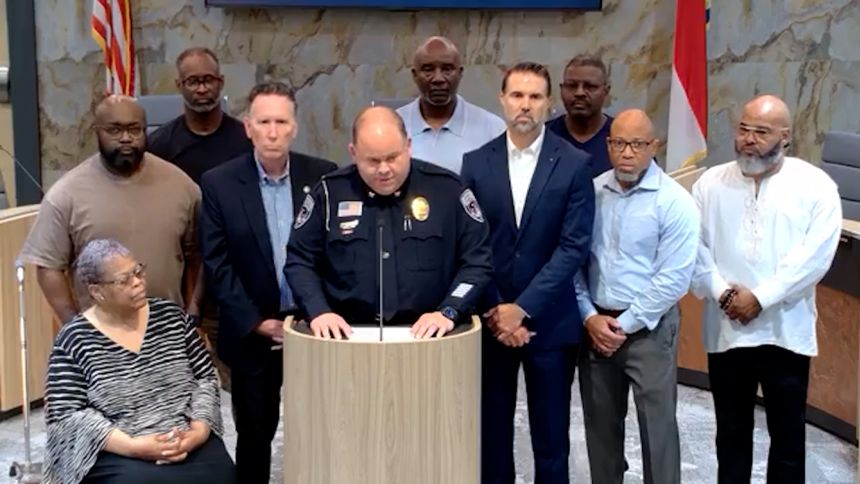
The swift firing of Hyder and the decision to pursue criminal charges have been welcomed by many activists who have spent years arguing that accountability should not depend on whether a camera was present. They point to numerous past cases where misconduct allegations failed to result in discipline until video evidence emerged.
The incident also highlights an uncomfortable reality: trust between law enforcement and many Black communities remains fragile. Every viral video becomes part of a larger national conversation stretching back decades, one shaped by high-profile cases, demands for reform, and ongoing debates over how police should interact with citizens during moments of crisis.
As the criminal case moves forward, community leaders are calling for more than punishment of a single officer. Many are demanding expanded de-escalation training, stronger accountability mechanisms, and greater investment in mental health response programs that can reduce the likelihood of force being used in the first place.
The question now is not simply whether one officer crossed a line. For many watching across the country, the larger question is why incidents like this continue to occur despite years of promises about reform.
—Kerry Hill, B1Daily





Leave a comment