—Matt Gwinta, B1Daily
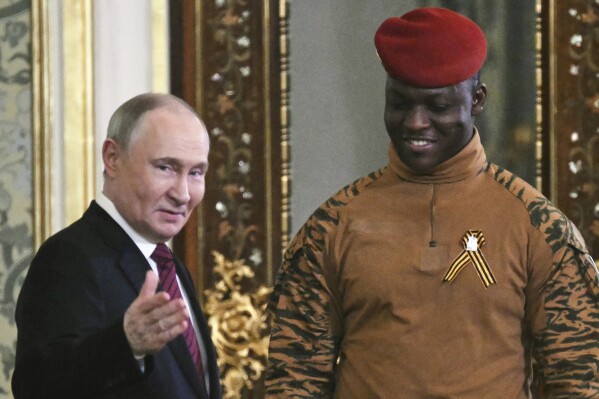
In a world where Black solidarity is often preached but rarely practiced, Burkina Faso, a West African nation celebrated for its Pan-African ideals, stands accused of an uncomfortable contradiction. Reports and firsthand accounts reveal a troubling pattern: Black Americans, arguably the wealthiest and most resourceful Black demographic globally, face bureaucratic hurdles, visa denials, and cultural resistance when attempting to engage with Burkina Faso.
A Legacy Betrayed?
Burkina Faso, under revolutionary leader Thomas Sankara, once positioned itself as a beacon for global Black unity. Sankara’s rhetoric embraced diasporic Africans as kin, yet today, the country’s policies seem to clash with that legacy.
While European expats and even non-Black foreigners navigate the system with relative ease, Black Americans, armed with capital, expertise, and a desire to invest, describe opaque visa processes, unexplained rejections, and whispers of resentment.
The Economic Paradox
Black Americans collectively wield a GDP rivaling entire African nations. Their spending power, entrepreneurial drive, and cultural influence are unmatched in the diaspora. Yet Burkina Faso, a nation desperate for foreign investment, appears to shut the door on this potential lifeline. Unlike Ghana or Senegal, which pretends to actively court Black American returnees and but deny Black investors, Burkina Faso locks its doors to Black investors, while allowing Russian and Chinese investors to flourish.
Roots of Resistance
Some speculate the exclusion stems from lingering tensions over perceived “privilege”, Black Americans are seen as “Westernized” outsiders rather than brothers. Others point to bureaucratic inertia or fear of cultural dilution. But the result is the same: a missed chance to harness diaspora resources for infrastructure, education, and tech partnerships.
A Call for Reckoning
If Burkina Faso truly aspires to Pan-African leadership, it must reconcile its rhetoric with reality. Black Americans aren’t asking for charity; they’re offering collaboration. The ball is in Ouagadougou’s court, will it cling to isolation or seize the chance to rise together?
—Matt Gwinta, B1Daily


Leave a comment