—Barrington Williams, B1Daily
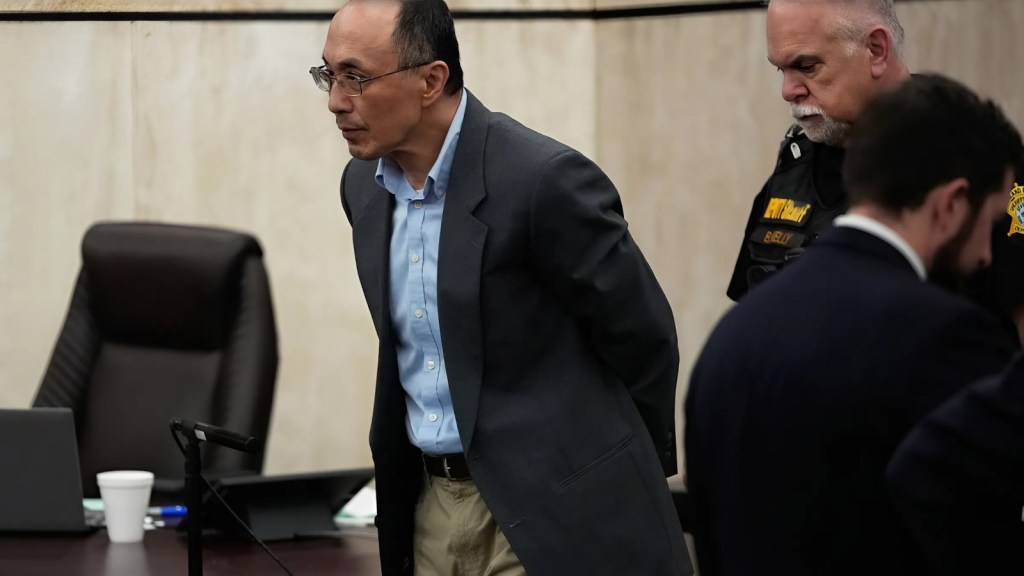
The acquittal of South Carolina convenience store owner Rick Chow in the shooting death of 14-year-old Cyrus Carmack-Belton has sparked intense public debate, not only about self-defense laws but also about the prosecution’s charging decisions.
Jurors found Chow not guilty of murder after defense attorneys argued that he believed his son was facing an imminent threat from Carmack-Belton, who allegedly had a handgun on him during the confrontation..
Under South Carolina law, deadly force can be justified when a person reasonably believes it is necessary to protect themselves or another person from death or serious bodily injury.
The prosecution argued that Chow chased the teenager after suspecting him of shoplifting bottled water and ultimately shot him in the back. Prosecutors sought a murder conviction, which required them to prove beyond a reasonable doubt that Chow acted with malice and without legal justification.
That burden proved difficult to overcome.
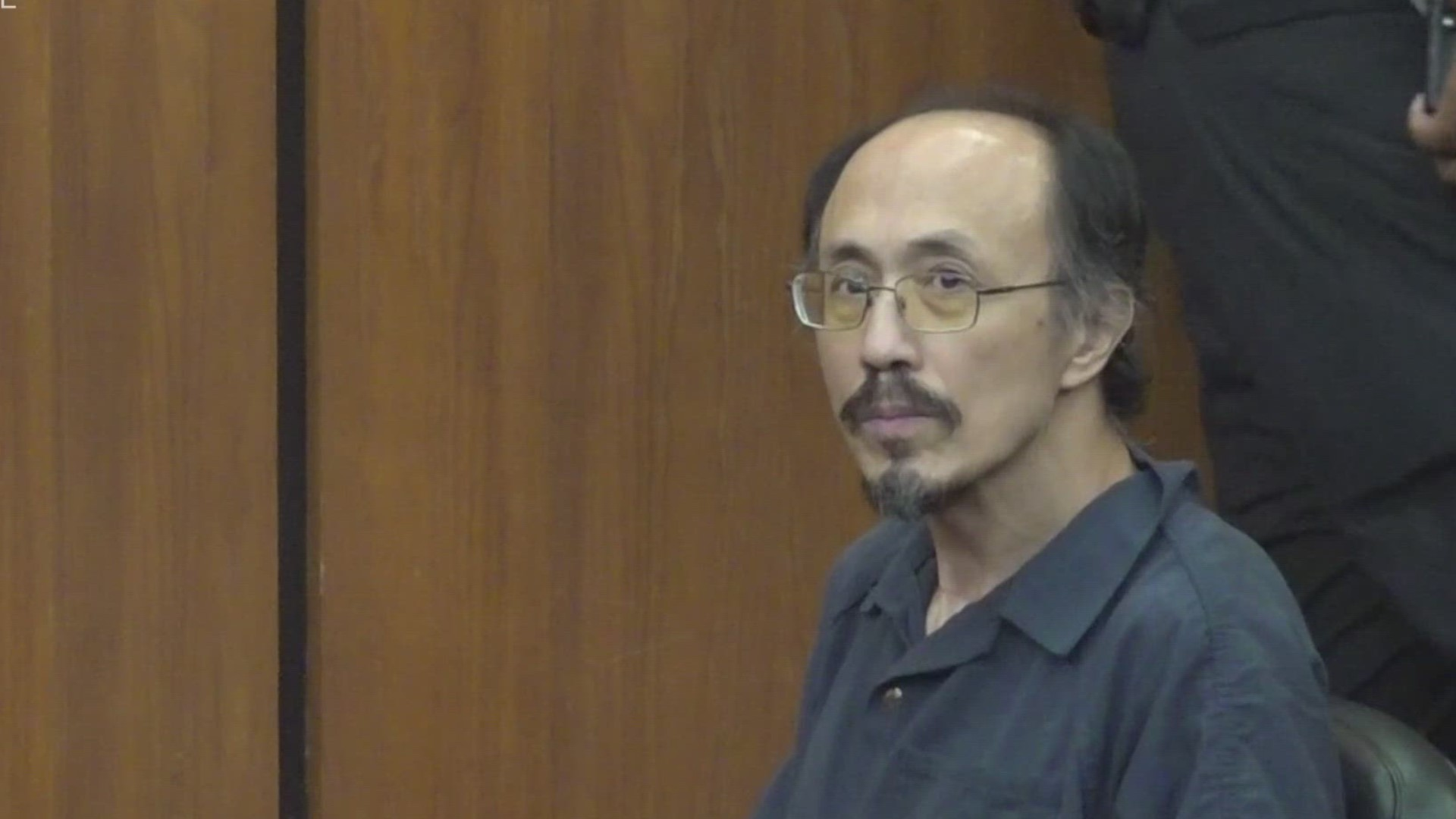
Once defense attorneys introduced evidence and testimony suggesting that Carmack-Belton may have pointed a firearm at Chow’s son, jurors were left with a critical question: Could they be certain beyond a reasonable doubt that Chow was not acting in defense of another person? The answer, according to the verdict, was no.
The outcome has led some legal observers to question whether prosecutors should have pursued a lesser charge such as voluntary manslaughter. Unlike murder, manslaughter generally does not require proof of malice and can apply in situations where a person unlawfully kills another during a heated confrontation or while acting under an unreasonable belief that deadly force was necessary.
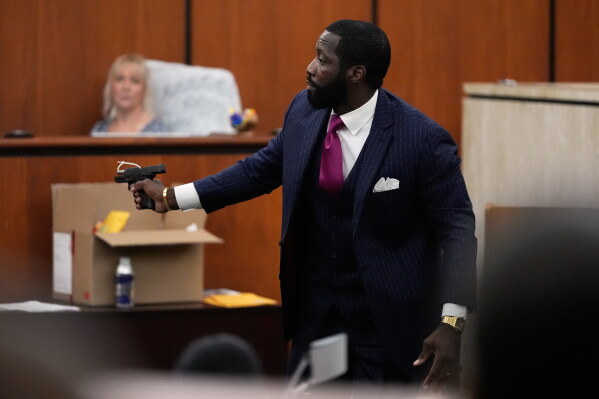
By focusing on the highest charge available, prosecutors effectively asked jurors to clear a very high legal hurdle. If even one element of the murder charge remained in doubt, acquittal became possible.
Critics of the verdict argue that Chow’s decision to pursue the teenager after the alleged shoplifting incident should have resulted in criminal accountability regardless of what occurred moments later. Supporters counter that the law required jurors to focus on the immediate circumstances surrounding the shooting itself, particularly the perceived threat to Chow’s son.
By focusing on the highest charge available, prosecutors effectively asked jurors to clear a very high legal hurdle.
The case highlights a recurring challenge in high-profile homicide prosecutions. Prosecutors must balance public demands for justice with the realities of what they can prove in court. In some cases, pursuing the most severe charge can increase the risk of a complete acquittal if jurors are unconvinced on a key legal element.
The Rick Chow case will likely be studied by attorneys and legal analysts for years to come as an example of how charging decisions can shape the outcome of a trial.
As the victim’s family explores potential civil litigation, the criminal case may be over, but the debate over justice, self-defense, and prosecutorial strategy is far from settled.
—Barrington Williams, B1Daily




Leave a comment