—Kerry Hill, B1Daily
For the longest time, internet users worried about governments censoring speech online. Today, a growing number of digital rights advocates argue that an even more powerful force may be emerging: payment processors.
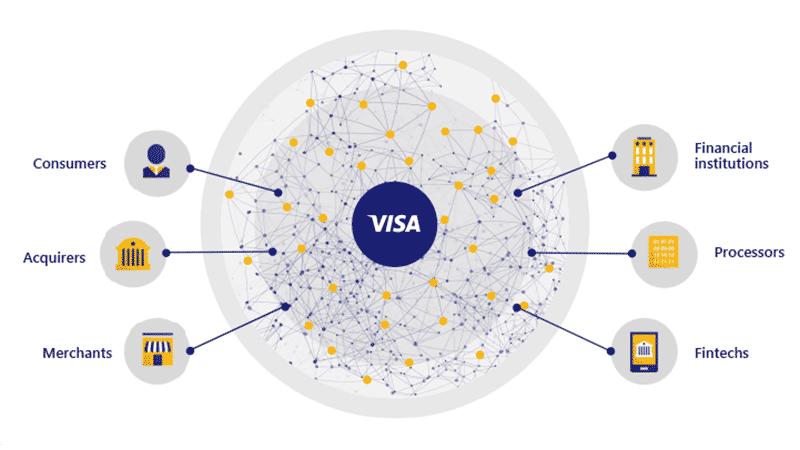
According to journalist Taylor Lorenz, companies like Visa and Mastercard are increasingly becoming the hidden gatekeepers of the modern internet. While social media platforms often receive the public attention, critics argue that financial institutions possess an even more powerful weapon. They can simply cut off the money.
The concern stems from a growing trend in which activist groups pressure payment processors to sever ties with websites, creators, platforms, and online communities they find objectionable. Once payment access disappears, many online businesses quickly become unsustainable, regardless of whether they have violated any laws.
Unlike governments, payment companies are not elected by voters. Unlike courts, they do not require trials or formal legal proceedings before making decisions. Yet their influence can effectively determine whether an online platform survives.
This phenomenon has already affected a wide range of industries. Adult content platforms, independent publishers, alternative social networks, and controversial creators have all faced pressure campaigns aimed at cutting off their access to payment systems. Critics warn that the standards used are often vague, inconsistently enforced, and subject to political pressure.
The issue extends beyond any particular ideology. While some may support financial restrictions against groups they oppose today, digital rights advocates argue that the precedent could eventually be used against anyone. If corporations gain the ability to financially blacklist legal speech, future campaigns could target political activists, journalists, minority advocacy organizations, religious groups, or independent media outlets.
Supporters of stronger payment restrictions argue that financial companies have a responsibility to prevent abuse and harmful content from profiting online. They contend that payment networks should be able to choose who they do business with and respond to public concerns.
Opponents counter that there is a critical difference between preventing illegal activity and policing lawful expression. They warn that allowing a handful of multinational corporations to determine what ideas can generate revenue creates a dangerous concentration of power.
The broader debate raises fundamental questions about the future of the internet. Is online speech truly free if access to payment systems can be withdrawn without legal due process? Should financial institutions serve as neutral infrastructure, similar to utilities, or should they act as content regulators?
As more economic activity moves online, these questions are becoming increasingly urgent. The internet was originally envisioned as a decentralized network where information could flow freely. Critics fear that if payment processors become the ultimate arbiters of acceptable content, the next era of the internet may be governed not by open access, but by corporate financial approval.
Whether one agrees with Taylor Lorenz’s concerns or not, the debate highlights a growing reality of the digital age: controlling the flow of money can be just as powerful as controlling the flow of information.
—Kerry Hill, B1Daily






Leave a comment