—Vanessa Edwards, B1Daily
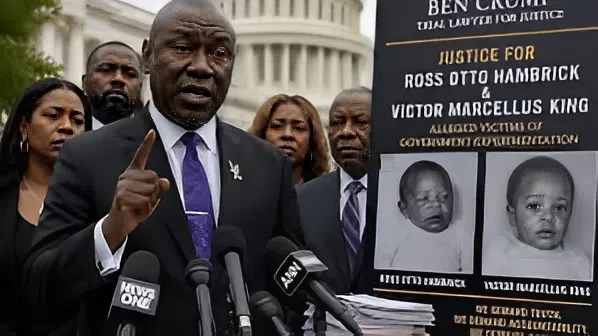
Nearly six decades after two Black infants died following participation in an experimental vaccine study, their families are demanding answers and accountability from the federal government.
The families of Ross Otto Hambrick and Victor Marcellus King have filed a lawsuit against the United States, alleging that the infants were unknowingly enrolled in a government-sponsored respiratory syncytial virus (RSV) vaccine trial during the mid-1960s without the knowledge or consent of their parents. According to the lawsuit, both children later died after developing severe respiratory illness and pneumonia.
The legal complaint alleges that researchers affiliated with the National Institutes of Health selected Black infants from low-income families to test an experimental RSV vaccine known as “Lot 100.” Attorneys for the families claim parents were never informed their children were participating in a medical experiment and were not warned about potential risks associated with the vaccine.
Civil rights attorney Ben Crump is representing the families and argues that the case reflects a disturbing chapter in America’s long history of unethical medical experimentation involving Black Americans. The lawsuit was filed under the Federal Tort Claims Act and seeks damages, accountability, and disclosure of records related to the decades-old research.
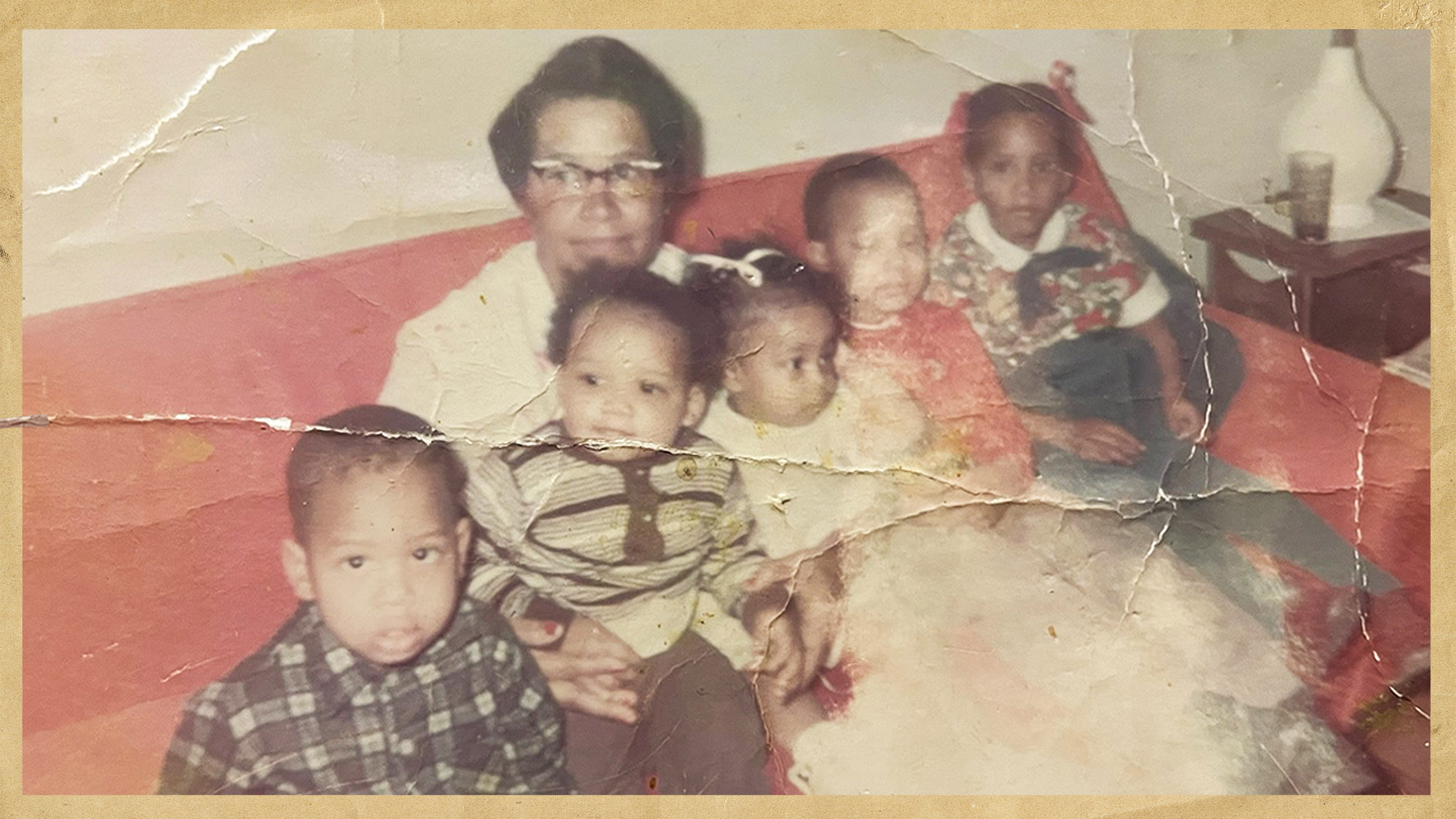
Adding to the controversy, attorneys allege that tissue samples taken from the infants after their deaths were later used in research that contributed to the development of RSV treatments and vaccines approved decades later. The families say they were never informed about the use of those samples and never received acknowledgment or compensation from the government.
The lawsuit arrives against the backdrop of a painful history that includes the infamous Tuskegee Syphilis Study and other documented cases where Black Americans were subjected to medical research without proper informed consent. Critics argue that incidents like these helped fuel generations of distrust toward public health institutions within many Black communities.
Federal officials have not yet publicly addressed the allegations in detail, and the claims remain allegations until proven in court. However, the lawsuit has already reignited debates about medical ethics, informed consent, racial disparities in healthcare, and whether justice delayed for nearly 60 years can still be considered justice at all.
For the families involved, the case is about more than money. It is about uncovering the truth behind what happened to their loved ones and forcing a reckoning with a chapter of history they say should never have been hidden in the first place.
—Vanessa Edwards, B1Daily




Leave a comment