—Barrington Williams, B1Daily
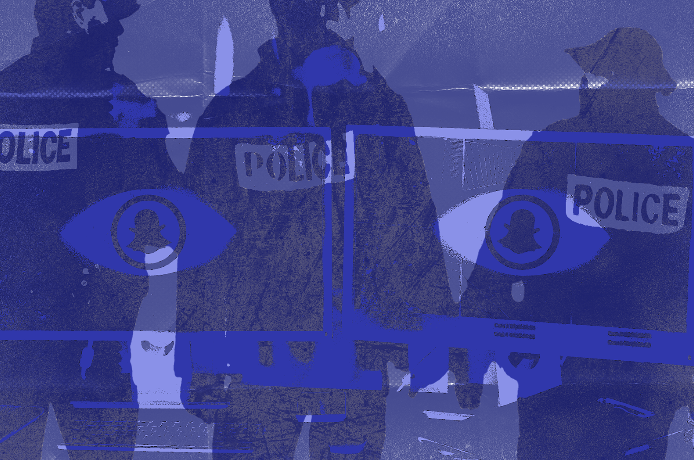
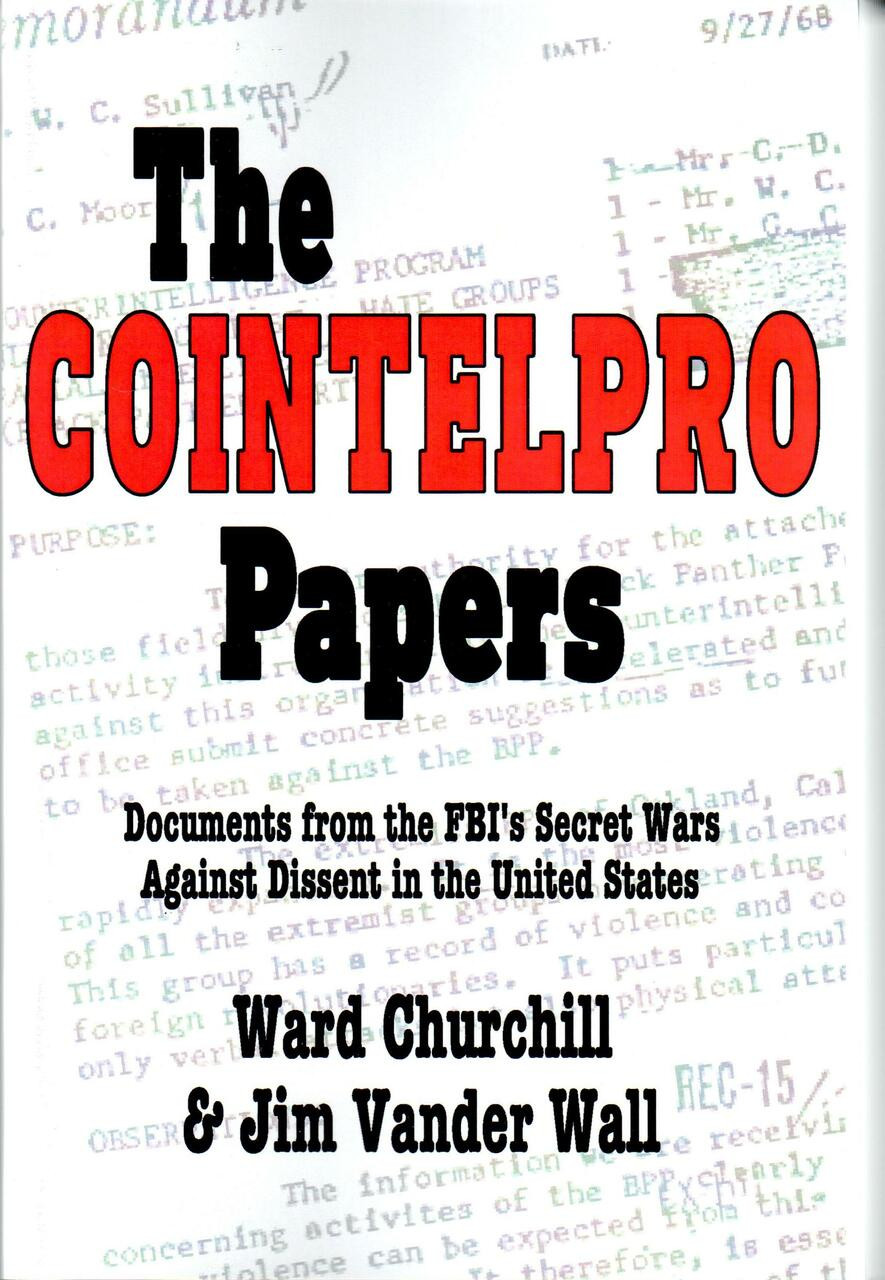
There’s a reason the word “COINTELPRO” still lands with a thud in Black political conversations. It isn’t folklore. It isn’t exaggeration. It’s documented history, stamped with FBI letterhead and exposed not by confession, but by activists who quite literally broke into an FBI office in 1971 and pulled the truth into daylight.
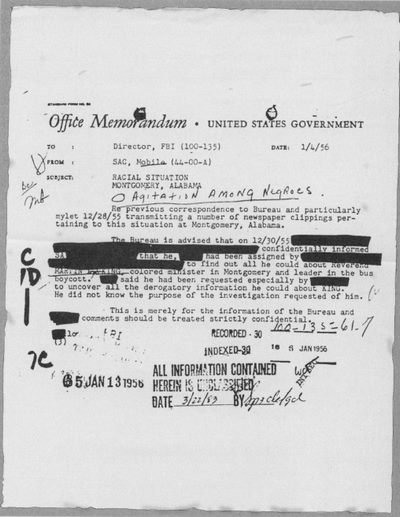
COINTELPRO was a covert program run by Federal Bureau of Investigation from the 1950s through the early 1970s, aimed at surveilling, infiltrating, discrediting, and disrupting groups the government deemed “subversive.” On paper, that included extremist threats. In practice, it disproportionately targeted Black political movements, even those that were explicitly nonviolent.
The receipts are not subtle.
Internal memos outlined strategies to “expose, disrupt, misdirect, discredit, or otherwise neutralize” Black leaders. One of the most infamous directives sought to prevent the rise of what officials called a “Black messiah,” someone capable of unifying and mobilizing Black Americans on a national scale. That language alone reveals the mindset: not just monitoring threats, but preemptively suppressing influence.
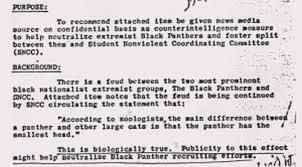
Groups like the Southern Christian Leadership Conference, Student Nonviolent Coordinating Committee, and the Black Panther Party found themselves under intense scrutiny, regardless of whether their tactics were peaceful, militant, or somewhere in between.
Even towering figures weren’t spared. Martin Luther King Jr. was wiretapped, surveilled, and targeted with psychological pressure campaigns, including attempts to discredit him publicly and privately. The goal wasn’t law enforcement in the traditional sense. It was reputational destruction.
The tactics read like something out of a political thriller, except they were real.
Agents planted informants inside organizations, sometimes encouraging internal conflict. They sent anonymous letters designed to sow distrust between leaders. In some cases, they attempted to fracture marriages, sabotage alliances, and derail movements before they could gain momentum. The idea was simple: if you can’t stop a movement openly, weaken it from within.
One of the most tragic outcomes tied to this climate of surveillance and disruption was the killing of Fred Hampton in 1969 during a police raid in Chicago, an operation later revealed to have been informed by intelligence from a COINTELPRO informant. That moment still echoes as a symbol of how far state power was willing to go.
To be clear, COINTELPRO was officially shut down in the 1970s after public exposure and congressional investigations, including the Church Committee, which condemned the program’s abuses and led to new oversight mechanisms.
But history doesn’t just disappear because a program ends on paper.
The lingering question is not whether COINTELPRO existed. It did. The question is how that history shapes trust today.
There’s no credible public evidence that COINTELPRO, as it operated then, continues in the same form today. Oversight structures, legal standards, and public scrutiny have changed significantly. At the same time, modern surveillance tools are far more advanced, and law enforcement agencies still monitor groups they believe could pose risks, across the political spectrum.
That dual reality creates tension.
For many Black Americans, skepticism toward government surveillance isn’t paranoia pulled from thin air. It’s rooted in documented experience. When institutions have historically crossed lines, it leaves a residue. Trust, once broken at that scale, doesn’t rebuild easily.
At the same time, it’s important to separate verified history from broad, unsupported claims about ongoing, targeted suppression of any rising Black figure. Serious allegations require evidence, not just pattern recognition or historical analogy. Without that distinction, the conversation risks drifting away from fact and into assumption.
Still, the emotional logic is understandable.
When a government once tracked, infiltrated, and attempted to neutralize peaceful civil rights leaders, it leaves behind a kind of institutional memory. Not written in official reports, but carried in communities, stories, and caution.
So when people raise concerns today, they’re not starting from zero. They’re starting from COINTELPRO.
And that history doesn’t demand blind distrust. But it does demand awareness, accountability, and a willingness to question power without losing grip on evidence.
Because if the past teaches anything, it’s this: transparency isn’t automatic. It’s something people have had to fight to uncover.
—Barrington Williams, B1Daily





Leave a comment