
—Jermichael Evers, B1Daily
The modern world hums on invisible currents. Every search, every stream, every AI prompt rides a river of electricity into cavernous buildings packed with servers. We call them data centers, a sterile phrase for something that is anything but neutral. Out on the edges of towns and across once-quiet farmland, these facilities are reshaping ecosystems, draining resources, and quietly pushing farmers to the margins.
From an environmentalist’s vantage point, the story is not about innovation. It’s about imbalance.
Start with water, the lifeblood of agriculture. Many data centers rely on massive cooling systems that consume staggering amounts of water to keep servers from overheating. In drought-prone regions or areas already under stress, that demand doesn’t come from nowhere. It comes from the same aquifers and reservoirs that farmers depend on to irrigate crops. When tech facilities pull millions of gallons for cooling, local growers are often left negotiating over what remains, watching water tables dip like a slow leak beneath their feet.
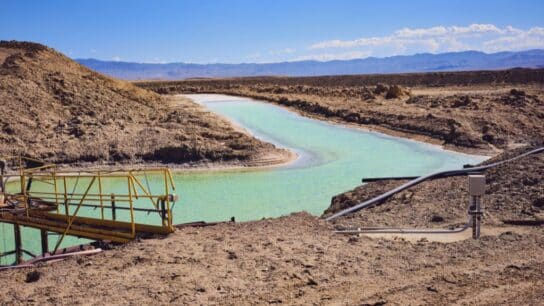
This isn’t theoretical. Communities near large-scale data center hubs have reported tightening water restrictions, rising costs, and growing uncertainty about long-term supply. Crops don’t wait for policy debates. When the water goes, so does the yield.
Then there’s land, the quiet casualty.
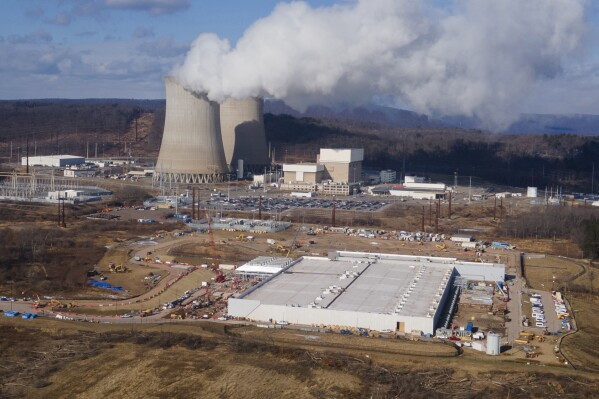
Farmland is being rezoned and repurposed at an accelerating pace to make room for sprawling server complexes. These aren’t small footprints. A single hyperscale facility can stretch across hundreds of acres, flattening fields that once produced food and replacing them with concrete, steel, and heat. For farmers, this isn’t just a loss of space. It’s a fracture in local agricultural networks, supply chains, and generational livelihoods.

Once land flips from soil to server, it rarely goes back.
Energy is where the conflict sharpens into something almost paradoxical. Data centers are often marketed as part of a “clean” digital economy, yet they are among the most energy-intensive structures ever built. Their appetite for electricity is relentless, drawing power at a scale that can rival small cities. In many regions, this demand strains local grids, driving up costs for residents and farmers alike.
For agricultural operations already operating on thin margins, higher energy prices can be the difference between survival and collapse. Irrigation systems, refrigeration, processing equipment, all of it becomes more expensive when the grid is under pressure from industrial-scale computing.
And even when companies promise renewable energy offsets, the reality is more complicated. Solar farms and wind projects tied to data centers often require their own land footprint, further displacing rural space. The equation starts to look less like sustainability and more like a reshuffling of environmental costs.
Noise and heat, the less visible intrusions, add another layer.
Data centers generate a constant mechanical hum, the sound of cooling systems and backup generators running around the clock. For nearby farms, that noise seeps into daily life, altering what were once quiet working environments. More subtly, the heat expelled by these facilities can affect local microclimates, especially when multiple centers cluster in one area. It’s not enough to change the weather, but it’s enough to shift the delicate balance crops rely on.
And then there’s the social fabric.
When land values spike due to tech development, farmers face rising property taxes and pressure to sell. What looks like economic growth on paper often translates into displacement on the ground. Generations of agricultural knowledge and community ties can unravel in a single development cycle, replaced by fenced compounds that employ far fewer people than the farms they displaced.
From an environmentalist perspective, the core issue is not technology itself. It’s scale without restraint.
Data centers are not inherently destructive. But the way they are currently being deployed, rapidly, densely, and often with limited local input, creates a pattern of extraction. Water is extracted. Energy is extracted. Land is extracted. And what remains is a landscape that produces less food, supports fewer people, and carries a heavier environmental burden.
The digital world may feel weightless, but its infrastructure is anything but.
If this trajectory continues unchecked, the risk is clear. Rural communities will become sacrifice zones for a data economy that rarely looks back. Fields will give way to server racks, and the quiet work of feeding people will be overshadowed by the louder, more profitable work of feeding machines.
The question is no longer whether data centers have an impact.
It’s whether we’re willing to draw a line before the land that sustains us is permanently rewritten in the language of servers.
—Jermichael Evers, B1Daily






Leave a comment