—Kerry Hill, B1Daily
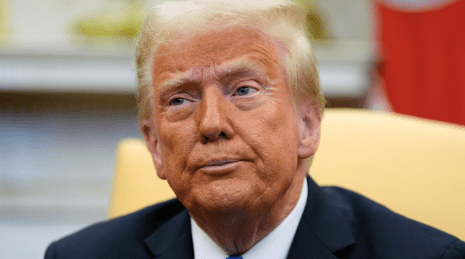
A new lawsuit is drawing sharp attention to recent federal workforce changes, alleging that Black employees were disproportionately affected by firings carried out under the administration of Donald Trump. The case, filed in federal court by a group of former employees and civil rights advocates, claims the dismissals were not only abrupt but discriminatory in both impact and intent.
According to the complaint, multiple Black federal workers across different agencies were terminated or forced out during restructuring efforts, with plaintiffs arguing that the pattern points to systemic bias rather than routine personnel decisions. Attorneys representing the workers contend that internal data, timing of dismissals, and alleged statements from supervisors raise serious questions about whether race played a role in who was let go.
The lawsuit leans on longstanding civil rights protections, including provisions under Title VII of the Civil Rights Act, which prohibit employment discrimination based on race. Legal experts note that cases like this typically hinge on evidence showing either explicit discriminatory intent or a “disparate impact,” where policies appear neutral but disproportionately harm a protected group.
Supporters of the plaintiffs argue the case reflects a broader concern about equity within the federal workforce. They point to past debates over diversity initiatives and hiring practices, suggesting that recent changes may have reversed gains made in representation and inclusion.
On the other side, defenders of the administration reject the allegations, describing the firings as part of standard government restructuring and performance-based decisions. They argue that workforce reductions often affect multiple groups and that claims of race-based targeting must be backed by clear, verifiable evidence.
At this stage, the case remains in its early phases, and the court has not made any findings on the merits of the claims. As with many high-profile employment lawsuits, the process could take months or longer, with discovery, testimony, and potential appeals shaping the final outcome.
Beyond the legal arguments, the case is likely to fuel ongoing political debate about the role of race, accountability, and leadership within federal institutions. For the plaintiffs, the goal is not only reinstatement or compensation, but also a broader acknowledgment of what they believe to be unjust treatment.
For now, the central question remains unresolved: were these firings a routine exercise of executive authority, or do they reflect something more troubling beneath the surface?
—Kerry Hill, B1Daily





Leave a comment