—Vincent Willow, B1Daily
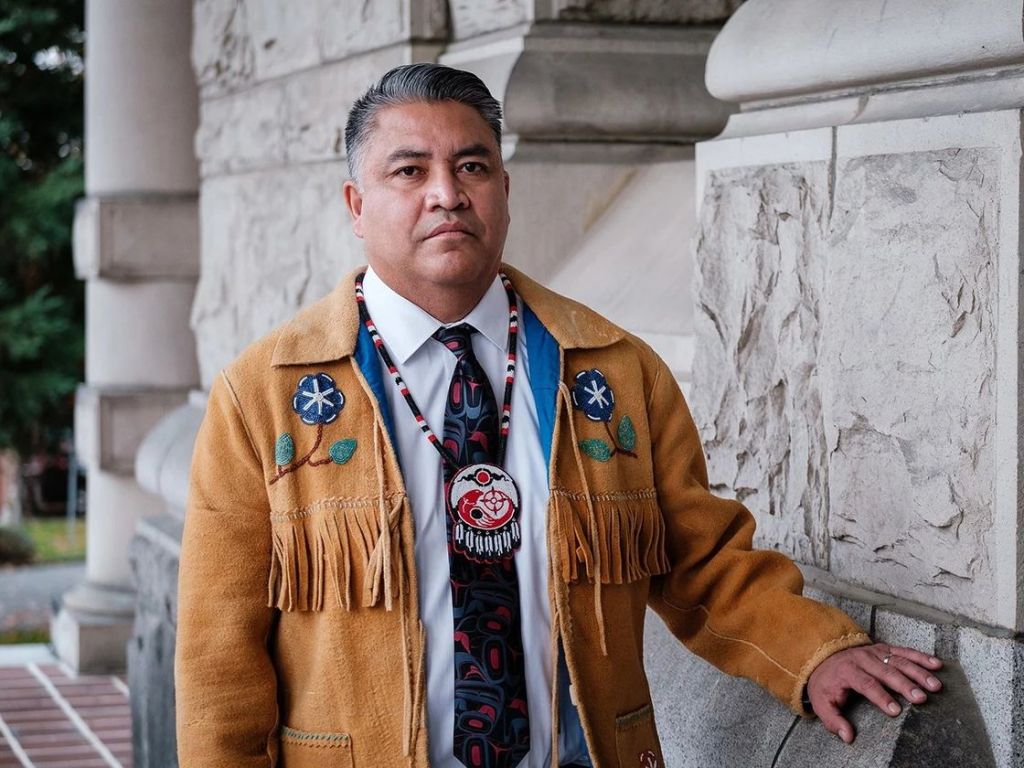
A political storm is brewing in British Columbia, where Indigenous leaders are warning that a proposed legislative move could roll back years of progress on Indigenous rights, setting off one of the most serious confrontations between First Nations and the provincial government in recent memory.
At the center of the conflict is the province’s plan to suspend key provisions of the Declaration on the Rights of Indigenous Peoples Act, a landmark law designed to align provincial policies with the United Nations Declaration on the Rights of Indigenous Peoples.
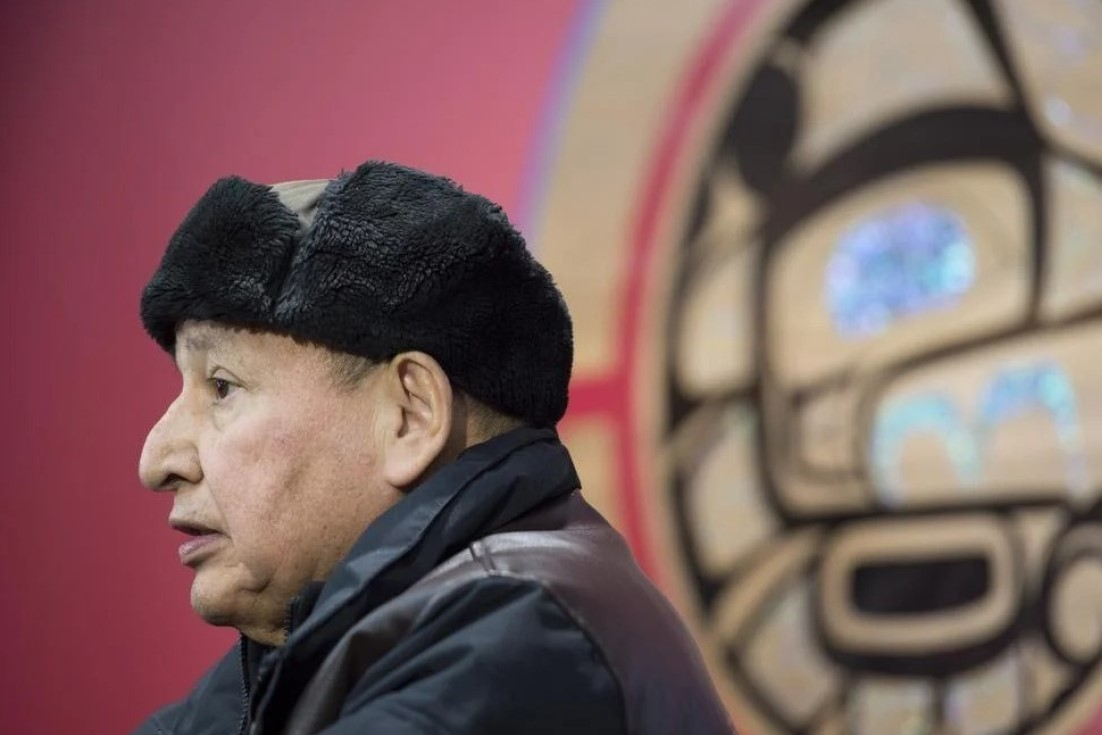
Indigenous leaders say the move is nothing short of an “attack” on their rights.
In a unified response, the First Nations Leadership Council, representing major Indigenous governing bodies across the province, has urged lawmakers to reject the bill outright. Their concern is clear: suspending parts of the law, even temporarily, risks weakening protections around land, sovereignty, and decision-making authority that were hard-fought and only recently codified.
The stakes are not abstract.
The Declaration Act, passed in 2019, was designed to ensure that provincial laws respect Indigenous rights, including principles like free, prior, and informed consent for decisions affecting Indigenous lands. Its suspension, critics argue, could open the door to resource development and legal decisions that bypass those protections.
Government officials, however, point to a different pressure: the courts.
According to provincial leadership, a recent legal ruling involving mineral claims has created uncertainty and potential litigation risks tied to how the law is currently applied. In response, the government has proposed pausing parts of the legislation while the issue works its way through higher courts.
But for First Nations leaders, that explanation doesn’t hold.
They argue that legal complexity should not justify retreating from commitments to Indigenous rights. Instead, they see the move as a step backward, one that signals that reconciliation is conditional rather than foundational.
The tension reflects a deeper, long-standing struggle in Canada.
Indigenous land rights and sovereignty have remained central political issues for decades, with ongoing disputes over land claims, treaty obligations, and resource development shaping the relationship between governments and First Nations communities.
What makes this moment different is the symbolism.
The Declaration Act was widely seen as a milestone, a rare instance where government and Indigenous leaders worked together to embed international human rights standards into domestic law. Rolling back parts of it, even temporarily, risks eroding trust not just in policy, but in the broader promise of reconciliation.
And the backlash is already building.
Indigenous leaders have signaled they are prepared to escalate, including legal challenges and potential direct action, if the legislation moves forward. The language coming from First Nations organizations is unusually sharp, reflecting a sense that something fundamental is at risk.
This is not just a policy disagreement.
It’s a clash over who gets to decide the future of land, law, and power in one of Canada’s most resource-rich regions.
For now, the bill’s fate remains uncertain. But one thing is clear: the fight over Indigenous rights in Canada is entering a new phase, one where progress is no longer assumed, and where even established protections can be contested.
—Vincent Willow, B1Daily





Leave a comment