—Terrence Dorner, B1Daily
The security situation in the Persian Gulf deteriorated sharply this week after Iranian forces launched a coordinated missile and drone strike against targets in Kuwait, prompting retaliatory U.S. military operations against Iranian assets near the Strait of Hormuz.
According to regional officials, the attack struck infrastructure in and around Kuwait International Airport, causing casualties and temporarily disrupting civilian air operations. The strike represents one of the most significant direct attacks against a Gulf Cooperation Council member since the current crisis began and signals Tehran’s willingness to expand the battlespace beyond traditional flashpoints.
U.S. Central Command officials confirmed that American and partner air defense networks engaged multiple incoming threats during the attack. Patriot missile batteries and other integrated air-defense systems reportedly intercepted several Iranian projectiles, preventing greater damage to military and civilian facilities throughout the region.
In response, U.S. forces conducted precision strikes against Iranian military infrastructure associated with missile, drone, and maritime operations near the Strait of Hormuz. Targets reportedly included launch facilities, command-and-control nodes, and logistical assets believed to be supporting Iranian offensive operations against Gulf states and international shipping.
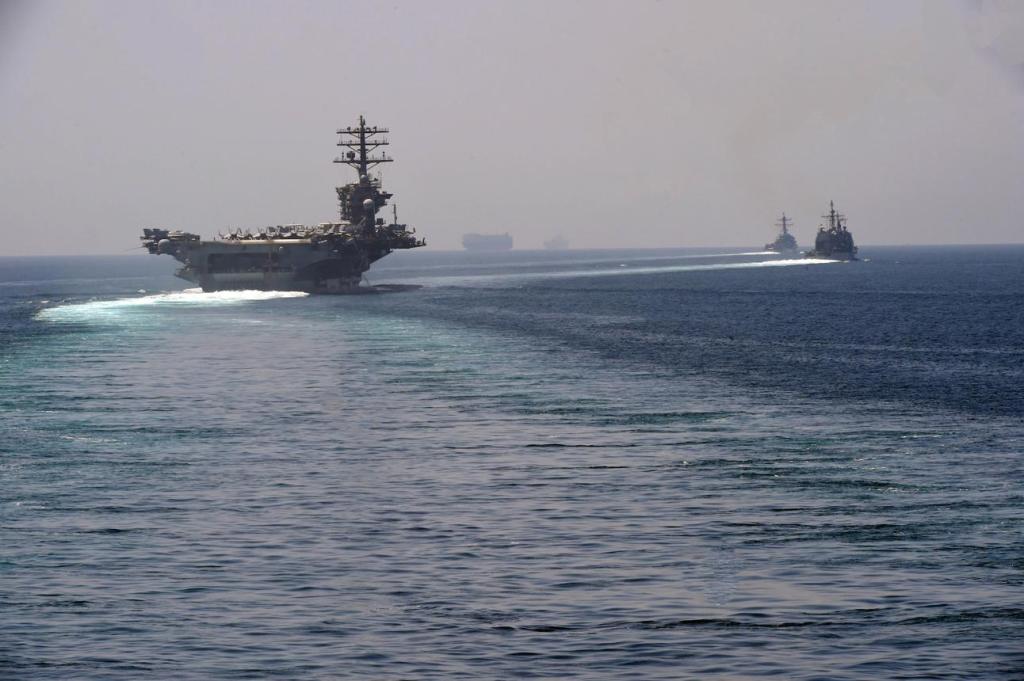
Military analysts view the American response as part of a broader effort to reestablish deterrence while degrading Iran’s ability to threaten regional partners and maritime commerce. The strikes demonstrate Washington’s continued commitment to maintaining freedom of navigation through one of the world’s most strategically important waterways.
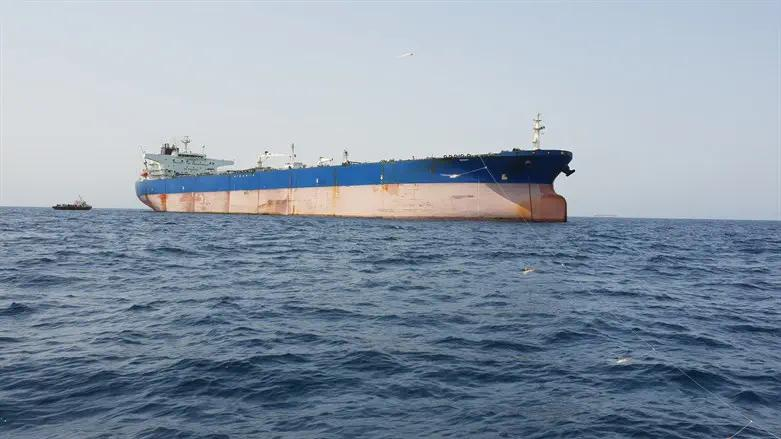
The Strait of Hormuz remains a critical military and economic chokepoint. Roughly 20 percent of the world’s seaborne petroleum exports transit the narrow passage, making its security a top priority for the United States, allied Gulf nations, and major global economies. Any disruption to shipping traffic could have immediate consequences for global energy markets and international trade.
Iranian military leadership has defended the operation as retaliation for recent U.S. actions in the Gulf, while American officials characterize their response as a necessary self-defense measure designed to protect U.S. personnel, allied forces, and commercial shipping lanes from further attack.
The latest exchange highlights the growing risk of escalation between Tehran and Washington. What began as a series of isolated confrontations has evolved into a multi-domain conflict involving missile warfare, drone operations, maritime security missions, and regional air-defense networks stretching across the Gulf.
For military planners, the immediate concern is whether either side chooses to widen the conflict further. Additional attacks against Gulf infrastructure, U.S. bases, naval forces, or commercial vessels could rapidly transform the current crisis into a broader regional confrontation involving multiple state actors.
As American warships, combat aircraft, and missile defense systems remain on heightened alert throughout the region, the Gulf has once again become one of the most heavily militarized and strategically volatile theaters in the world.
—Terrence Dorner, B1Daily






Leave a comment