—Barrington Williams, B1Daily
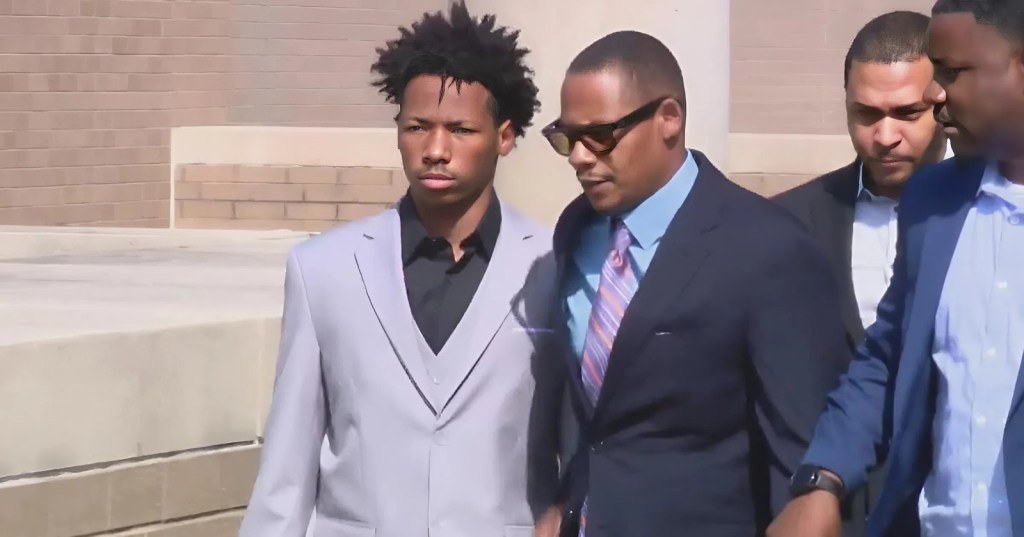
As the murder trial of Karmelo Anthony begins in Texas, one fact has already ignited controversy far beyond the courtroom: not a single Black juror will sit on the panel deciding his fate.
Anthony, a Black teenager accused in the fatal stabbing of Austin Metcalf, faces one of the most consequential moments of his life. Yet before opening statements could even begin, concerns emerged regarding the composition of the jury selected to hear the case.
Defense attorneys objected after prosecutors struck the final three remaining Black prospective jurors from the jury pool. Prosecutors argued the strikes were race-neutral because the individuals were educators, and the presiding judge ultimately accepted that explanation. Legally, the court has ruled that the jury selection process complied with existing standards.
That does not mean the public’s concerns disappear.
For many observers, the issue is larger than whether prosecutors can articulate a race-neutral reason for a strike. The issue is perception, representation, and confidence in the judicial process. When a Black defendant faces life in prison and no Black jurors are selected from a county with a diverse population, many Americans naturally question whether the system is functioning as intended.
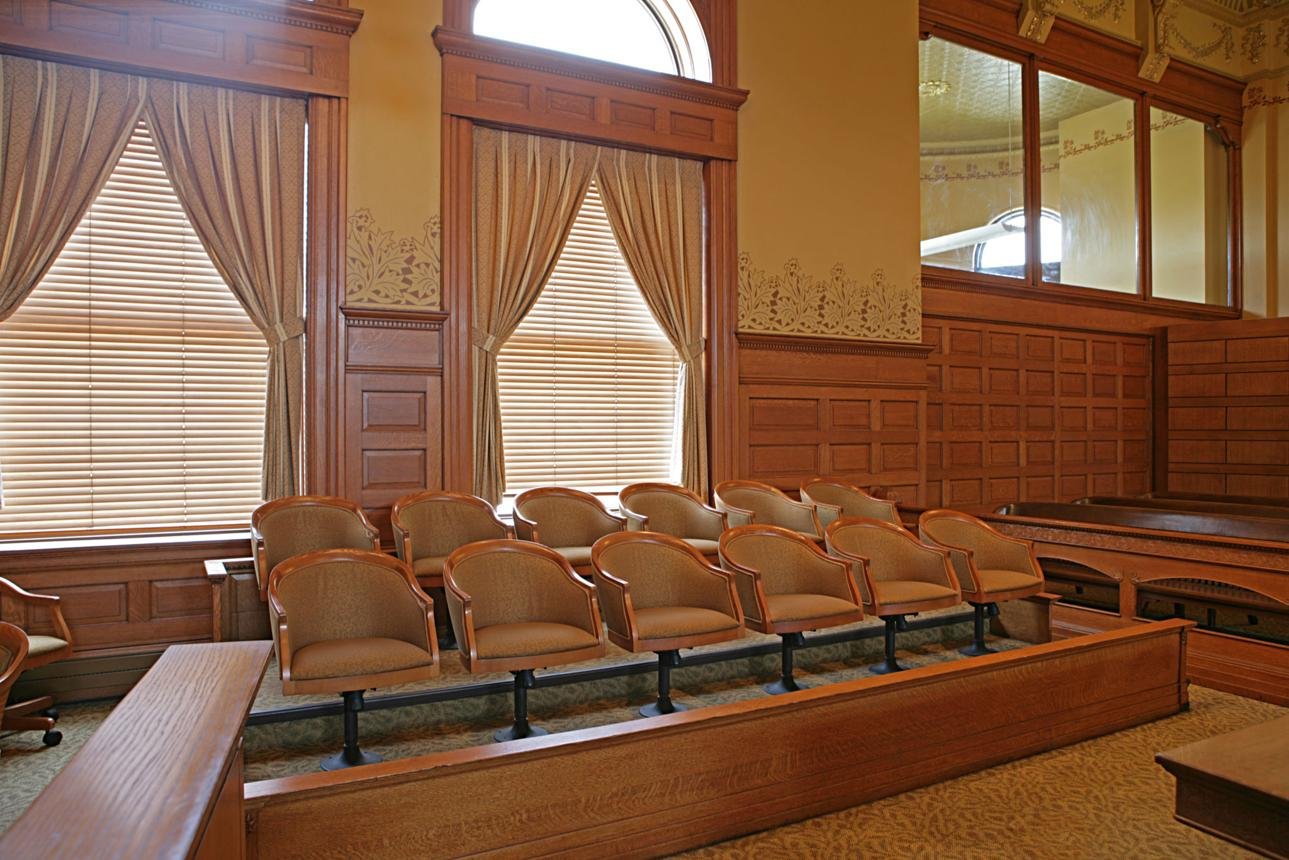
The phrase “jury of your peers” has never meant a jury made up entirely of people who share a defendant’s race. Courts have repeatedly rejected that interpretation. However, the principle behind the phrase is rooted in the idea that juries should reflect a fair cross-section of the community. When entire demographic groups disappear from the final panel, skepticism is inevitable.
This concern is not unique to the Anthony case. For decades, civil rights advocates have argued that peremptory strikes have sometimes been used in ways that disproportionately remove minority jurors. Courts have attempted to address those concerns through rulings that prohibit race-based exclusions, but critics argue that almost any exclusion can be justified with a supposedly race-neutral explanation.
The result is a system where minority representation can still vanish from a jury box while remaining technically legal.
None of this proves that Karmelo Anthony cannot receive a fair trial. Jurors are sworn to follow the evidence and the law regardless of race. Many fair verdicts have been reached by juries that did not mirror the racial makeup of defendants. Likewise, the race of a juror does not automatically determine how that person will evaluate evidence.
Yet fairness is not merely about the final verdict. It is also about public trust.
When communities look at a courtroom and see no one who shares the defendant’s background, confidence in the process can erode. Whether Anthony is ultimately acquitted or convicted, critics will continue to ask whether the jury selection process produced a panel that truly reflected the community from which it was drawn.
The justice system depends not only on fairness, but on the appearance of fairness. In a case already charged with racial tensions and national attention, the absence of Black jurors ensures that questions about representation will remain part of the conversation long after the verdict is read.
—Barrington Williams, B1Daily



Leave a comment