—Barrington Williams, B1Daily
The debate over reparations for Freedmen, descendants of enslaved Black Americans, often gets bogged down in abstract discussions of “programs,” “investments,” or “symbolic gestures.” But history shows us that real reparations always start with money. Direct cash payments are the foundation. Everything else, education funds, land grants, community programs, comes after. And America has already set the precedent.
The Legal Blueprint Exists
In 1988, the U.S. government paid $20,000 each to over 80,000 Japanese Americans interned during WWII under the Civil Liberties Act. The payments weren’t conditional, no strings attached.
Similarly, Jewish Holocaust survivors received billions in restitution from Germany and other entities, with individual payments often exceeding $100,000. These weren’t “scholarships” or “housing grants.” They were direct cash reparations, acknowledging stolen lives and labor.
The framework is already there. The Civil Liberties Act didn’t require Japanese Americans to prove they “deserved” the money, the injustice was enough. ‘
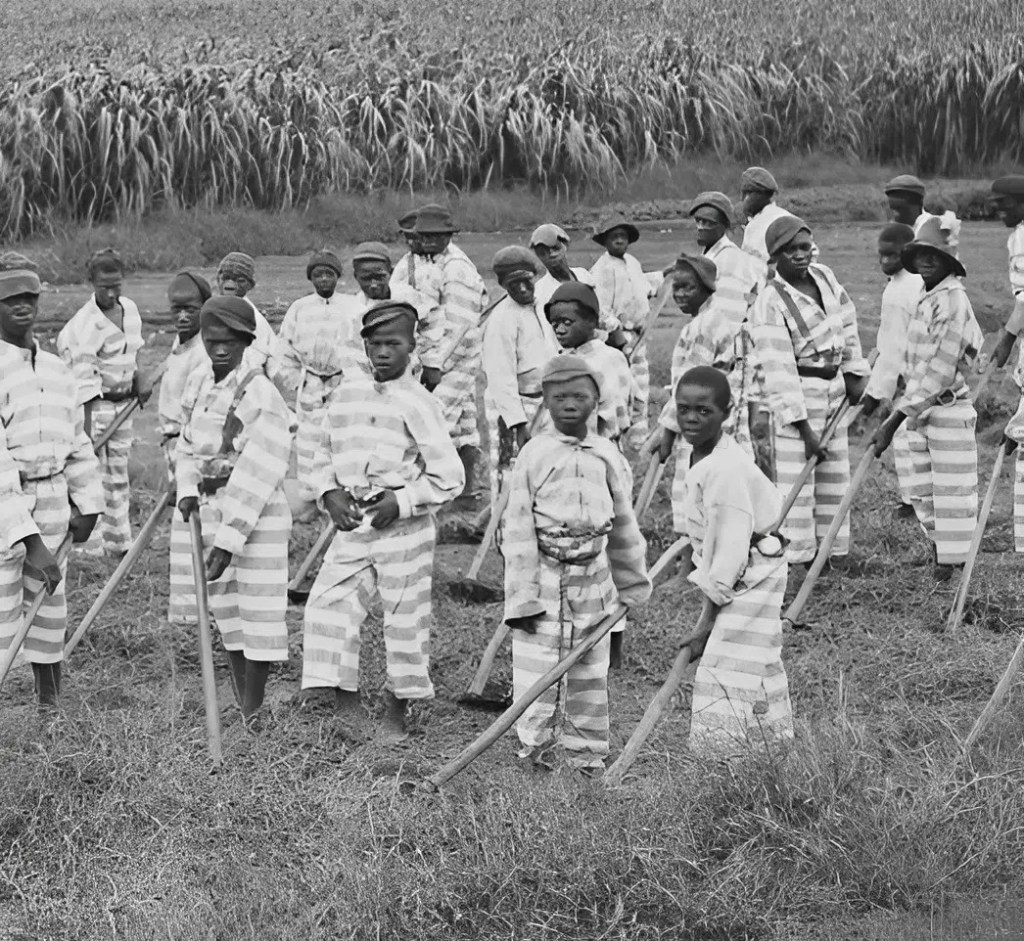
For Freedmen, the moral and legal case is even clearer: starting from slavery, 250 years of unpaid labor, followed by another century of legalized theft via Jim Crow, redlining, and exclusion from wealth-building programs like the GI Bill. The debt is calculable.
Why Cash First?
1. Autonomy: Money allows recipients to decide their own needs. A check doesn’t dictate whether someone pays off debt, starts a business, or buys a home.
2. Immediate Impact: Cash injections lift families out of cycles of poverty now, not after decades of means-tested bureaucracy.
3. Symbolic Weight: Money is the language America understands. A check forces acknowledgment that Black labor built this country’s wealth.
The Opposition’s Hypocrisy
Bootlicks like ‘Amazing Lucas’ always state that “Black people wouldn’t know how to spend the money”. This is incredibly racist and anti-Black because these critics never mention other groups who were and are currently being paid reparations, know how to spend their funds.
Critics also claim cash reparations are “divisive” or “unworkable.” Yet they ignore that the U.S. government paid reparations to slaveholders in 1862 to the sum of $300 per enslaved person freed under the District of Columbia Compensated Emancipation Act. If America could calculate the “value” of enslaved people to pay their “owners”, it can calculate what’s owed to their descendants.
The demand is simple: follow the precedents set for Japanese Americans and Jewish Holocaust survivors. Start with the check. The rest is commentary.
—Barrington Williams, B1Daily





Leave a comment