—Vanessa Edwards, B1Daily
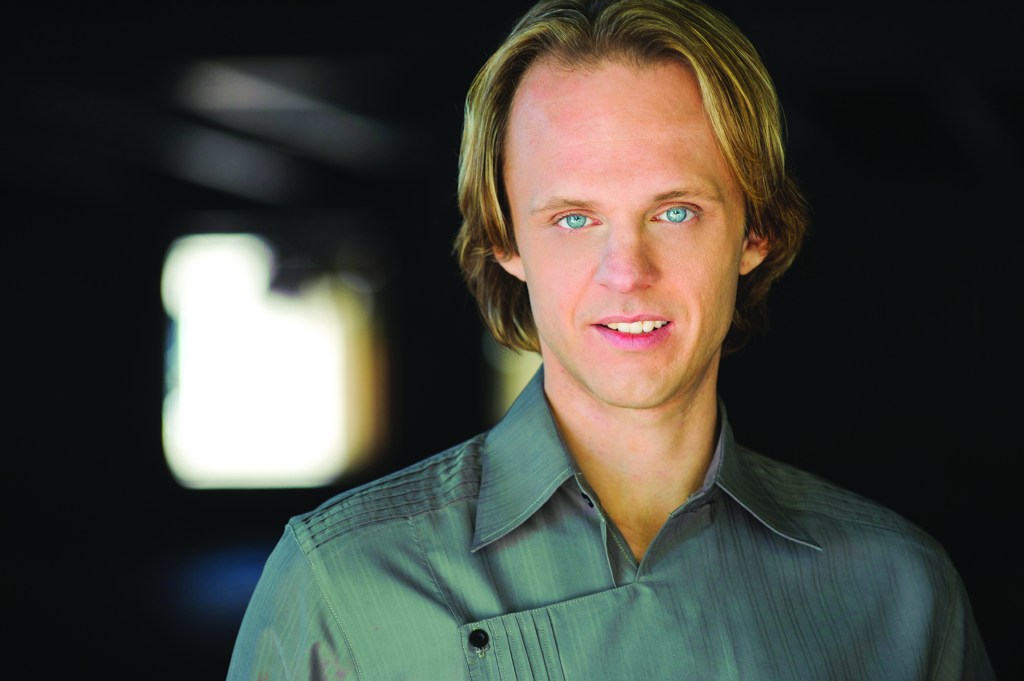
The internet doesn’t do quiet exits, and the reported death of David Wilcock at 53 has landed like a flare in a dry field, sparking speculation faster than facts can catch up.
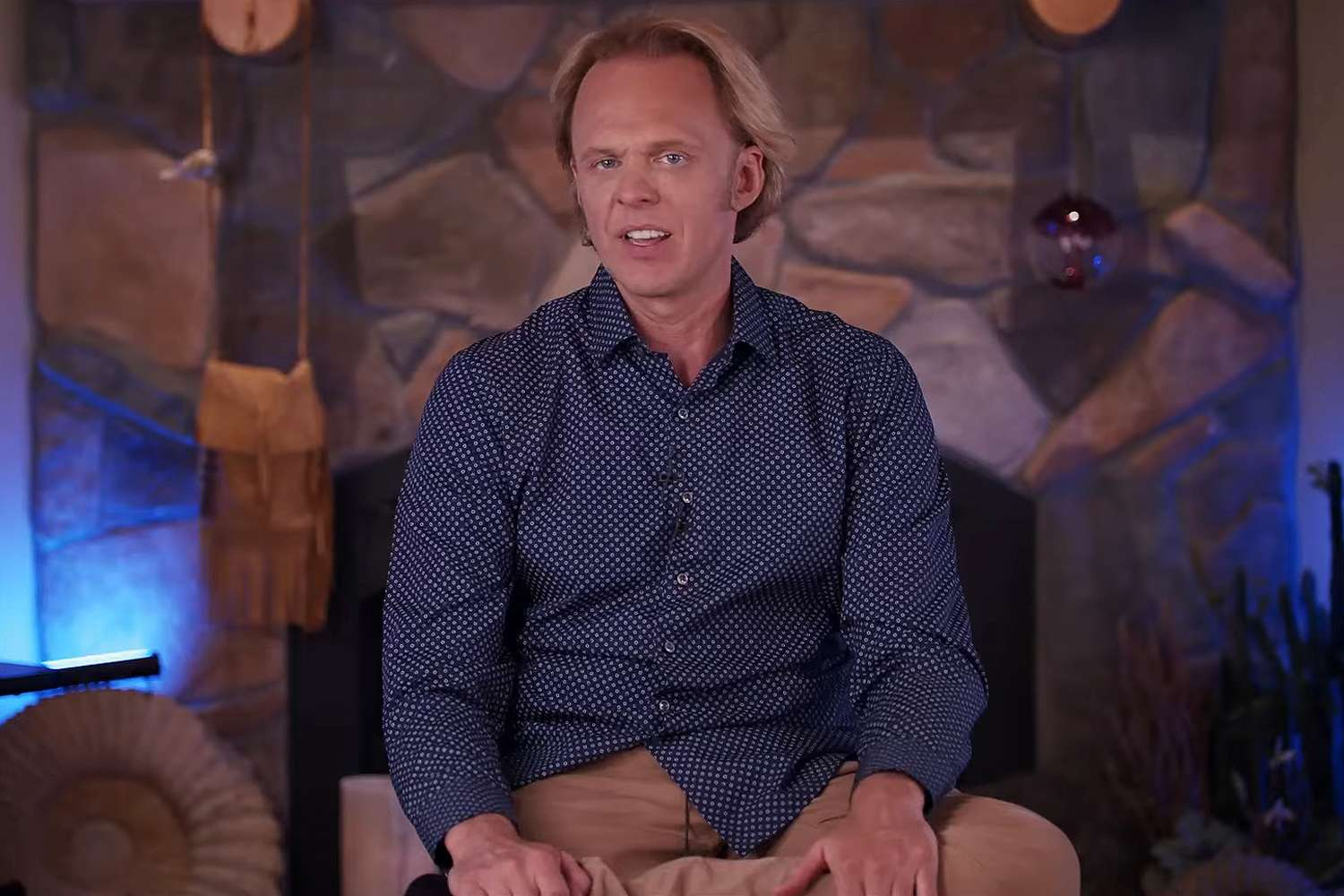
Wilcock built a career in the strange borderlands where spirituality, conspiracy theory, and UFO research overlap. To his followers, he wasn’t just a commentator, he was a decoder of hidden systems, someone claiming access to insiders and suppressed knowledge about extraterrestrial contact. To his critics, he was a prolific storyteller whose claims outran verifiable evidence. Either way, he occupied a loud corner of the modern UFO ecosystem, one that thrives on distrust of official narratives.
Much of his work revolved around a central, explosive idea: that the U.S. government and elements within the defense and intelligence apparatus have long concealed evidence of extraterrestrial technology and contact. He spoke about secret programs, reverse-engineered craft, and classified research buried beneath layers of bureaucracy and denial. These weren’t passing comments. They were the spine of his books, lectures, and online broadcasts, repeated often enough to build a dedicated audience that saw him as a whistleblower-adjacent figure.
Now, with news of his death circulating and described by some online voices as “suspicious,” the same themes that fueled his career are being pulled into the conversation about his final chapter. That’s the predictable part. When someone spends years arguing that powerful institutions hide the truth, any sudden or unclear ending risks being interpreted through that lens.
Here’s where things need to be handled carefully. As of now, there is no verified public evidence indicating foul play in Wilcock’s death. “Suspicious” is a word doing a lot of heavy lifting online, often without official confirmation or substantiated details. In cases like this, speculation tends to expand into the vacuum left by limited information, especially when the subject himself spent years encouraging people to question official explanations.
That doesn’t erase his influence. Wilcock was part of a broader wave of modern UFO personalities who helped push the topic from fringe forums into mainstream conversation. Over the past decade, discussions around unidentified aerial phenomena have shifted, with government agencies releasing reports and acknowledging that some sightings remain unexplained. While that shift wasn’t driven by any single figure, voices like his contributed to the cultural pressure that kept the topic alive.
His legacy, then, is complicated. He leaves behind a body of work that energized believers, frustrated skeptics, and blurred the line between investigation and imagination. For some, he will be remembered as someone who tried to pull back the curtain. For others, as someone who built a career on what couldn’t be proven.
Death tends to freeze a person’s narrative in place, but in Wilcock’s case, it may do the opposite. It risks amplifying the very questions he spent years asking, now redirected at the circumstances surrounding him.
Until more concrete information emerges, what remains is a mix of influence, controversy, and a community already primed to see patterns where certainty is still out of reach.
—Vanessa Edwards, B1Daily




Leave a comment