—Kerry Hill, B1Daily
The agency that was supposed to stand between everyday Americans and financial predators is being stripped down to a skeleton, and the people who are going to feel it first aren’t billionaires. It’s the working class.
Welcome to the fallout from the gutting of the Consumer Financial Protection Bureau.
The CFPB wasn’t built for Wall Street comfort. It was built after the 2008 financial crash specifically to stop banks, lenders, and credit companies from running wild on regular people. And it worked. Since its creation, it has returned over $21 billion to consumers who were cheated through hidden fees, predatory loans, and shady financial tricks.
Now imagine pulling the teeth out of that watchdog.
That’s essentially what’s happening.
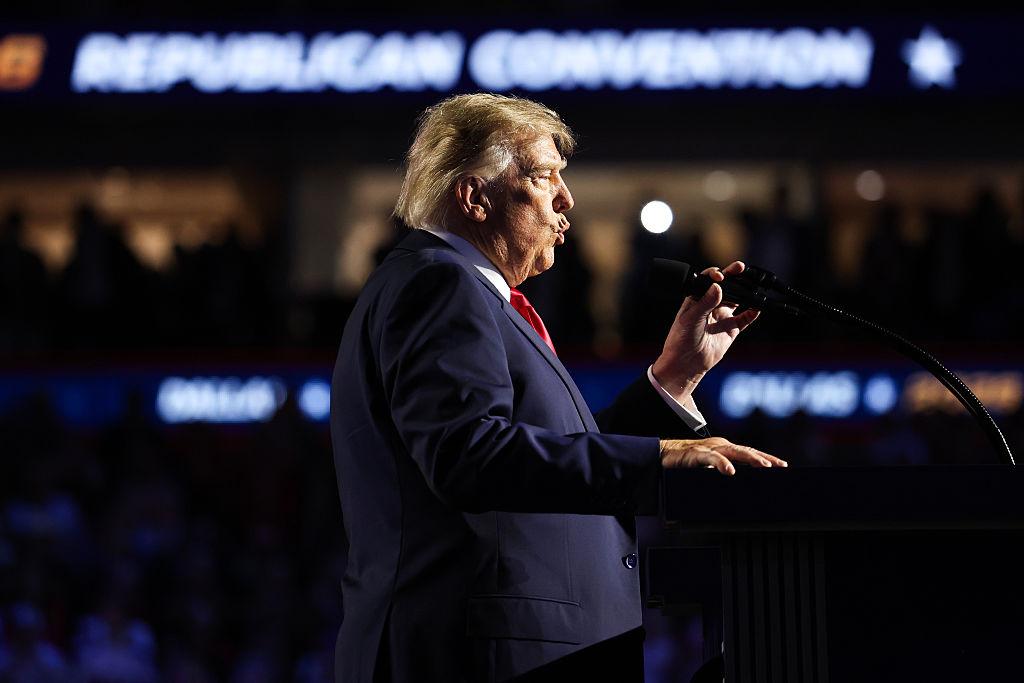
Under Donald Trump’s current policy direction, the CFPB is being hit from multiple angles at once. Funding has been slashed nearly in half, cutting its ability to operate at full strength. At the same time, there have been aggressive attempts to reduce staff by two-thirds or more, including efforts to wipe out large portions of enforcement and supervision teams.

Translation? Fewer watchdogs. Fewer investigations. Fewer consequences for bad actors.
And that’s not theoretical. It’s already showing up in policy.
In April 2026, the CFPB moved to eliminate a key anti-discrimination standard in lending, weakening protections that previously helped guard against systemic bias in loans and credit decisions.
That’s not a small tweak. That’s removing a safety net.
For working-class Americans, especially those already navigating tight budgets, this kind of rollback hits like a slow bleed rather than a sudden crash. You don’t always see it immediately. You feel it when your credit card interest spikes and nobody steps in. You feel it when a lender slips in hidden fees and there’s no enforcement body with the manpower to challenge it. You feel it when algorithms quietly discriminate and there’s no legal pressure forcing fairness.
And the numbers behind the scenes are just as grim.
Supervision of financial institutions is being scaled back. Enforcement actions are being reduced. Entire investigations have been halted or dropped as the agency shrinks.
That’s not reform. That’s retreat.
Critics, including multiple state attorneys general, are sounding alarms that these cuts will leave families exposed to deceptive practices, effectively shifting power back toward large financial institutions.
And here’s the uncomfortable truth buried underneath the policy language:
When the referee leaves the game, the players don’t suddenly become honest.
They get aggressive.
Banks and lenders operate on incentives. If oversight weakens, profit-maximizing behavior fills the gap. That means higher fees, riskier loan structures, and more pressure on people who already have the least margin for error.
The working class doesn’t have the luxury of absorbing those hits. They’re the ones juggling rent, credit, groceries, and unexpected expenses all at once. When protections disappear, the impact isn’t academic. It’s immediate and personal.
Supporters of the cuts argue that the CFPB was overreaching, too powerful, too burdensome on businesses. That it needed to be scaled back. But even if you buy that argument, there’s a difference between trimming an agency and hollowing it out.
Right now, this looks a lot closer to hollowing.
Because when you cut funding, slash staff, weaken rules, and slow enforcement all at once, you’re not just making an agency smaller.
You’re making it quieter.
And for the working class, quiet watchdogs are the most dangerous kind.
—Kerry Hill, B1Daily




Leave a comment