—Kianna Lemke, B1Daily
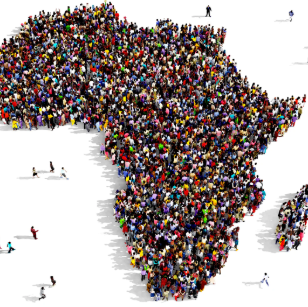
History is messy, and the Transatlantic Slave Trade is one of its most brutal chapters. It is also one of the most argued over when it comes to responsibility. The dominant narrative, and rightly so, centers European empires and the plantation economies of the Americas. But a harder, more uncomfortable conversation has been creeping into view: what responsibility, if any, do African states today bear for the roles some African polities played in that system?
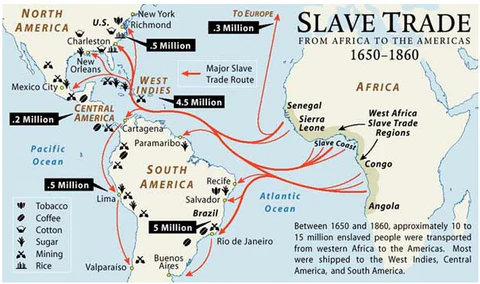
The argument being made by a small but growing number of voices is blunt. Certain West and Central African kingdoms and intermediaries participated in capturing, selling, and profiting from enslaved Africans. That participation, they argue, was not incidental. It was part of the machinery that allowed the trade to function at scale. From that perspective, the diaspora’s historical claim is not only against Europe and the Americas, but also against parts of Africa that benefited materially at the time.
Push that argument forward into the present, and it becomes even sharper. Modern African nations now have formal governments, national budgets, and access to international financial systems. They are no longer pre-colonial polities operating under external pressure alone. So, the claim goes, if reparations are about acknowledging harm and redistributing resources to address historical injustice, then African governments could, in theory, allocate funds or create programs directed toward the global Black diaspora.
Supporters of this view frame it as shared accountability. They argue that moral consistency demands a full accounting of all actors involved in the trade, not a selective one. If profit was made on human lives, they say, then responsibility should follow profit, regardless of geography.
But this argument runs into immediate and serious challenges.
First is the issue of continuity. The kingdoms and entities that participated in the slave trade are not the same as the modern nation-states that exist today. Colonialism redrew borders, dismantled political systems, and imposed entirely new structures. Holding present-day governments accountable for the actions of pre-colonial entities raises difficult questions about legal and moral inheritance.
Second is the scale of exploitation. While some African intermediaries did profit, the overwhelming economic gains of the slave trade flowed to European powers and plantation economies in the Americas. Those systems industrialized human bondage and extracted generational wealth on a level that dwarfed local participation. Critics of the reparations-from-Africa argument say focusing on African contributions risks diluting the primary responsibility of those who built and sustained the global system of slavery.
Third is capacity. Many African countries today face significant economic challenges, including debt burdens, infrastructure gaps, and development needs. The idea that it would be “nothing” for governments to allocate reparations funds is heavily contested. Budgets are often constrained, and competing priorities like healthcare, education, and economic development already stretch resources thin.
There is also a philosophical divide about what reparations are meant to achieve. For many advocates, reparations are tied to systems of racial hierarchy and exploitation that continued long after slavery formally ended, particularly in the United States and Europe. From that angle, the responsibility is linked not just to the historical act of enslavement, but to the enduring structures that followed.
Still, the conversation itself is revealing. It highlights a broader desire for a more complete reckoning with history, one that doesn’t flatten complexity or ignore uncomfortable truths. It also underscores the global nature of the African diaspora and the ongoing search for justice that crosses borders.
Whether the idea of African governments paying reparations gains traction or remains a fringe position, it forces a deeper question into the open: how should responsibility be distributed when history involves multiple actors, unequal power, and consequences that are still being felt centuries later?
That question doesn’t have an easy answer. But it isn’t going away.
—Kianna Lemke, B1Daily




Leave a comment