—Vincent Willow, B1Daily
The disappearance of a teenage girl in South Hedland is not just another missing persons case. It represents a larger pattern, one that Indigenous communities across Australia have been sounding the alarm about for years.
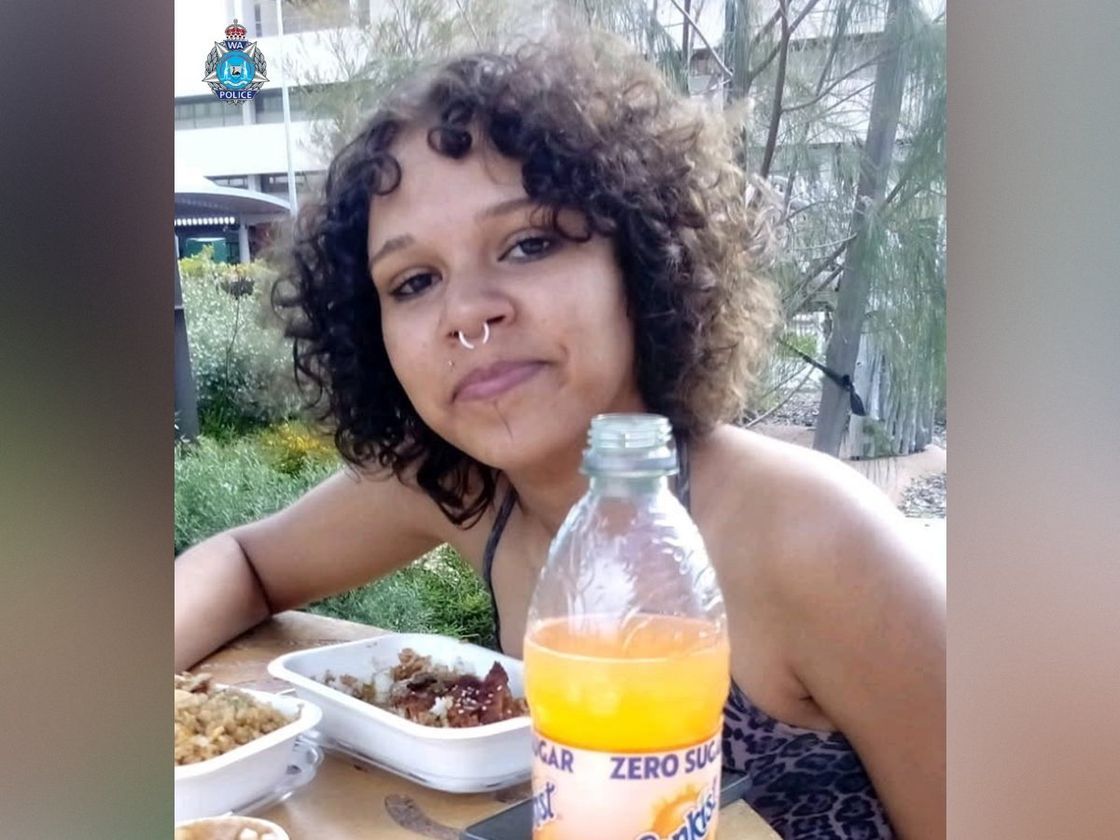
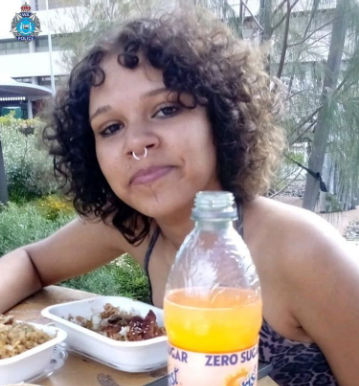
Police have issued public calls for help in locating the missing teen, Kayshaan Foley who has not been seen since Wednesday. Authorities are stressing serious welfare concerns and urging anyone with information to come forward. But for many Aboriginal families, the fear isn’t just about one girl. It’s about a pattern they know too well.
Because when an Indigenous child goes missing, it doesn’t exist in isolation. It echoes a broader crisis.
Across Australia, Indigenous women and girls are disproportionately impacted by violence, abuse, and disappearance. Studies show Indigenous children experience sexual abuse reporting rates two to four times higher than non-Indigenous children. Indigenous women are also far more likely to experience violence, with significantly higher rates of assault and abuse compared to the general population.
Those aren’t just statistics. They are warning signs that have been flashing for decades.
In remote and regional areas like South Hedland, those risks are often intensified. Isolation, limited services, and strained relationships with law enforcement create gaps where predators can operate with less scrutiny. Reports and inquiries over the years have repeatedly pointed to systemic failures, lack of resources, and cultural disconnects in how authorities respond to Indigenous cases.
And then there’s the issue many families refuse to let be ignored anymore: visibility.
Cases involving Indigenous women and girls often receive less media attention, less urgency, and less sustained investigation. It’s part of what has led advocates to describe the situation as a “hidden crisis,” where disappearances and violence fail to trigger the same national response seen in other cases.
So when a teenage girl goes missing in South Hedland, the community doesn’t just ask “where is she?”
They ask: will she be found in time?
Will this case be taken seriously?
Will it fade like so many others?
There’s also a generational weight behind these fears. Indigenous communities in Australia continue to deal with the long shadow of historical trauma, displacement, and systemic inequality. These factors are not abstract. They directly shape vulnerability, access to protection, and trust in institutions meant to provide safety.
That’s why each case hits harder.
Because it reinforces a reality many are already living: that Indigenous girls are too often left exposed, too often overlooked, and too often forced to navigate environments where danger is normalized instead of eliminated.
Community leaders and advocates have long called for targeted protections, better resourcing, and Indigenous-led solutions to address violence and disappearances. They argue that without culturally informed systems and consistent attention, the cycle will continue.
Right now, in South Hedland, a family is waiting. A community is watching. And beneath the search efforts is a deeper, more uncomfortable truth pressing to the surface.
This isn’t just about finding one missing girl.
It’s about confronting why so many Indigenous girls end up in danger in the first place.
—Vincent Willow, B1Daily



Leave a comment