—Barrington Williams, B1Daily
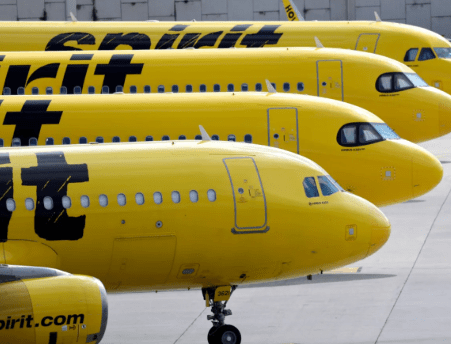
Reports of a roughly $500 million bailout tied to Spirit Airlines have reignited a familiar anger. Not because airlines never need help, but because of who keeps getting asked to provide it, and what they get in return.
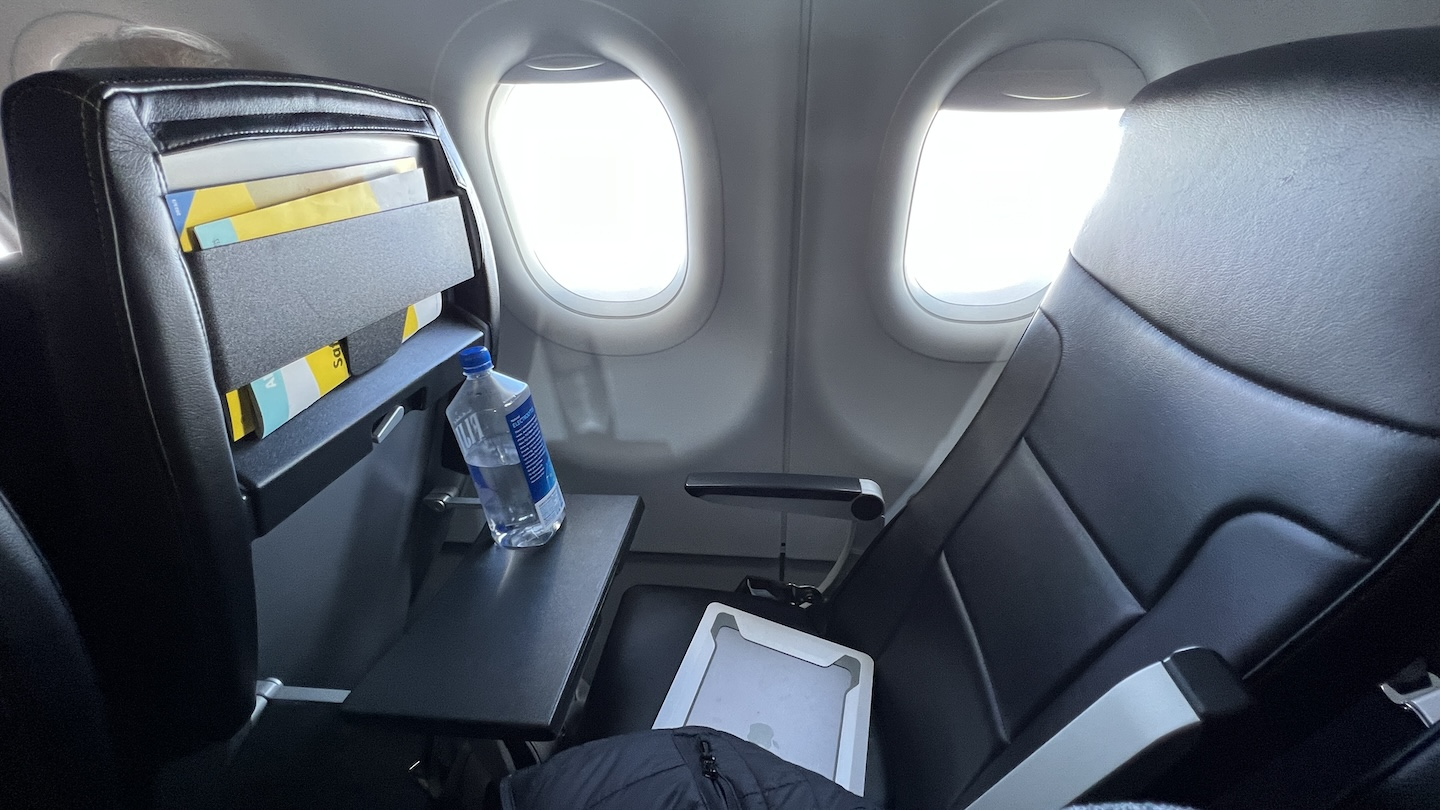
Spirit has built its brand on being unapologetically bare-bones. The base fare looks irresistible until the add-ons begin to stack like a game you didn’t agree to play. Carry-on bag? Fee. Seat selection? Fee. A seat that doesn’t feel like it was engineered by a medieval torturer? Also a fee. By the time you’re buckled in, the “cheap” ticket can feel like a magician’s trick that reveals the real cost only after the applause.
That model might be defensible in a pure market environment. You get what you pay for, and consumers choose accordingly. But the equation changes when public money enters the frame.
A bailout is not just financial support. It’s a signal. It tells the market that failure has a safety net, that even companies delivering subpar experiences can lean on federal lifelines when turbulence hits. For critics, that creates a perverse loop. Airlines cut costs to the bone to maximize margins, service quality drops, customer frustration rises, and when the balance sheet buckles, taxpayers are expected to stabilize the whole operation.
It’s capitalism on the way up, cushioning on the way down.
Defenders of airline aid argue the sector is unique. It’s critical infrastructure, they say, essential for commerce, travel, and economic connectivity. When airlines wobble, the ripple effects spread quickly through tourism, business travel, and regional economies. In that light, intervention isn’t a handout, it’s damage control.
But that argument only goes so far when the customer experience keeps eroding.
Anyone who’s flown a budget carrier recently can recite the symptoms. Delays that stretch like taffy. Customer service that feels more like a maze than a help desk. Policies that seem designed less for clarity and more for revenue extraction. These aren’t isolated complaints. They’re part of a pattern that has defined the ultra-low-cost segment for years.
So when public funds step in, the question isn’t just “should we save the airline?” It’s “what are we saving?”
If the answer is a system that continues to nickel-and-dime passengers while offering minimal reliability, then the bailout starts to look less like economic necessity and more like corporate insurance paid for by people who may never even board the plane.
There’s also the fairness angle. Small businesses fail every day without a federal parachute. Workers in other industries face layoffs without billion-dollar rescue packages waiting in the wings. Yet large corporations, especially in sectors deemed “too important,” often find themselves cushioned from the full consequences of their own business models.
That imbalance sticks.
To be clear, not every bailout is unjustified, and not every airline operates the same way. But when a company known for stripped-down service and aggressive fee structures taps into public support, it invites scrutiny. It forces a conversation about standards, accountability, and whether taxpayer backing should come with stronger expectations.
Because if public money is going to keep these planes in the air, the public might reasonably expect more than cramped seats and surprise charges in return.
Right now, it’s still stuck at the gate.
—Barrington Williams, B1Daily





Leave a comment