—Vincent Willow, B1Daily
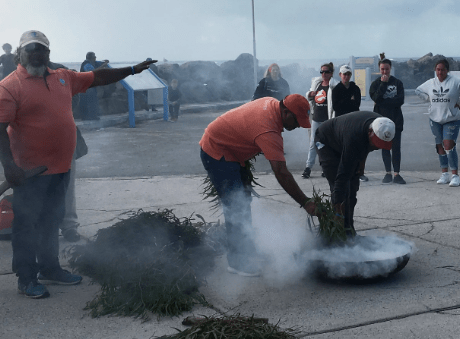
The sand at Wadjemup isn’t just shifting, it’s exposing. And what it’s exposing is a truth Australia has spent generations trying to smooth over with tourism brochures and beach photos.
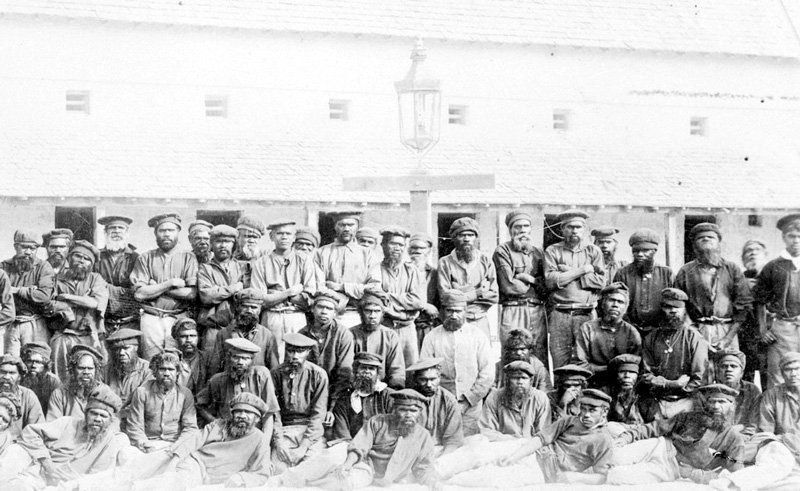
More potential burial sites have been identified on the island, and let’s be clear, this isn’t some shocking twist. It’s the inevitable result of digging into a place that functioned as a colonial prison where Aboriginal men and boys were locked away, worked, neglected, and left to die. The only surprise is how long it’s taken for people to stop pretending this ground wasn’t holding bodies.
From 1838 to 1931, Wadjemup wasn’t a getaway. It was a cage. Thousands of Aboriginal prisoners were shipped there under colonial rule, many never to return. Records were sloppy at best, indifferent at worst. Names were lost. Deaths were minimized. And the land was left to carry the weight of that neglect in silence, until now.
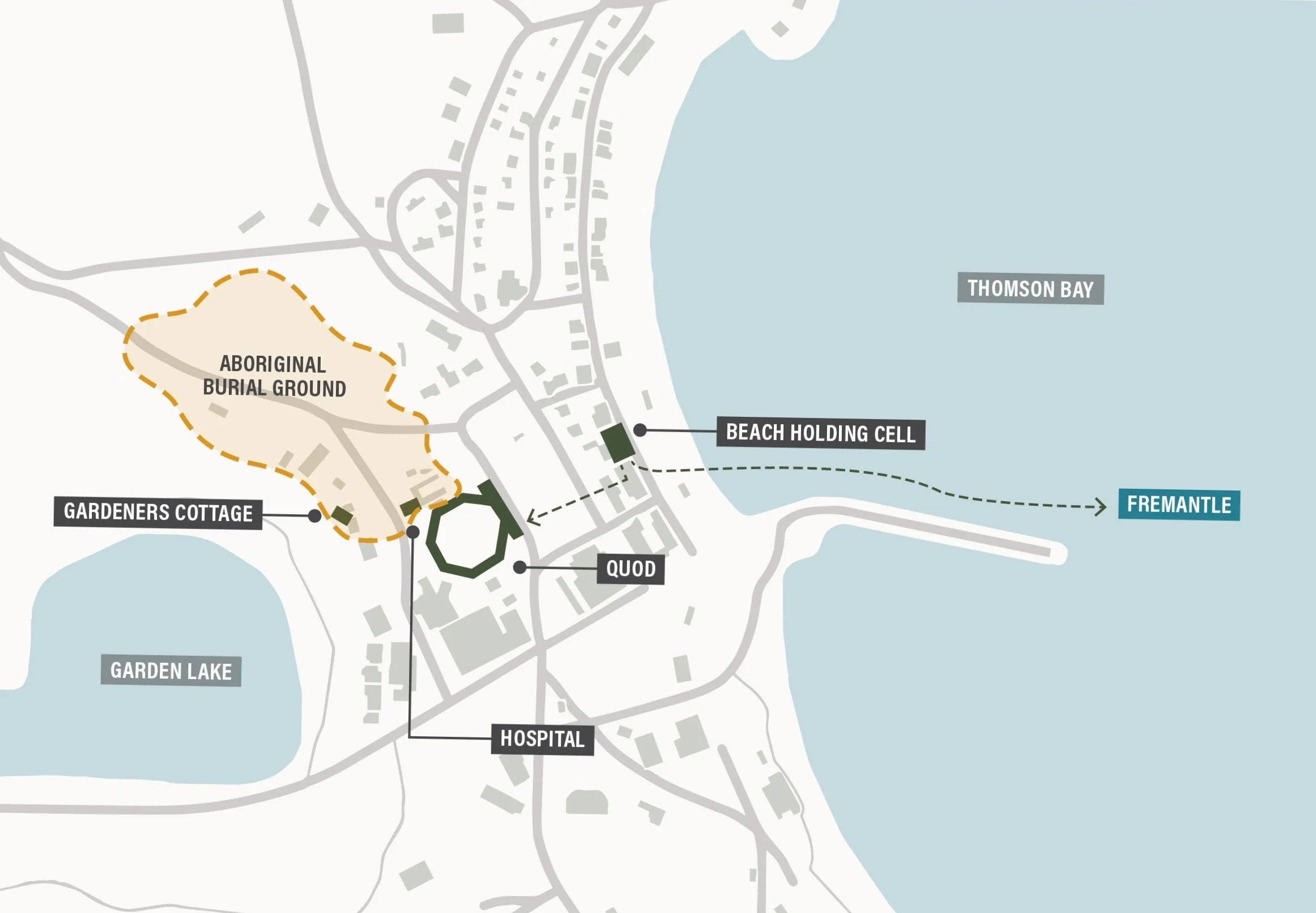
Every new burial site is another crack in the carefully managed story. This isn’t “history coming to light.” It’s history that was ignored finally refusing to stay quiet. For Indigenous families, this isn’t academic. It’s personal. It’s the possibility that ancestors were dumped into unmarked graves, denied ceremony, denied dignity, denied even the basic respect of being remembered properly.
And yet, somehow, this same island has been allowed to operate like none of that matters.
Tourists ride bikes across it. Selfies get taken. Quokkas become mascots. Meanwhile, beneath the surface, there are human remains tied to a system of incarceration and death that has never been fully accounted for. That contrast isn’t just uncomfortable. It’s insulting.
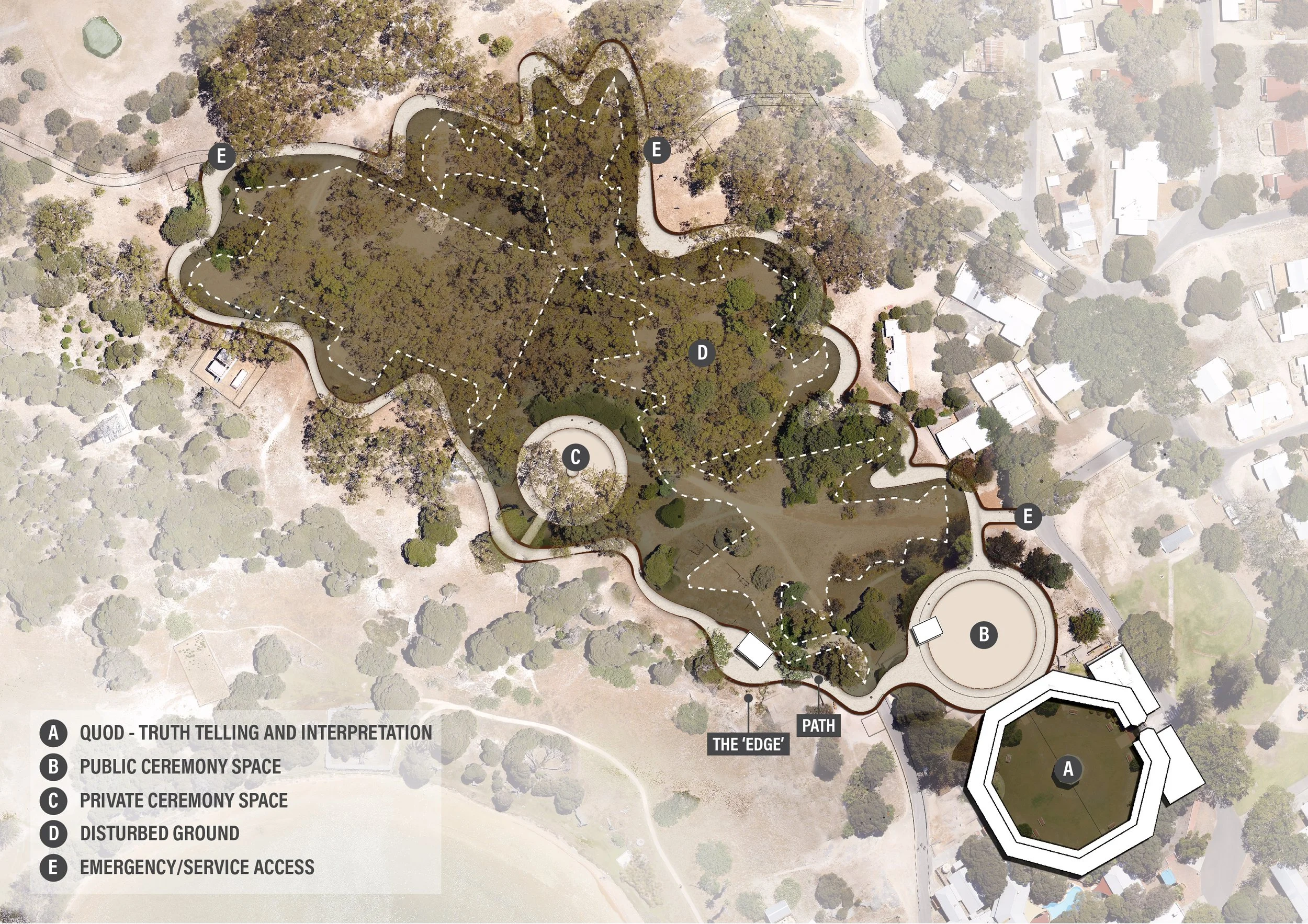
Because let’s stop pretending this is just about discovery. This is about neglect.
For years, Indigenous communities and advocates have been calling for proper investigations, for protection of burial grounds, for truth-telling that isn’t watered down to make anyone feel better. And for years, those calls have been met with slow movement, half-measures, and a reluctance to fully confront what Wadjemup represents.
Now the land is forcing the issue.
And the question becomes: how many more burial sites need to be found before this is treated with the seriousness it deserves?
Because finding them is only step one. What follows matters more. Will there be full, transparent investigations? Will Traditional Owners actually lead the process, not just be consulted after decisions are already made? Will parts of the island be restricted, protected, and treated as sacred rather than recreational?
Or will this become another cycle of headlines followed by silence?
There’s also a bigger hypocrisy sitting in plain sight. Australia continues to talk about reconciliation, about acknowledging the past, about moving forward together. But reconciliation without truth is just branding. And truth without action is just performance.
Wadjemup is a test of that.
You can’t market paradise on top of unmarked graves and expect the contradiction not to catch up with you. You can’t keep asking Indigenous communities to be patient while evidence of historical abuse literally rises from the ground.
At some point, the country has to decide what matters more: comfort or honesty.
Right now, the land has already made its choice.
It’s telling the truth.
The question is whether anyone in power is finally ready to listen.
—Vincent Willow, B1Daily





Leave a comment