—Terrence Dorner, B1Daily
The headlines are loud, almost theatrical: dozens of attacks, dozens of casualties, a province once again sliding into violence.
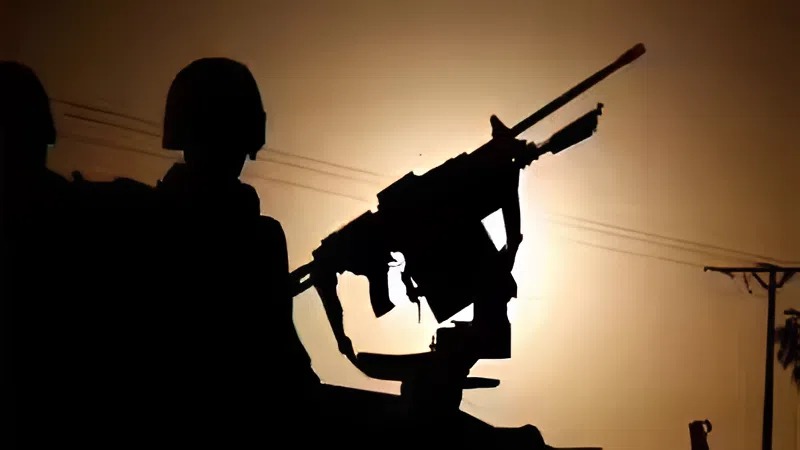
Reports citing the Baloch Liberation Army claim that 27 coordinated operations in Balochistan over a ten-day span resulted in the deaths of 42 Pakistani soldiers, marking a sharp escalation in the region’s long-running conflict.
But if you stare only at the smoke, you miss the fire underneath.
A Conflict Rooted in Extraction, Not Chaos
To understand why such attacks continue, you have to zoom out. Balochistan is not just another province. It is resource-rich, strategically vital, and historically marginalized.
For decades, Baloch nationalist groups have argued that the central government extracts gas, minerals, and wealth from the region while leaving local populations underdeveloped and politically sidelined.
From that perspective, the insurgency is framed not as senseless violence, but as resistance.
Fighters claim they are targeting military installations, convoys, and infrastructure tied to state control. In the most recent wave, tactics reportedly included ambushes, improvised explosive devices, and coordinated assaults on security posts.
This is not random. It is strategic. It is political. And it is decades old.
The Information War Behind the Numbers
Even the numbers themselves demand scrutiny. The reported 42 military deaths come from insurgent claims, not independently verified counts.
In past operations, militant groups have often reported higher casualty figures than official sources confirm, while governments have downplayed losses or emphasized militant casualties instead.
So what you’re seeing is not just a battlefield, but a narrative war. Each side shapes the story to serve its legitimacy.
Why the Insurgency Persists
The uncomfortable truth is this: insurgencies don’t survive this long without fuel. In Balochistan, that fuel includes:
Persistent economic inequality
Allegations of enforced disappearances and heavy-handed security operations
Limited political autonomy in a region rich with strategic resources
Whether one agrees with the methods or not, these conditions create a pipeline of grievance that no amount of military suppression alone has managed to close.
Violence Cuts Both Ways
None of this sanitizes the reality of what groups like the BLA have done. Attacks have targeted not only security forces but also civilians, infrastructure, and even educators in past incidents.
That duality is what makes the conflict so combustible. One side claims resistance. The other calls it terrorism. Civilians often sit in the blast radius of both narratives.
The Real Question
The latest wave of attacks is not just a spike in violence. It’s a signal. A reminder that unresolved political conflicts don’t disappear, they evolve, adapt, and resurface with sharper edges.
If anything, the escalation suggests that military responses alone are not addressing the underlying dispute. As long as questions over resource control, political representation, and regional autonomy remain unresolved, Balochistan will continue to generate headlines like this one.
Not because it is chaotic, but because it is contested.
—Terrence Dorner, B1Daily





Leave a comment