—Sylvester Loving, B1Daily
There’s a peculiar kind of fear that spreads when the words “mysterious virus” and “international cruise ship” appear in the same headline. It instantly summons memories of locked borders, masked airports, and frantic government press conferences delivered beneath fluorescent lights that always seem slightly too bright.
That’s precisely why renewed concerns surrounding Hantavirus have begun rattling nerves across Europe, South America, and beyond after a deadly outbreak aboard the MV Hondius cruise ship left multiple people dead and several others hospitalised. Health authorities from numerous countries are now scrambling to trace passengers and monitor potential exposure chains.
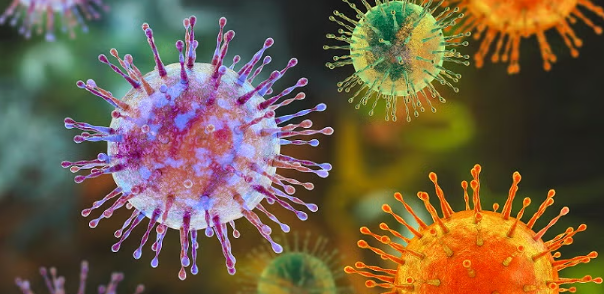
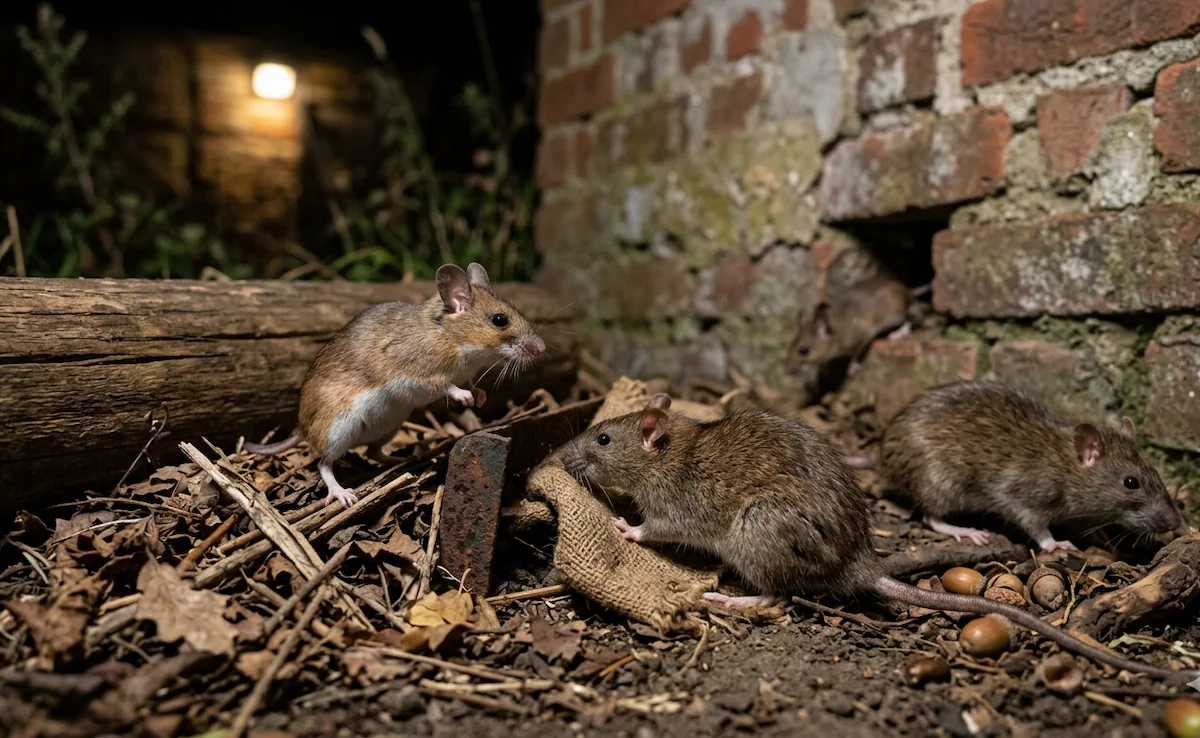
The virus at the centre of concern appears to be the Andes strain of Hantavirus, a particularly rare and dangerous variant largely associated with parts of Argentina and Chile. Unlike most hantaviruses, which primarily spread through contact with infected rodent droppings or urine, the Andes strain has demonstrated limited human-to-human transmission under very close-contact conditions. That distinction is exactly why international health agencies are taking this situation seriously.
Still, before the internet transforms this into “COVID 2: Rodent Boogaloo,” it’s worth slowing down and separating legitimate concern from apocalypse theatre.
Hantavirus is not new. Scientists have studied it for decades. In the United States alone, hundreds of confirmed cases have been documented since surveillance began in the early 1990s, particularly in southwestern states such as New Mexico.
The illness itself can be brutal. Early symptoms often resemble flu-like sickness: fever, fatigue, muscle aches, dizziness. But severe infections can escalate into Hantavirus Pulmonary Syndrome (HPS), where fluid floods the lungs and breathing becomes dangerously difficult. Mortality rates can be frighteningly high in severe cases, which explains why outbreaks generate immediate alarm among health officials.
Internationally, the current concern stems less from the raw number of cases and more from the setting. Cruise ships are essentially floating petri dishes with buffet lines. Hundreds of passengers from multiple countries sharing confined indoor spaces for weeks creates the sort of environment epidemiologists stare at with the same expression mechanics reserve for smoke pouring out of an engine.
Authorities across Europe, Africa, and the Americas are now coordinating contact tracing efforts involving passengers from more than 20 countries. Spain, the Netherlands, Switzerland, South Africa, and the United States have all reportedly become involved in monitoring or containment efforts connected to the ship.
Yet most experts are emphasising something important: this does not currently resemble the early stages of a globally explosive pandemic.
The World Health Organization has repeatedly stated that the broader public health risk remains low. Unlike airborne viruses that spread rapidly through casual interaction, hantavirus transmission typically requires direct exposure to infected rodent waste or prolonged close contact in rare Andes-strain cases.
In other words, you are not likely to catch hantavirus because someone sneezed near your Tesco meal deal.
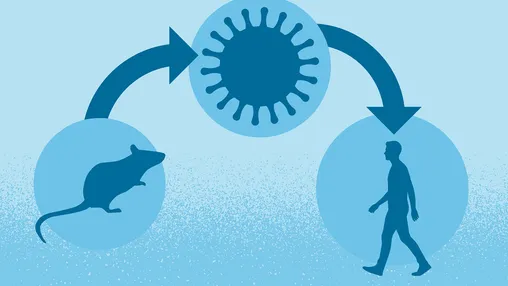
That said, the outbreak does highlight a larger international issue quietly brewing beneath the surface: zoonotic disease spillover. Scientists have warned for years that increasing human interaction with wildlife habitats, global tourism, urban expansion, and climate disruption create more opportunities for animal-borne diseases to jump into human populations. Hantavirus joins a growing rogues’ gallery that includes Mpox, Nipah virus, Marburg virus, and Crimean-Congo haemorrhagic fever.
The modern world moves very quickly. Faster than governments. Faster than healthcare systems sometimes. A virus that once remained isolated in remote rural regions can now hitch a ride across continents before symptoms even appear. The incubation period for some hantavirus infections may stretch several weeks, which is why authorities remain cautious despite relatively limited case numbers.
So, should people be worried?
Concerned? Reasonably so.
Panicked? Probably not.
For the average person, the greater danger still comes from everyday exposure risks: poorly ventilated rodent-infested areas, contaminated cabins, sheds, barns, or wilderness environments where infected droppings accumulate unnoticed. Good sanitation and rodent control remain the most effective protection.
At the moment, the hantavirus situation resembles a warning flare rather than a civilisation-ending siren. But it is also a reminder that nature occasionally taps humanity on the shoulder with a skeletal finger and whispers, “You lot still aren’t fully in charge here.”
And frankly, viruses do not care about passports, borders, or how tired the public may be of hearing about outbreaks.
—Sylvester Loving, B1Daily





Leave a comment