—Pratima Gadal, B1Daily
Singapore has decided it’s had enough of the great plastic-fuelled dopamine casino.
In a move now drawing international attention, the Singaporean government is preparing regulations targeting blind boxes and trading card packs amid growing fears that the products blur the line between collecting and gambling. The decision comes after months of debate surrounding so-called “gacha” mechanics, where buyers spend money on sealed products without knowing what they’ll receive inside.
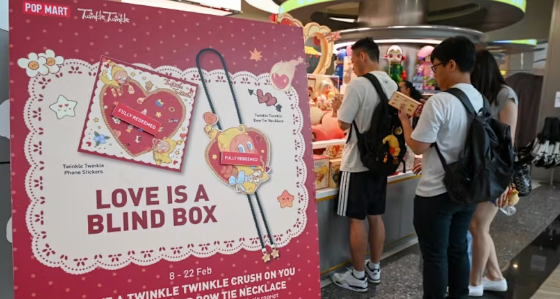
For years, blind boxes have exploded in popularity across Asia, Europe, and North America. Companies built billion-dollar empires selling mystery collectibles wrapped in colourful packaging and engineered suspense. One minute it’s a cute figurine. The next it’s adults queueing outside shopping centres at 5 a.m. hoping to pull a rare toy worth ten times retail price on resale markets.
Singapore’s Home Affairs Minister K Shanmugam made clear the government is not seeking an outright ban, but rather regulations aimed at reducing what officials describe as “gambling inducement risks.” Authorities are currently drafting rules that would apply not only to toy blind boxes but also trading card packs, including products similar to Pokémon cards and other high-demand collectible games.
That distinction matters.
Trading cards have increasingly transformed from harmless hobby culture into speculative mini-stock markets. Rare cards sell for thousands, sometimes millions, while social media influencers livestream pack openings like casino jackpots with anime soundtracks. The psychology is familiar: spend money, chase rarity, feel anticipation, repeat until wallet resembles a famine zone.
Singapore’s government appears deeply aware of this shift.
Officials are reportedly considering measures such as probability disclosures and safeguards aimed at preventing excessive spending, especially among minors. While exact rules remain under development, regulators insist the goal is proportional oversight rather than destroying collector culture entirely.
Internationally, Singapore’s move could become a blueprint.
Countries worldwide have spent years wrestling with loot boxes in video games, randomised online rewards, and gambling-adjacent monetisation systems aimed at younger audiences. Belgium and the Netherlands previously cracked down on some video game loot box systems, while China introduced restrictions on blind box sales to very young children.
Now physical collectibles are entering the crosshairs.
The concern is not simply that blind boxes exist. Humans have always enjoyed randomness. Football cards, Kinder Surprise eggs, capsule toys, carnival prizes, all operate on some version of uncertainty. The difference now is scale, monetisation, and engineered addiction loops. Modern blind box culture often combines artificial scarcity, social media hype, resale speculation, influencer marketing, and rapid-fire purchasing behaviour into one glitter-coated machine designed to keep consumers chasing the next “rare pull.”
And business is booming.
The global blind box market is projected to grow rapidly throughout the next decade, with Asia-Pacific expected to remain the fastest-growing region. Companies like Pop Mart have transformed mystery toys into luxury-tier collectibles with devoted fanbases stretching from Singapore to Los Angeles.
But critics argue that the industry increasingly resembles gambling wrapped in kawaii aesthetics.
That criticism becomes louder when children are involved.
Psychologists and consumer advocates have repeatedly warned that repeated reward-chasing behaviour tied to randomised purchases can mirror the same neurological reward systems associated with gambling addiction. The flashing excitement of “opening packs” or hunting “ultra rare” items creates an emotional loop that companies have become exceptionally skilled at monetising.
Singapore’s government seems determined not to wait until the problem spirals further.
Importantly, the country is attempting to walk a careful tightrope. Officials specifically stated sellers would not be forced to open products and sell contents individually, as that would effectively eliminate blind boxes entirely. Instead, regulators appear focused on reducing exploitative mechanics while allowing legitimate collecting hobbies to continue.
Whether that balance is actually possible remains the billion-dollar question.
Collectors argue blind boxes are simply entertainment and no different from older hobbies built around rarity. Critics counter that modern blind box ecosystems are engineered using behavioural psychology powerful enough to turn casual buyers into compulsive spenders.
The truth probably lives somewhere in the middle, awkwardly sitting between nostalgia and neuroscience.
Still, Singapore’s actions may mark the beginning of a much larger international reckoning. Governments around the world are beginning to realise that the gambling industry no longer only lives inside casinos and betting apps. Sometimes it arrives wearing a cute smile, hidden inside a tiny foil package beside the cashier counter.
And increasingly, regulators are starting to notice the odds.
—Pratima Gadal, B1Daily






Leave a comment