—Barrington Williams, B1Daily
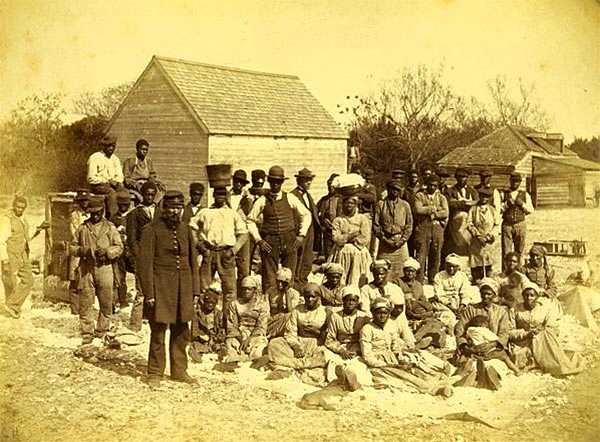
Most Americans grow up learning about slavery through the lens of the transatlantic slave trade’s impact on the U.S., cotton fields, plantations, and the Civil War. But the brutal reality is that North America was a minor destination compared to the staggering numbers of enslaved Africans shipped to the Caribbean and South America.
Of the estimated 12.5 million Africans forced across the Atlantic, only about 400,000 (roughly 3-4%) were brought to what is now the U.S. The rest, over 90%, were funneled into the sugar, coffee, and mining economies of Brazil, the Caribbean, and Spanish colonies.
Why the Disparity?
1. Sugar vs. Cotton: The Caribbean and Brazil were built on sugar plantations, which demanded far more labor than North American tobacco or cotton. Enslaved people in these regions faced horrific mortality rates, many died within a few years due to overwork, disease, and brutal conditions. This created a constant demand for fresh captives.
2. Disease & Death Rates In places like Barbados or Saint-Domingue (Haiti), enslaved populations rarely reproduced naturally due to grueling conditions. In contrast, North American slavery (while still brutal) had lower mortality rates, allowing the enslaved population to grow through births rather than constant imports.
3. European Colonial Priorities: Spain and Portugal (later Brazil) dominated the early slave trade, while British North America was a secondary market. By the time the U.S. banned the importation of enslaved people in 1808, the Caribbean and South America had already absorbed millions.
The Hidden Legacy: Freedmen and Indigenous Ancestry
Because the U.S. received so few direct African arrivals, many Black Americans today descend from ancestors who had been in North America for generations, long enough to intermix with Indigenous communities, particularly in the Southeast.
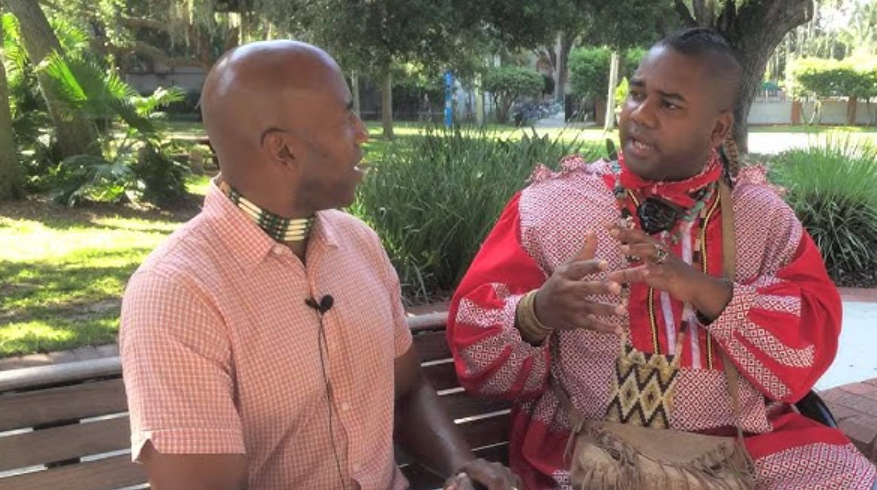
Enslavement, displacement, and intermarriage between Black and Native people (especially among tribes like the Cherokee, Choctaw, and Seminole) created a unique genetic and cultural blend.
Of the estimated 12.5 million Africans forced across the Atlantic, only about 400,000 (roughly 3-4%) were brought to what is now the U.S.
This history explains why DNA tests often reveal Native ancestry among Black Americans, not from distant “Cherokee princess” myths, but from real survival alliances, resistance, and family bonds forged in the shadow of slavery. Meanwhile, descendants of the Caribbean and South American slave trade often have far stronger direct African lineage, as their ancestors arrived later and in greater numbers.
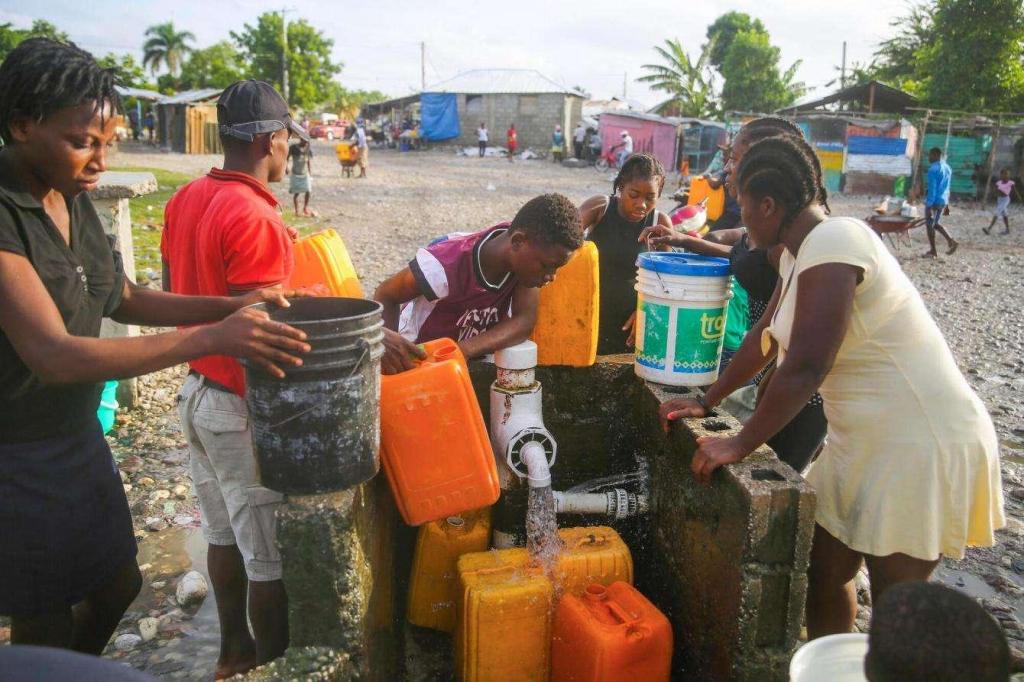
The U.S. narrative of slavery often centers on its own history, but the true scale of suffering happened elsewhere. Recognizing this shifts our understanding of the African diaspora, and why Black identity looks different in Jamaica, Brazil, or Haiti than it does in Georgia or Alabama. The past isn’t just what happened to “us”; it’s a global story of survival, resilience, and stolen lives scattered across continents.
—Barrington Williams, B1Daily




Leave a comment