—Kel McKnight, B1Daily
Some comics you read once and move on. Tuskegee Heirs is not built for that. This one sticks with you, hangs in your head, and honestly feels bigger than panels and pages.
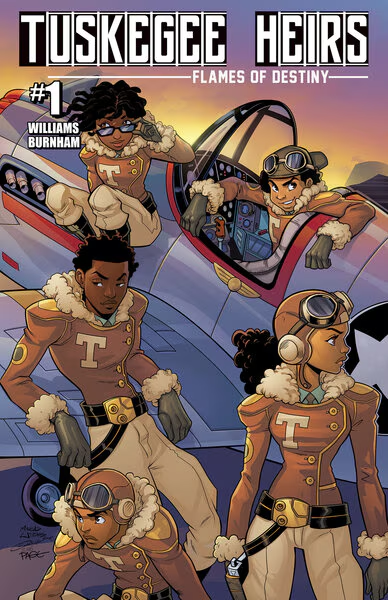
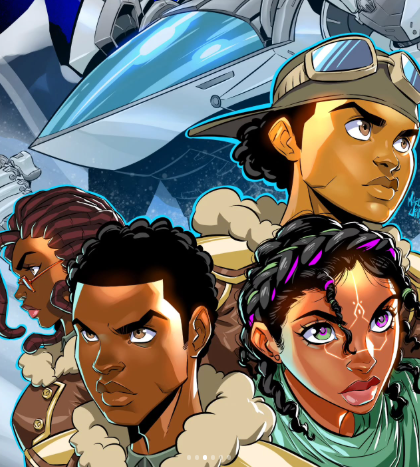
Created by Greg Burnham, the story follows a new generation of elite Black pilots stepping into the legacy of the Tuskegee Airmen. And yeah, on the surface, that already sounds cool. Fighter jets, high-stakes missions, all that energy. But what really makes it hit is the weight behind it.
As a fan, that’s the part that sneaks up on you. These characters aren’t just flying, they’re carrying history whether they say it out loud or not. Every move they make feels connected to something older, something earned the hard way. It’s not preachy about it either. The comic just moves, and you feel the legacy baked into everything.
That’s where it really connects to Freedmen history. The descendants of formerly enslaved people didn’t just inherit struggle, they inherited drive, expectation, and a need to prove themselves in spaces that weren’t built for them.
Tuskegee Heirs taps into that without turning it into a lecture. It just shows you: these pilots belong here. No debate.
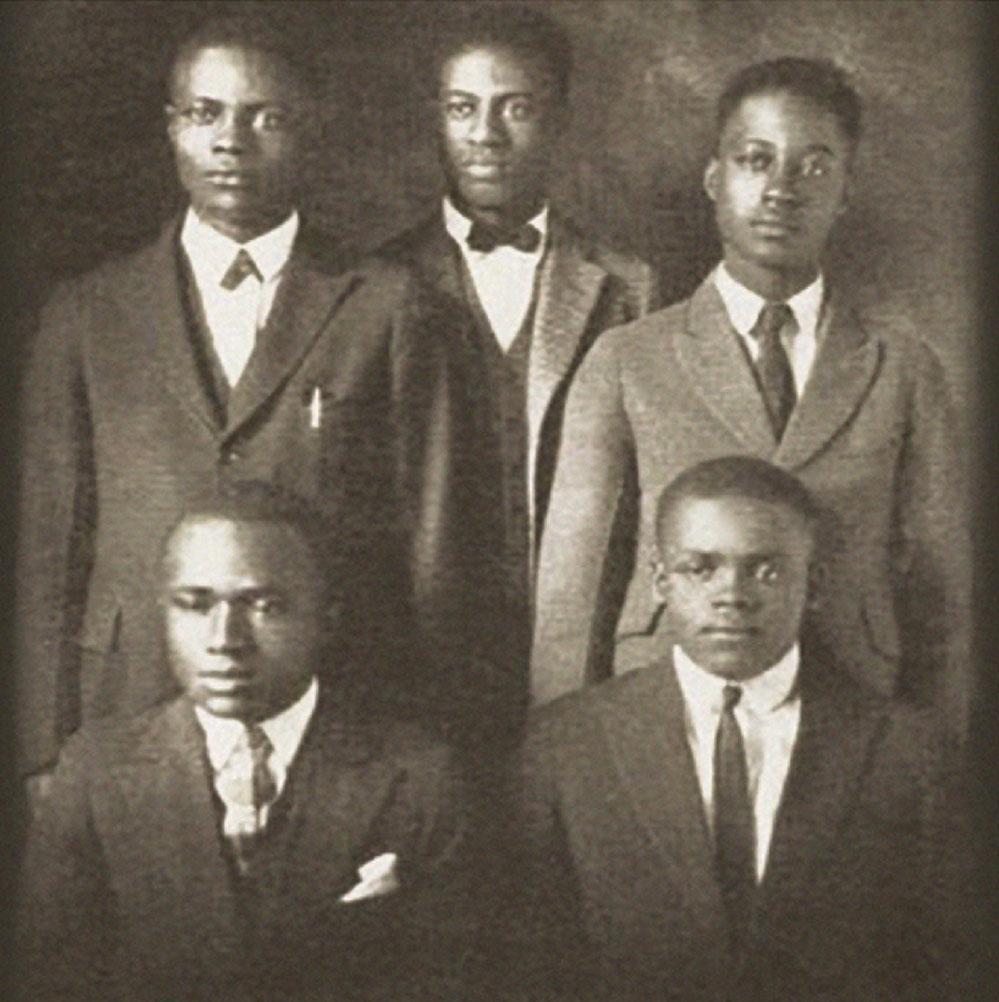
The original Tuskegee Airmen had to break through straight-up barriers, racism, doubt, systems designed to keep them grounded. This comic takes that energy and pushes it forward. It’s not stuck in the past. It’s asking, “What does that legacy look like now?” And the answer is fast, confident, and unapologetic.
From a fan perspective, that confidence is everything. The book doesn’t slow down to explain why this matters. It assumes you either get it or you’re about to. That kind of storytelling hits different. It feels less like it’s asking for approval and more like it’s claiming space.
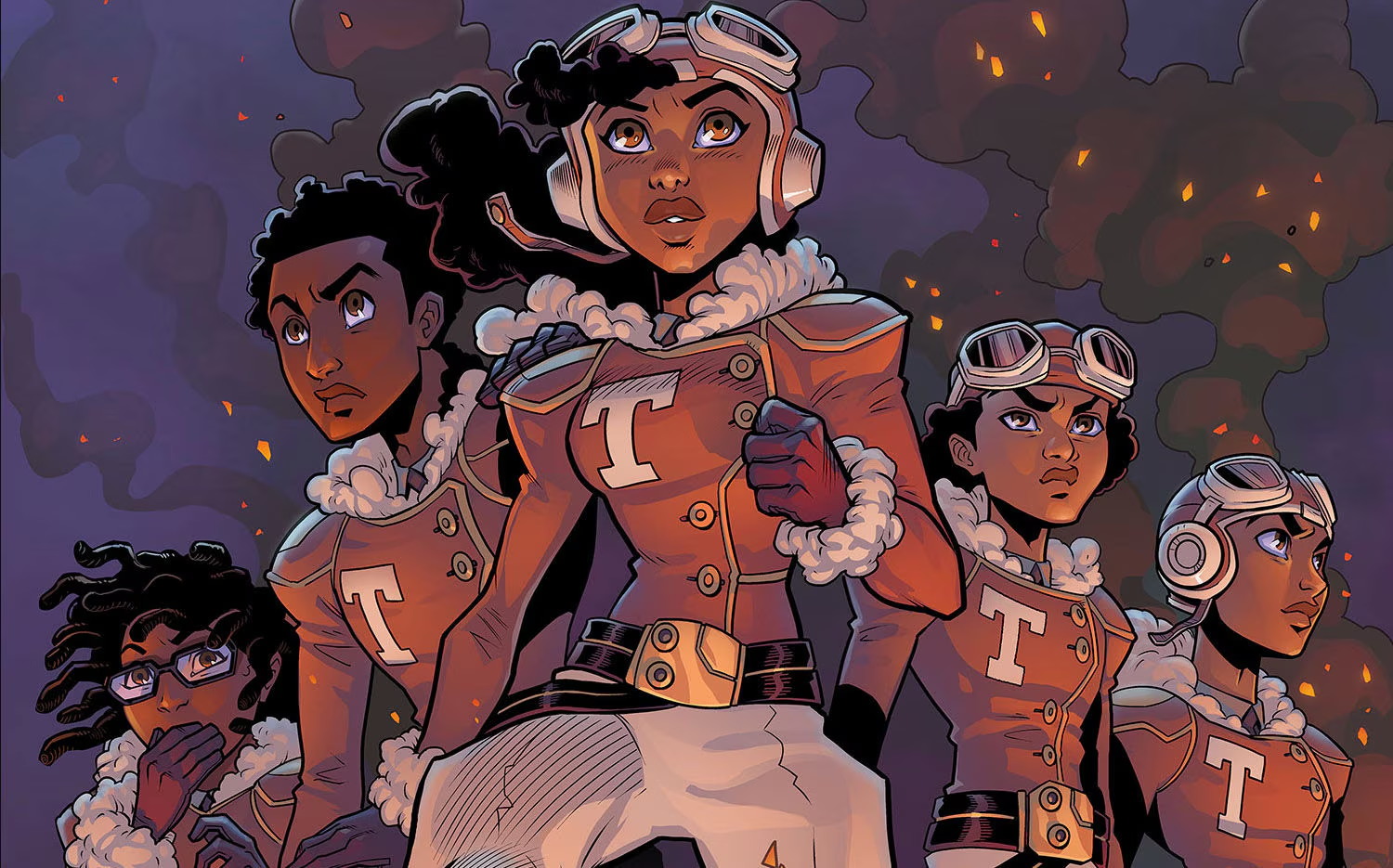
And the visuals? Clean, sharp, and full of motion. The jets don’t just sit there, they rip through the sky. You can feel the speed, the control, the precision. It matches the tone perfectly.
What really sticks, though, is how it balances pride and progress. It respects where things started but doesn’t stay there. For Freedmen descendants especially, that matters. It’s not just about looking back, it’s about seeing what that legacy grows into.
Reading “Tuskegee Heirs” feels less like checking out a comic and more like tapping into something ongoing. Something still building.
And yeah, it just feels right.
—Kel McKnight, B1Daily



Leave a comment