
—Jaheim Rockwell
There’s a whole lane of rap right now that sound like it was made inside a neon gas station at 2 a.m. All bass, all rage, all algorithm food.
Then you got Witchitaw Slim sliding through the speakers, bringing warmth back into the room. His music ain’t screaming for attention. He lingers. It creeps up on you. It got that “ride home after the function” energy where your mind start replaying old conversations and unfinished dreams.
Through his catalog on Epidemic Sound, Witchitaw Slim been crafting a style that feels stitched together from soul samples, laid back Southern wisdom, church-house memories, and dusty rap tapes somebody’s uncle kept in a shoebox under the bed.
Tracks like “Slimulation,” “That’s All,” and “Float Walls” carry this dreamy, reflective atmosphere where the beats drift instead of explode.
What makes Slim stand out is how naturally he blends soul music textures into modern rap without sounding fake-deep or overly polished. A lot of artists try to force “conscious vibes” onto trap drums and end up sounding like motivational speakers with Auto-Tune. Slim don’t got that problem. His records breathe. They moan. They stretch out like late-night conversations on a porch while the city finally quiet down.
You can hear traces of gospel emotion in his delivery too, which makes sense considering he described one of his earliest musical memories as hearing church choirs on Sunday mornings growing up in Selma.
That spiritual undertone never fully leaves his music. Even when the production leans toward alternative hip-hop or lo-fi trap, there’s still this ache underneath it all, like somebody trying to survive without letting the world harden their spirit completely.
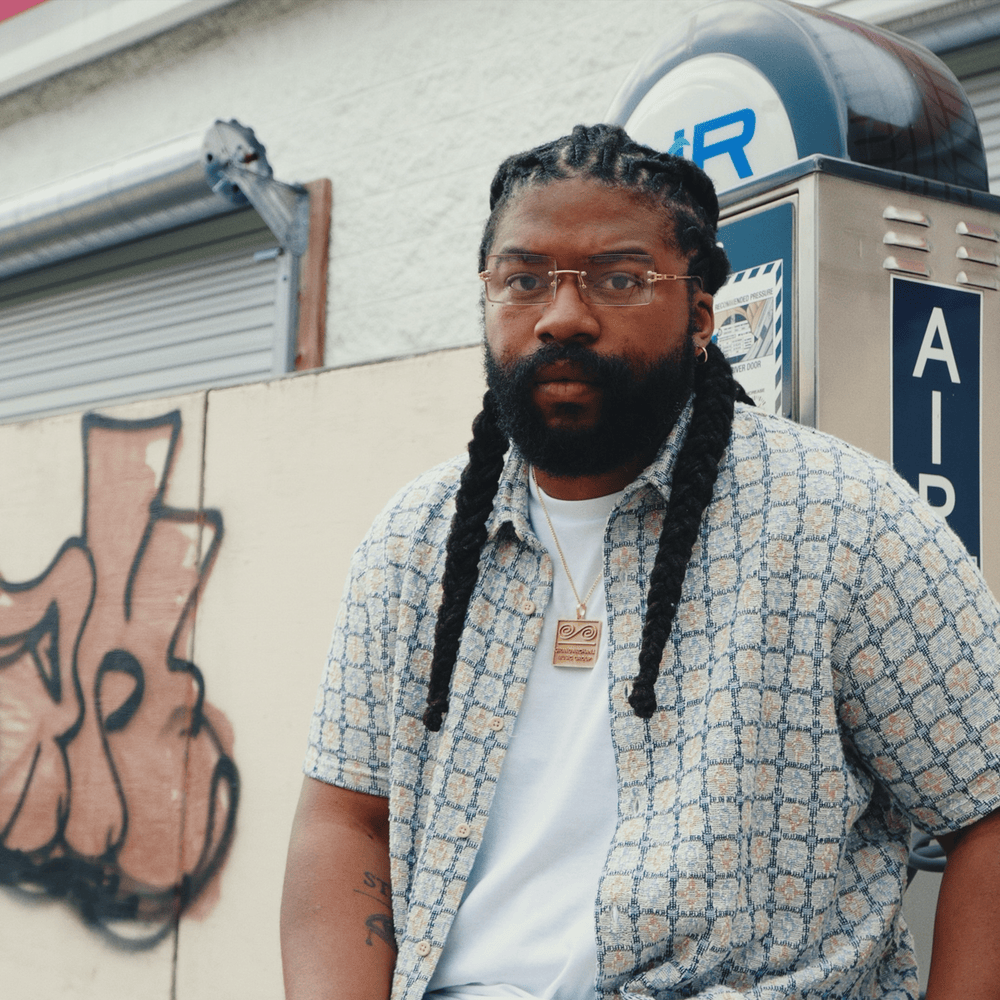
And that’s the key difference. Witchitaw Slim raps like somebody who still feels things deeply in an era where emotional numbness became a marketing strategy.
His collaborations also show how flexible his sound can be. Whether he’s floating across atmospheric production with artists like King Sis or weaving through darker trap production with producer Dylan Sitts, Slim keeps this grounded humanity in the music. He never sounds like he chasing trends. He sounds like he building mood worlds.
That’s rare now.
Too much rap today feel manufactured inside playlist laboratories where every song engineered for fifteen-second clips and fake viral dances. Witchitaw Slim’s music feel patient instead. Soulful instead. Like he care more about atmosphere than antics.
There’s also something important about the fact that Slim’s sound doesn’t come from the usual rap industry power centers. Hip-hop history too often acts like creativity only exists in places like Atlanta, New York, or Los Angeles. But artists from overlooked regions always bring different textures because they aren’t trapped inside the same industry echo chambers. Slim’s music carries that outsider spirit.
It’s polished enough to compete but still rough around the edges in the right ways, like vinyl crackle left intentionally inside the beat.
His music isn’t trying to bully the listener. It’s trying to haunt them.
And in a rap landscape packed with noise pollution and copy-paste aggression, that kind of soulful restraint feels almost revolutionary.
—Jaheim Rockwell





Leave a comment