—Kerry Hill, B1Daily
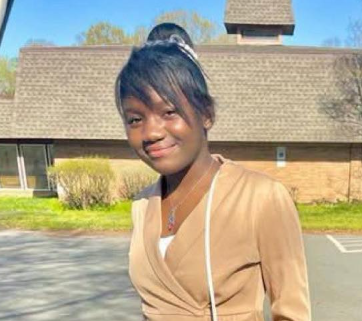
A North Carolina community already exhausted by rising violence and missing-child cases has been shaken again after 16-year-old Juliana Nzita, who vanished in late April, was reportedly found dead under circumstances that have triggered outrage, grief and growing demands for accountability.
According to reports circulating through local media and community outlets, Juliana was first reported missing on April 28. For weeks, family members and supporters pushed her image across social media timelines, hoping the teenager would be found alive. Instead, the search ended in tragedy after authorities confirmed a body believed to be Juliana had been recovered.
The case spread rapidly online after The NC Beat Facebook Post shared news of the discovery, igniting emotional reactions from residents demanding justice and more urgency around missing Black children and teens.
As of now, investigators have released limited official details surrounding the circumstances of Juliana’s death. Authorities have not publicly outlined whether foul play has been formally confirmed, whether suspects are in custody, or where exactly the teen was discovered. That information vacuum has only intensified speculation and frustration online.
What remains undeniable is the emotional devastation left behind. Community members flooded comment sections with anger over how often missing teens disappear into a cycle of delayed media attention, fragmented searches and fading public awareness unless social media forces the issue into the spotlight.
Cases involving missing Black girls frequently receive less sustained national media coverage than comparable cases involving white victims, a disparity researchers and activists have documented for years. Juliana’s death is now becoming another painful symbol in that wider conversation.
The emotional weight of the case has been especially heavy because of Juliana’s age. Sixteen years old. Old enough to dream about adulthood, yet still young enough to legally need protection from the adults and dangers surrounding her. Instead, her disappearance ended with another grieving family preparing for burial arrangements instead of a reunion.
Investigators are expected to release additional information following autopsy results and forensic review. Until then, the case remains clouded by unanswered questions, internet speculation and raw public anger.
For many in the community, the tragedy feels larger than one case. It reflects a growing fear that vulnerable teenagers can disappear for weeks while systems designed to protect them move far too slowly, leaving families to become their own investigators, advocates and search teams in real time.
Now, a family that once begged the public to help bring Juliana home is instead left asking for justice.
—Kerry Hill, B1Daily



Leave a comment