—Michael Lyles, B1Daily
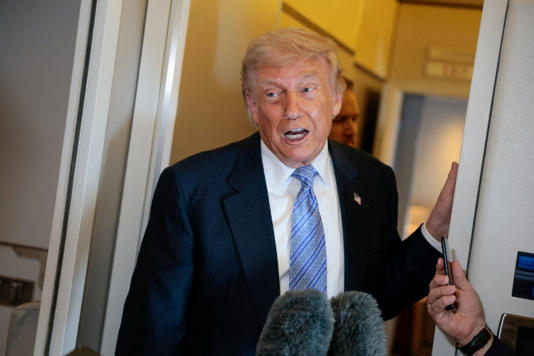
In a functioning democracy, the president is not supposed to be above the law. In modern America, however, the line between public office and personal protection racket keeps dissolving like sugar in hot coffee. This week, that erosion accelerated after the Justice Department announced a stunning settlement agreement that would permanently block the IRS from auditing tax claims involving President Donald Trump, his family, and affiliated businesses tied to filings made before the agreement’s implementation.
The deal is extraordinary not merely because of its legal scope, but because of what it symbolizes: the normalization of presidential self-protection through state power. Critics across the political spectrum are calling it unprecedented, with some ethics experts warning that America is drifting into dangerous territory where wealthy political elites can negotiate immunity frameworks unavailable to ordinary citizens.
The settlement stems from Trump’s $10 billion lawsuit against the IRS over leaked tax return information connected to former contractor Charles Littlejohn. In exchange for dropping the lawsuit, the administration established a nearly $1.8 billion “Anti-Weaponization Fund” while also adding language that “forever bars” the IRS from pursuing examinations or reviews tied to Trump’s prior tax filings.
That phrase, “forever barred,” has detonated alarm bells inside legal and political circles because it effectively creates a protective shield around one of the most scrutinized political figures in modern American history. Former IRS officials reportedly warned that the agreement could undermine the integrity of tax enforcement by suggesting political influence can override independent oversight.
The deeper issue here is not whether someone likes or dislikes Trump politically. The issue is structural. America’s tax system depends entirely on the idea that enforcement applies equally to everyone, from warehouse workers to billionaires. Once the public sees political power creating escape hatches for elites, faith in the entire system begins to rot from the inside out like a termite-infested foundation hidden beneath patriotic wallpaper.
Critics argue the arrangement resembles something closer to oligarchic governance than constitutional accountability. After all, Trump is simultaneously the head of the executive branch while negotiating legal outcomes involving agencies under executive authority. That overlap has fueled accusations of collusion and abuse of power from watchdog groups and Democratic lawmakers alike.
The controversy also revives old questions surrounding Trump’s taxes that have followed him since the 2016 election. Unlike every major-party presidential nominee for decades, Trump refused to voluntarily release his tax returns during his campaigns, repeatedly citing ongoing audits as justification even though the IRS itself confirmed no law prevented him from making them public.
Congressional investigations later found that mandatory IRS audits of Trump during his presidency were delayed or incomplete, adding fuel to suspicions that political interference already existed inside the system long before this settlement emerged.
Now critics fear the new agreement cements that interference into official precedent. If future presidents can use executive leverage to neutralize investigations into their finances, America risks creating a two-tier justice system where ordinary citizens face aggressive enforcement while political dynasties negotiate immunity behind closed doors.
Supporters of Trump argue the settlement is justified because the original leak of his tax information was unlawful and politically motivated. They frame the agreement as compensation for years of institutional targeting and partisan prosecution. Yet even some conservatives uncomfortable with federal overreach have reportedly questioned whether the government should possess the authority to permanently waive future tax scrutiny for any president or political family.
The political fallout may stretch far beyond Trump himself. Democrats are already warning that the agreement could trigger constitutional challenges, congressional investigations, and new ethics legislation aimed at preventing presidents from benefiting financially or legally from settlements involving agencies they oversee.
At its core, this controversy is about whether institutions still matter when power becomes concentrated enough. The IRS audits millions of ordinary Americans with ruthless efficiency every year. People lose homes, businesses, savings, and freedom over tax disputes. Yet the wealthiest and most politically connected figures increasingly appear capable of negotiating entirely different realities for themselves.
America once sold itself as a republic governed by laws instead of kings. Deals like this make that promise look shakier by the day.
—Michael Lyles, B1Daily





Leave a comment