—Terrence Dorner, B1Daily
When America talks about its wars, it likes clean uniforms and heroic myths. It likes bugles, flags, and speeches about “freedom.” What it does not like discussing are the moments when its own soldiers looked at the battlefield, looked at the people they were ordered to crush, and realized they had more in common with the colonized than the colonizer.
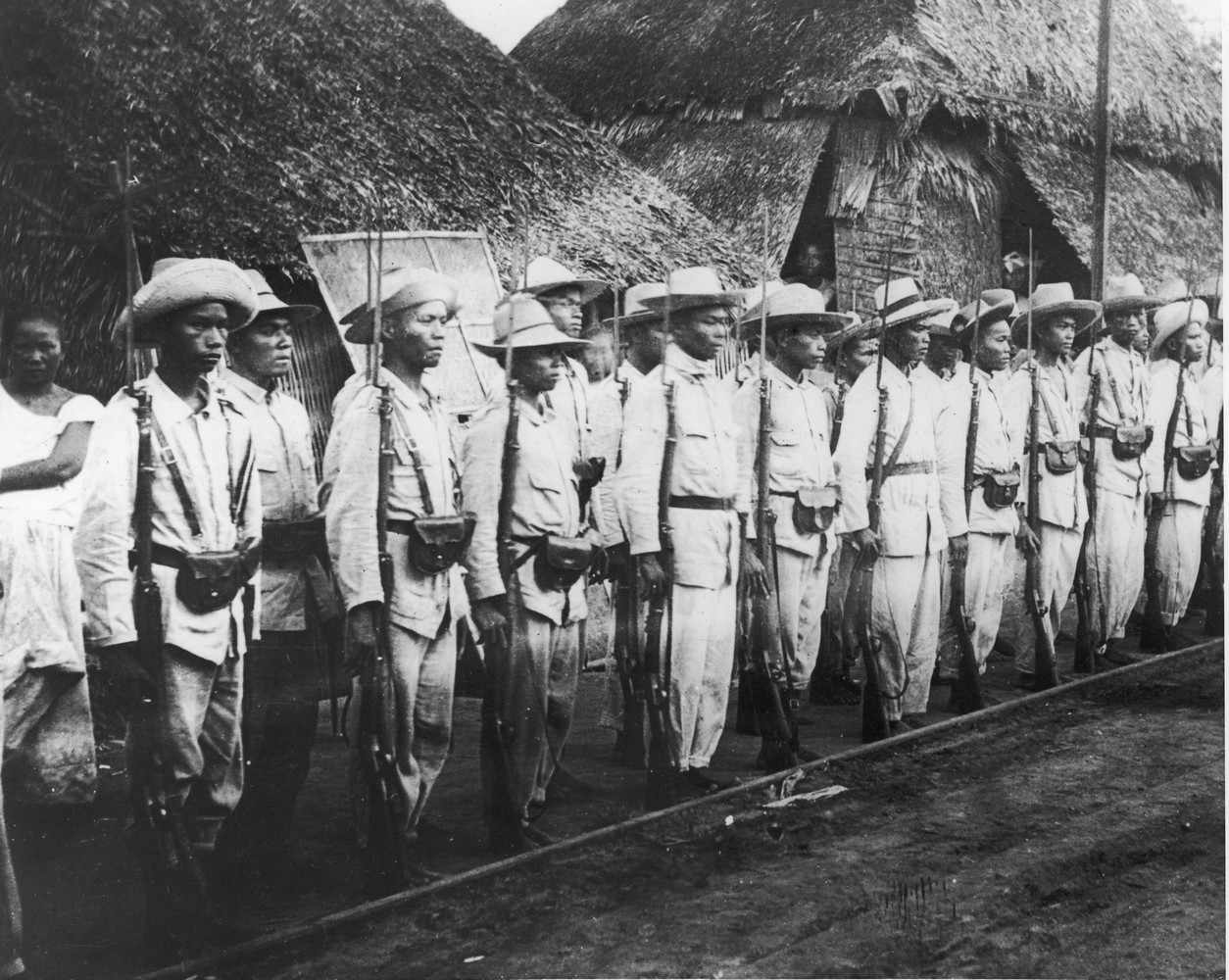
That happened during the Philippine-American War, a brutal conflict that erupted after the Spanish-American War. The United States had presented itself as a liberator helping Filipinos overthrow Spanish rule. Instead, America seized the Philippines for itself, igniting a savage counterinsurgency campaign that killed hundreds of thousands of Filipinos through warfare, famine, and disease.
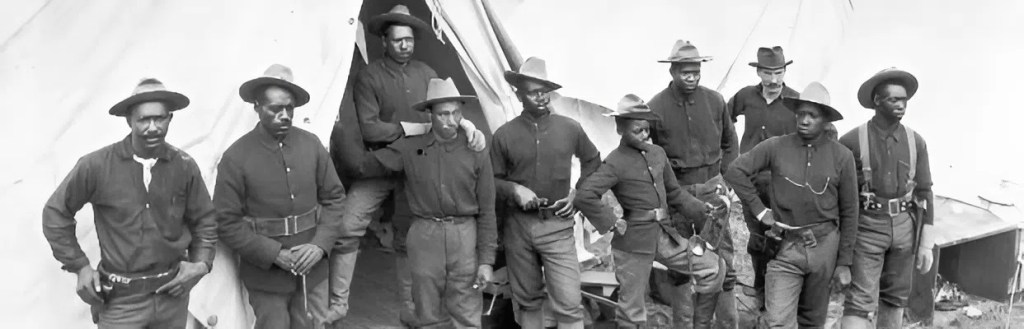
For many Black soldiers stationed there, the hypocrisy was impossible to ignore.
Back home, Black Americans were being lynched, segregated, disenfranchised, and hunted by white mobs during the rise of Jim Crow.
Then the U.S. government shipped Black troops across the ocean and told them to “civilize” brown people fighting for independence. The contradiction was so glaring it practically screamed through the jungle humidity.
White soldiers called the conflict the “Nigger War,” using the same racist logic against Filipinos that was already being used against Black people in America. White soldiers and officers frequently referred to Filipinos with anti-Black slurs, openly comparing them to Black Americans as justification for violence. The empire’s language was blunt: nonwhite resistance itself was treated as a threat requiring extermination.
And then there was David Fagen.
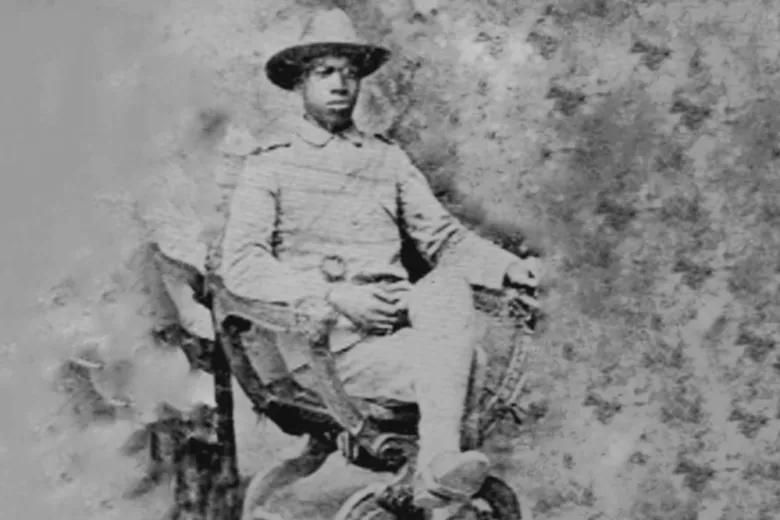
Fagen’s story sounds like something Hollywood would water down because the truth feels too explosive.
White soldiers and officers frequently referred to Filipinos with anti-Black slurs, openly comparing them to Black Americans as justification for violence.
Born in Florida and serving as part of the famed Buffalo Soldiers, Fagen defected from the U.S. Army in 1899 and joined the Filipino resistance led by General José Alejandrino and forces loyal to Emilio Aguinaldo.
But Fagen did not simply disappear into the jungle. He became a symbol of rebellion against American imperialism itself.
American newspapers portrayed him like a nightmare figure. A traitor. A renegade. A Black man with military expertise now aiding anti-colonial fighters against the United States. To white America, that image carried a special kind of terror.
Reports from the time indicate Fagen helped Filipino fighters understand American military strategy and tactics, using his experience as a U.S. soldier to strengthen resistance efforts. He reportedly became highly respected among Filipino revolutionaries, eventually rising to the rank of captain in the guerrilla forces.
Imagine the symbolism of that moment.
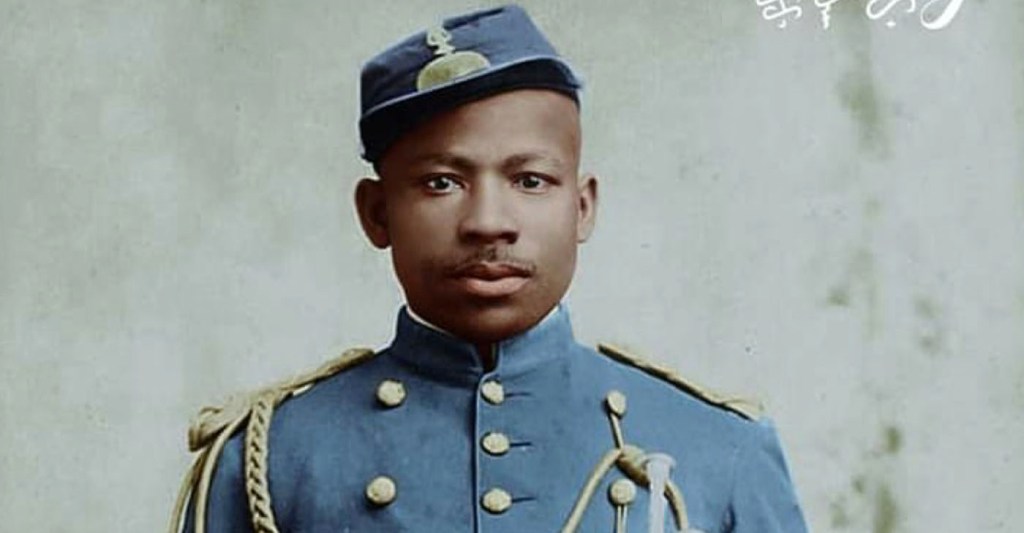
A Black American soldier, born in a country that treated him as disposable, crossing battle lines to stand with another oppressed people resisting empire. It shattered the fantasy that loyalty automatically belonged to the flag.
And Fagen was not alone.
More than a dozen Black soldiers are believed to have defected during the war, though exact numbers remain debated by historians. Others openly questioned the conflict in letters home. Black newspapers across America condemned the war and highlighted the parallels between racial violence in the South and U.S. brutality overseas.
The Black press saw clearly what many white Americans refused to acknowledge: imperialism abroad and white supremacy at home were twin engines running on the same fuel tank.
One Black soldier reportedly wrote that Filipinos were “all right” and only wanted freedom, while another noted the disturbing similarities between the racism directed at Filipinos and the racism inflicted on Black Americans in the United States. These observations were politically dangerous because they threatened the moral mask America wore while expanding its empire.
The U.S. military became obsessed with capturing Fagen. Newspapers sensationalized him constantly, turning him into a ghost story for white readers uncomfortable with the idea of Black international solidarity. Eventually, reports surfaced claiming he had been killed, though historians still debate the exact circumstances surrounding his death. Like many revolutionary figures, Fagen drifted into the fog between documented history and legend.
But the fear he inspired was real.
Because David Fagen represented something America has always struggled to contain: oppressed people recognizing each other across borders.
The Philippine-American War itself remains strangely absent from mainstream American memory despite its staggering brutality. Water torture, concentration camps, village burnings, and mass civilian deaths stained the conflict. Yet it is often treated like a historical footnote rather than one of the clearest early examples of America flexing imperial muscle on the global stage.
Black soldiers who resisted that project complicated the patriotic script. Their existence raises uncomfortable questions that still echo today. What happens when the people asked to enforce empire begin identifying with those resisting it? What happens when racism at home destroys the moral authority needed to sustain wars abroad?
David Fagen answered those questions with action instead of speeches.
He crossed the line.
And over a century later, America still doesn’t quite know what to do with that memory.
—Terrence Dorner, B1Daily



Leave a comment