—Michael Lyles, B1Daily
Across Africa’s vast geography, the most expensive distance is often not physical, but bureaucratic.
A traveler moving from Lagos to Nairobi, or Accra to Kigali, may find themselves routed through Europe or the Middle East because of fragmented air agreements, inconsistent visa regimes, and underdeveloped direct connectivity between African states. The result is a continent that is economically adjacent, but operationally disconnected.
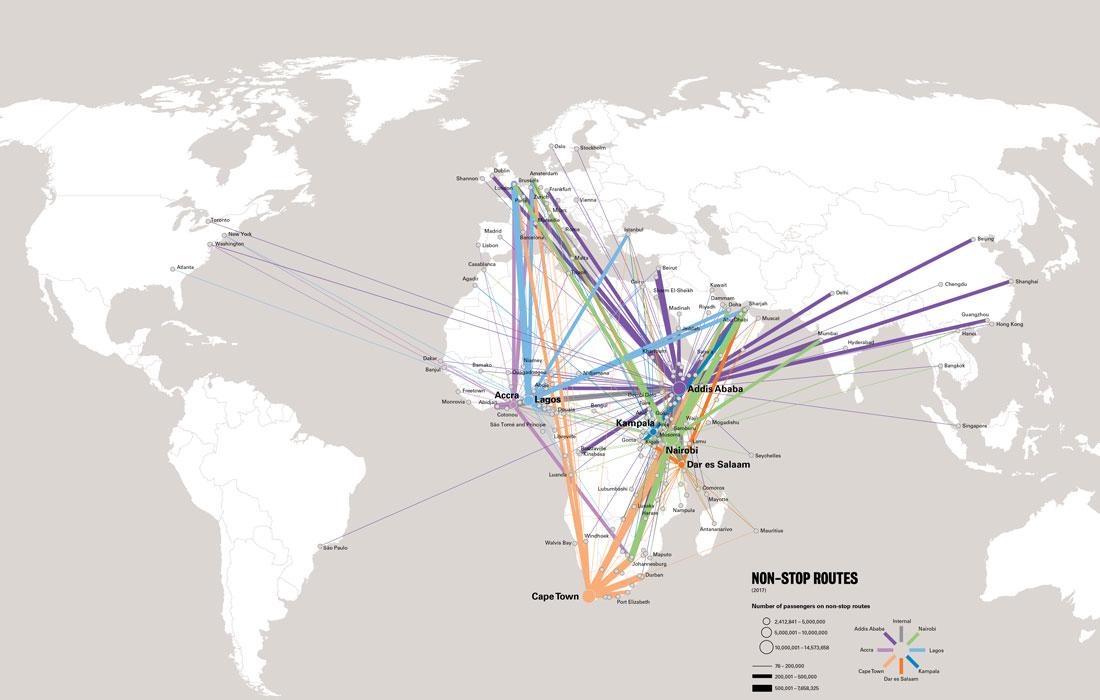
At the center of ongoing reform efforts is the African Union, which has long pushed initiatives like the Single African Air Transport Market (SAATM) and the Yamoussoukro Decision, both aimed at liberalizing air travel across the continent. The goal is simple in concept but complex in execution: treat Africa less like a patchwork of isolated aviation markets and more like a unified airspace.
The economic argument for dismantling intercontinental travel barriers is increasingly difficult to ignore.
Aviation is not just transportation. It is infrastructure for trade, tourism, labor mobility, and foreign investment. When flights are indirect, expensive, or limited by restrictive bilateral agreements, the cost is measured not only in ticket prices, but in lost business deals, delayed supply chains, and reduced regional integration.
One of the clearest opportunities lies in airline consolidation and cooperation.
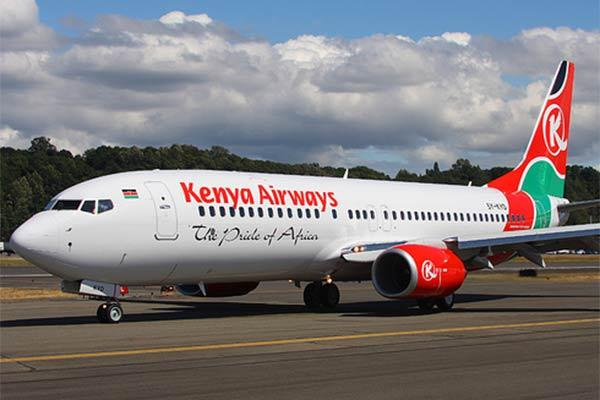
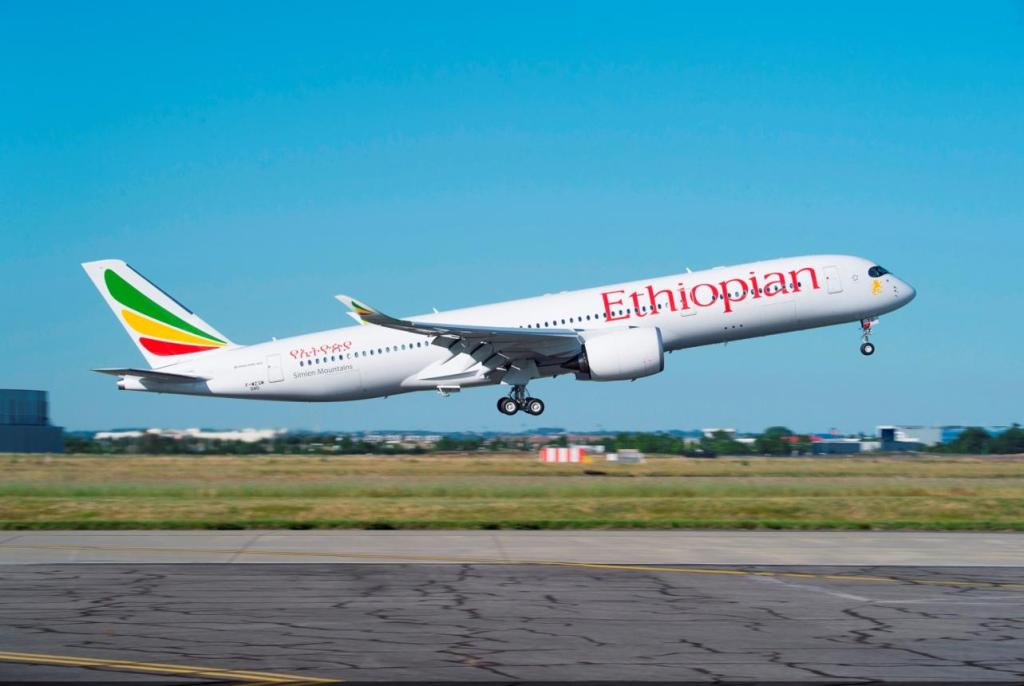
Instead of dozens of under-capitalized national carriers competing on thin margins, a more integrated system could strengthen major regional airlines such as Ethiopian Airlines, Kenya Airways, and RwandAir. These airlines already function as de facto regional hubs, but their growth is often constrained by protectionist policies, limited route access, and overlapping national regulations.
In a more unified air market, consolidation or strategic alliance expansion could allow African carriers to achieve economies of scale currently dominated by global competitors. Larger fleet coordination, shared maintenance systems, joint route planning, and harmonized ticketing systems could significantly reduce operational costs while improving connectivity between secondary cities.
The economic upside is substantial.
According to aviation development models frequently cited by institutions such as the African Development Bank, improved intra-African air connectivity correlates strongly with increased intra-continental trade, tourism growth, and foreign direct investment. Simply put, when it becomes easier to move across Africa, money moves faster too.
Tourism stands to gain immediately. A unified air system would make multi-country travel circuits more viable, turning fragmented destinations into integrated regional tourism ecosystems. Business travel would follow a similar pattern, enabling companies to manage regional operations without routing through external hubs outside the continent.
But the most transformative impact may be psychological and structural at once: economic integration reduces friction. It lowers the invisible barriers that make African markets feel distant from each other despite geographic proximity.
Critics argue that consolidation carries risks, including reduced competition, political disputes over control of national carriers, and uneven development between stronger and weaker aviation hubs. These concerns are not trivial. Aviation is deeply tied to sovereignty, prestige, and national infrastructure strategy.
Still, the counterargument is increasingly pragmatic. Fragmentation already produces inefficiency; the question is whether coordinated integration would produce more benefit than harm. In global aviation, scale wins. Airlines that span larger networks can cross-subsidize routes, stabilize pricing, and weather economic shocks more effectively.
Africa’s aviation future may therefore depend less on whether borders physically open, and more on whether policy frameworks allow airspace to behave like a shared economic system rather than a collection of isolated national corridors.
If that shift occurs, the continent’s map does not change, but its economic geometry does. Cities that once felt far apart begin to function as neighbors. Trade routes shorten. Tourism expands. And African airlines, instead of competing in fragmented markets, begin to operate as coordinated engines of continental mobility.
The runway for that transformation already exists. What remains is the decision to fully clear it for takeoff.
—Michael Lyles, B1Daily






Leave a comment