—Barrington Williams, B1Daily
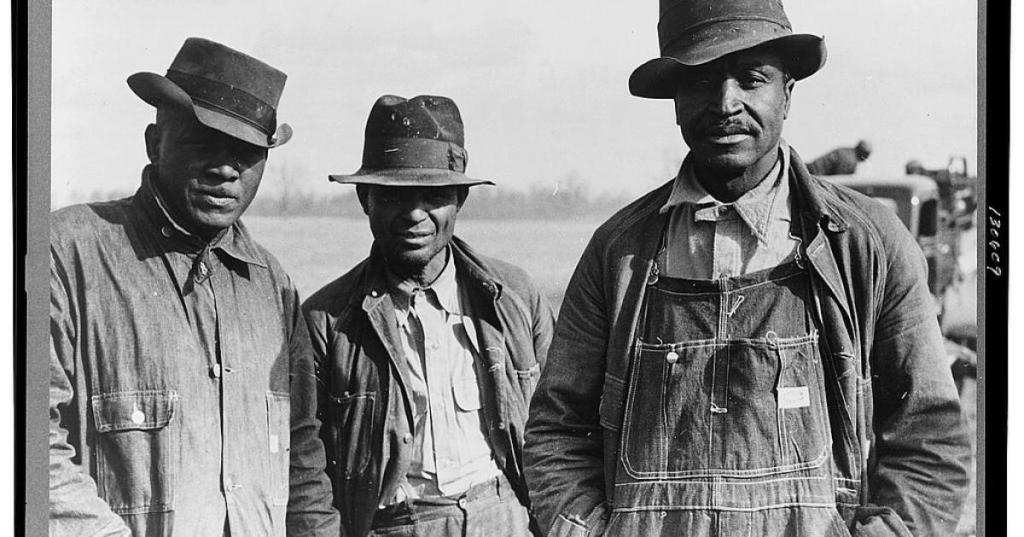
The end of slavery did not end the struggle over Black labor in America. It merely changed the battlefield.
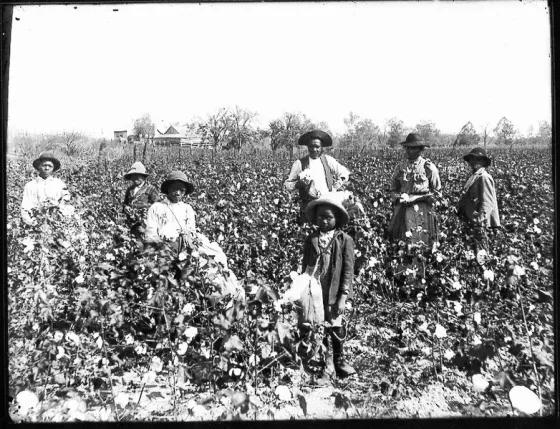
When the Confederacy collapsed in 1865, formerly enslaved Black Americans gained legal freedom, but Southern elites quickly confronted a problem: how could they maintain an agricultural economy dependent on cheap Black labor without slavery itself? The answer emerged through a web of laws, violence, debt systems, and labor restrictions that historians today recognize as the foundation of the Jim Crow order.
Among the lesser-known tools of this system were anti-enticement laws, statutes specifically designed to prevent employers, recruiters, and businesses from offering better opportunities to Black workers already employed elsewhere. While often presented as protections for labor contracts, these laws functioned in practice as mechanisms for restricting Black economic mobility and preserving a racialized labor hierarchy.
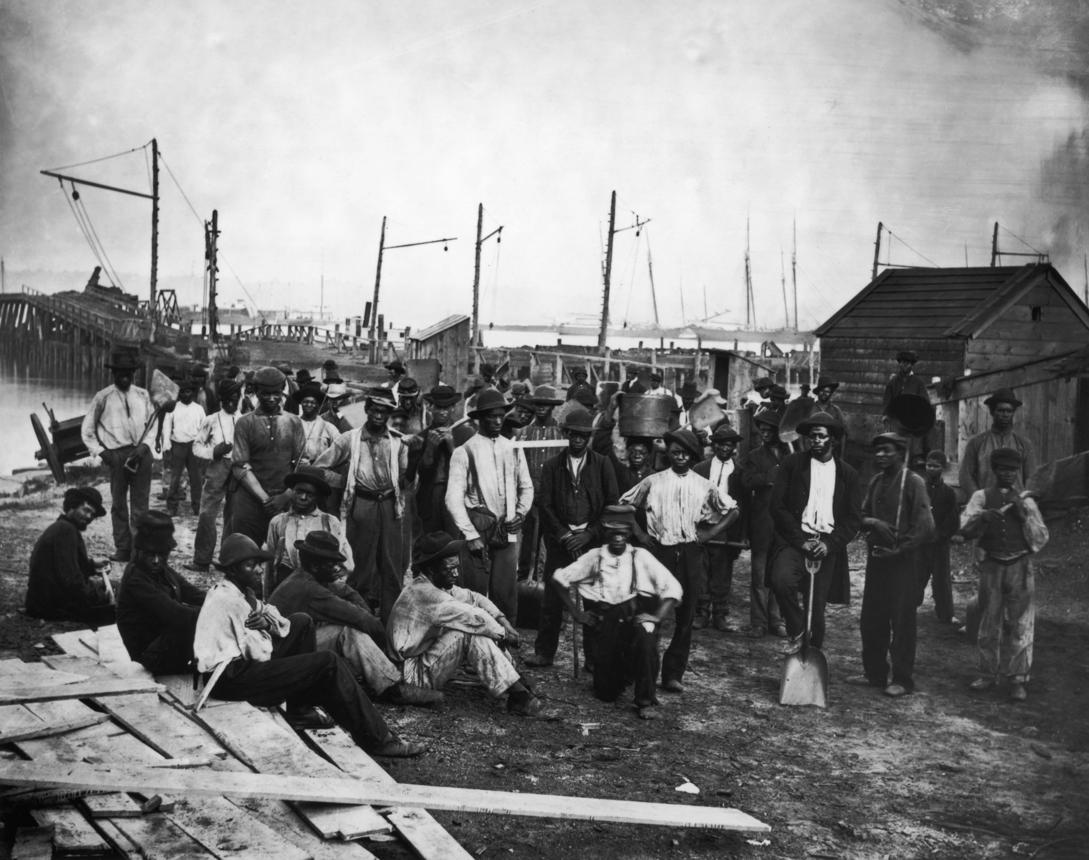
In state after state across the South, anti-enticement laws made it illegal or financially risky for employers to recruit workers who were under existing labor agreements. Violators could face civil penalties, criminal prosecution, or lawsuits. On paper, these laws applied broadly. In reality, they disproportionately affected Black agricultural laborers whose economic survival depended on their ability to seek better wages and working conditions.
The timing was not accidental.
Following emancipation, many Black workers attempted to leave plantations that offered poor wages or exploitative conditions. Plantation owners feared a labor market in which workers could negotiate, relocate, or pursue competing employment. Anti-enticement laws became one method of freezing workers in place.
The system worked hand-in-hand with sharecropping, a labor arrangement that often trapped Black families in cycles of debt. Because many sharecroppers owed money to landowners or merchants at the end of each season, employers could claim workers were contractually obligated to remain. Recruiters attempting to offer higher-paying jobs risked legal consequences under anti-enticement statutes.
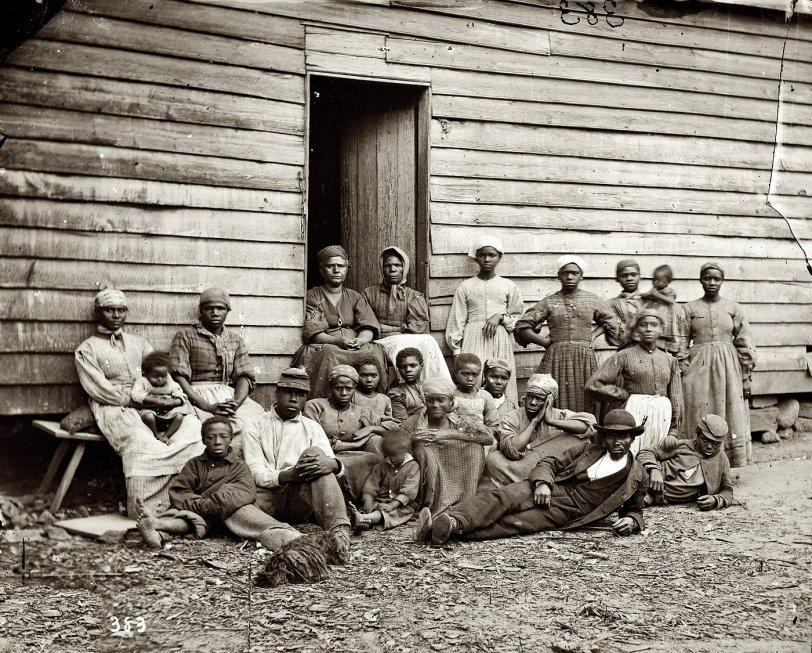
The result was a labor market that was technically free but heavily constrained.
Historians have compared these policies to broader systems of economic control that emerged throughout the post-Reconstruction South. While Black Americans were no longer legally property, their access to economic opportunity was systematically restricted through law, coercion, and violence. Employers who sought to recruit Black workers away from plantations could find themselves dragged into court. Black laborers attempting to leave could face arrest under vagrancy laws, debt peonage schemes, or contract enforcement measures.
The objective was clear: preserve a stable and inexpensive workforce.
These laws became especially important during periods of labor shortages. As Northern industries expanded and migration opportunities emerged, Southern landowners feared losing workers to better-paying jobs. Anti-enticement statutes acted as barriers against competition, protecting employers rather than employees.
The economic consequences were profound.
By suppressing labor mobility, anti-enticement laws helped depress wages and limit bargaining power. Black workers often found themselves unable to leverage competing job offers or negotiate improved conditions. This reduced economic competition in local labor markets and reinforced racial inequalities that persisted for generations.
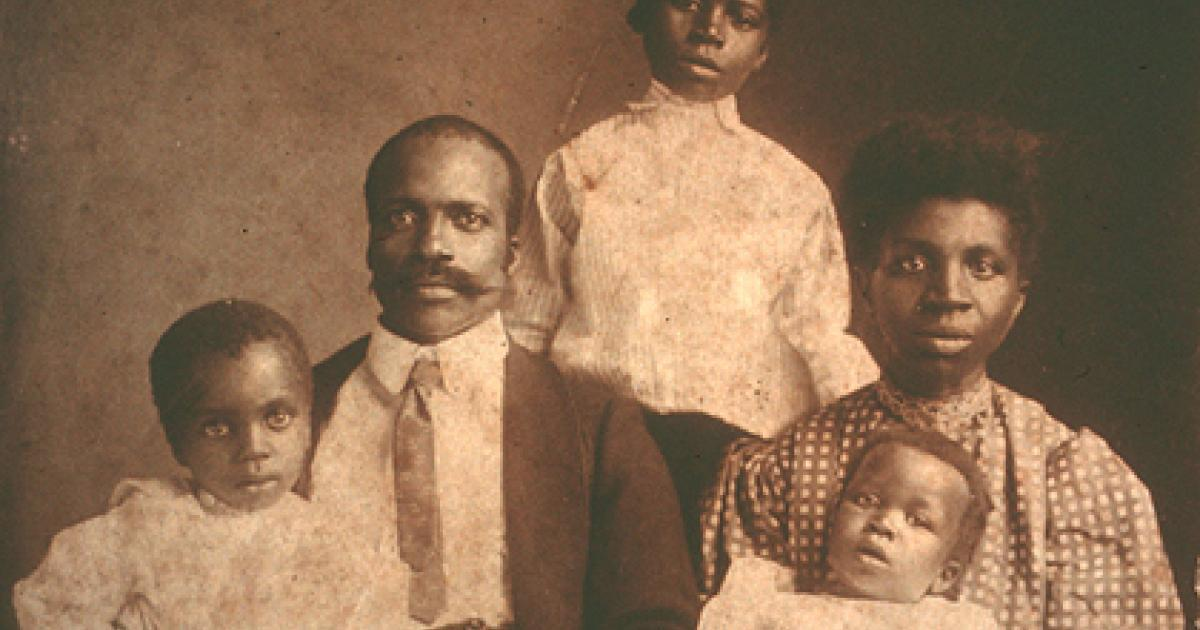
The laws also intersected with racial violence. During the late nineteenth and early twentieth centuries, Black workers who attempted to leave exploitative arrangements sometimes faced intimidation, threats, or mob violence. Legal restrictions and extralegal terror operated as complementary systems designed to maintain the existing racial order.
Many historians describe Jim Crow as more than a system of segregation. It was also an economic regime. Separate schools, voting restrictions, and public accommodations were visible components, but economic controls formed the foundation that sustained the system. Restricting labor mobility ensured that political and social subordination remained economically profitable.
By the early twentieth century, the Great Migration began to undermine these controls. Millions of Black Americans left the South for Northern and Midwestern cities, seeking industrial employment and greater personal freedom. Their departure exposed the limits of Southern labor control systems. Even so, many anti-enticement laws remained on the books for years, remnants of an era when economic opportunity itself was treated as something to be regulated along racial lines.
Today, anti-enticement laws occupy a relatively small place in public memory compared to segregation, lynching, or voter suppression. Yet they reveal an important truth about the Jim Crow era: political rights alone were not the target. Economic independence was as well.
The struggle after emancipation was not simply over whether Black Americans would be free. It was over whether that freedom would include the ability to sell their labor, negotiate their wages, and pursue opportunity on equal terms. Anti-enticement laws were among the many tools used to ensure that, for millions, the promise of emancipation remained constrained by a new architecture of economic control.
—Barrington Williams, B1Daily





Leave a comment