—Kel McKnight, B1Daily
For an industry built on futuristic cities, alien technology, and cyberpunk dystopias, comic books remain trapped in a retail model that feels like it crawled out of 1987 wearing fingerless gloves and carrying a fax machine.

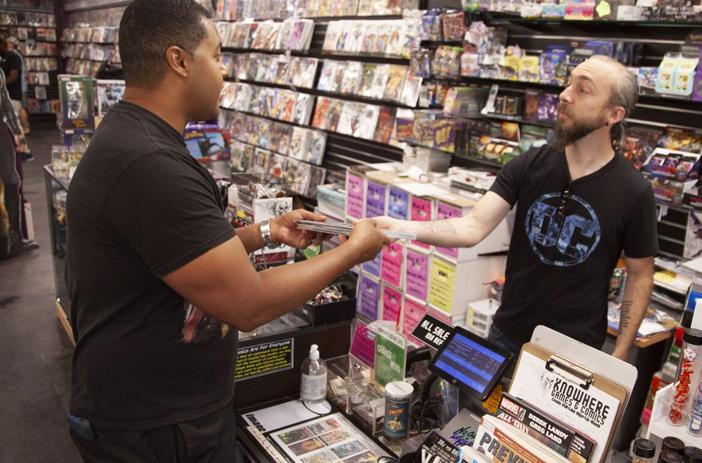
The modern comic industry still depends heavily on the “pull list” system at local comic shops. Customers pre-order issues weeks or months in advance, retailers gamble on inventory, and publishers use those pre-orders as the primary way to measure demand. It is a distribution model designed for a shrinking niche audience of hardcore collectors, not for the average young reader raised on streaming, mobile apps, and instant access culture.
And that is exactly why comics have struggled to fully transition into the digital age.

Younger audiences do not naturally gravitate toward comic shops the way previous generations did. Many Gen Z readers discover stories through TikTok edits, anime clips, YouTube lore videos, webtoons, or mobile manga apps. They live online. Their entertainment ecosystem is algorithm-driven and frictionless. If they hear about a story they like, they expect to tap a screen and begin reading immediately.
Instead, the comic industry often asks them to locate a specialty store, understand a confusing release schedule, set up a pull list, and commit to monthly floppy issues that can cost five dollars each for barely fifteen minutes of reading. To younger consumers, that process feels less like entertainment and more like signing paperwork at the DMV.
Meanwhile, manga has exploded globally because it embraced accessibility. Massive bookstores carry it. Online retailers stock it everywhere. Digital apps let readers binge entire arcs instantly. Manga publishers understand that younger readers consume stories in bulk, not in tiny serialized fragments rationed month by month like narrative breadcrumbs.
American comics still largely operate on a scarcity and collector mentality. Variant covers, speculative buying, limited print runs, and retailer-exclusive editions dominate marketing conversations. Publishers continue prioritizing the Wednesday comic shop ritual even as foot traffic ages upward. The result is an industry that often feels more focused on preserving a collector economy than cultivating new readers.
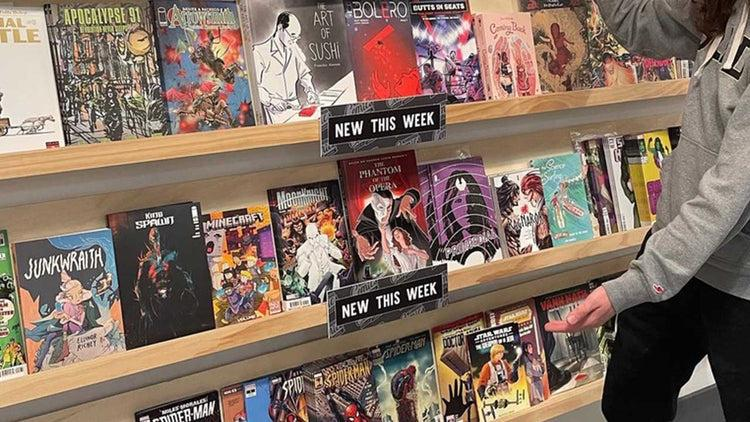
Local comic stores themselves are not the enemy. Many are cultural landmarks and community hubs. They host events, introduce readers to creators, and preserve comic culture in cities across America. But the industry’s dependence on comic shops as the central artery of distribution has become a bottleneck.
The pull system creates barriers for casual readers. Imagine trying to convince a teenager accustomed to Netflix and Spotify that they need to pre-order Chapter 4 of a story three months before release or risk missing it entirely. That logic sounds almost archaeological in the era of digital convenience.
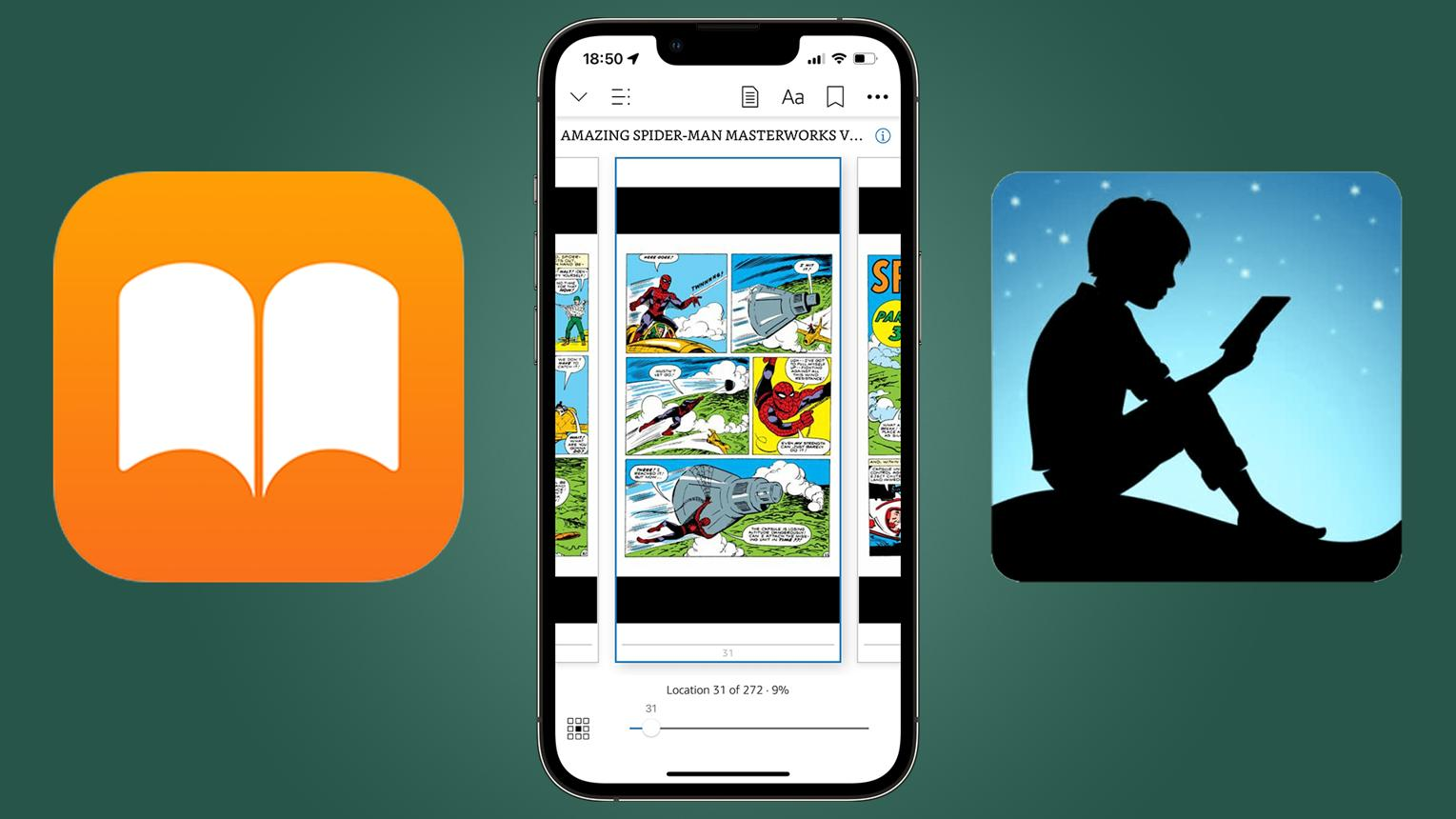
Even digital comic platforms have often felt half-hearted. Major publishers release digital versions, but they frequently treat them as secondary products instead of the primary battlefield for audience growth. Apps can feel clunky, pricing remains high, and subscription services still lack the seamless binge-friendly experience that younger readers expect from modern entertainment ecosystems.

There is also a psychological problem. Comic publishers continue marketing like the audience already exists instead of meeting audiences where they are forming. Younger readers are discovering superheroes through movies, gaming, and social media, yet the pipeline from fandom to comic readership remains strangely broken. Millions watch superhero content daily without ever touching a comic book.
That disconnect would terrify almost any other entertainment industry.
Imagine if millions watched fantasy films but bookstores still required customers to pre-order individual chapters months in advance through specialty hobby stores. That industry would collapse under the weight of its own nostalgia.
The comic industry survives partly because of loyal collectors, speculative investors, and legacy fans keeping the machine running. But survival is not the same thing as growth.
A truly modern comic ecosystem would prioritize digital-first publishing, lower-cost subscriptions, bingeable story libraries, vertical scrolling mobile formats, social media integration, and aggressive online discoverability. It would target the smartphone generation instead of expecting the smartphone generation to adapt itself to decades-old retail traditions.
Until then, comics remain suspended between two worlds: one foot in the future, the other stuck alphabetizing pull folders under fluorescent lights while younger audiences scroll past them at the speed of Wi-Fi.
—Kel McKnight, B1Daily





Leave a comment