—Sylvester Loving, B1Daily
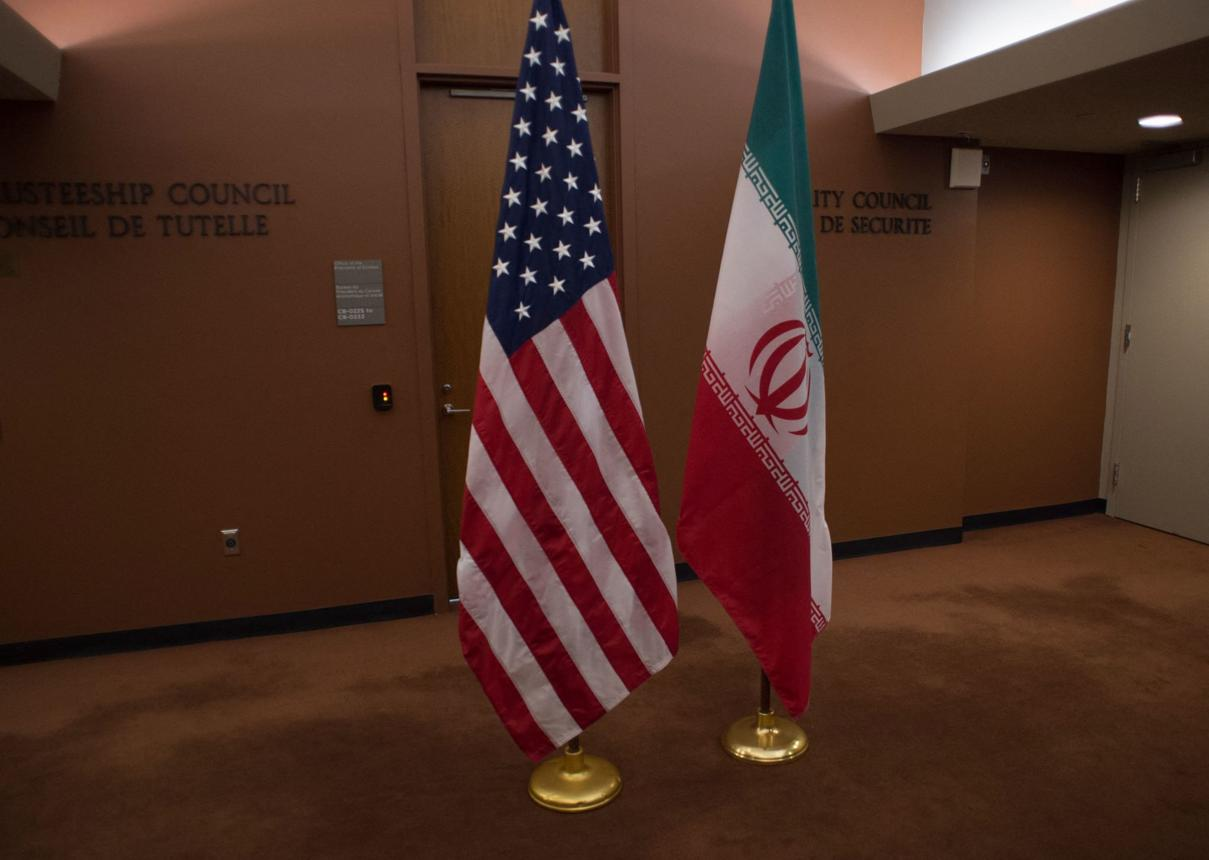
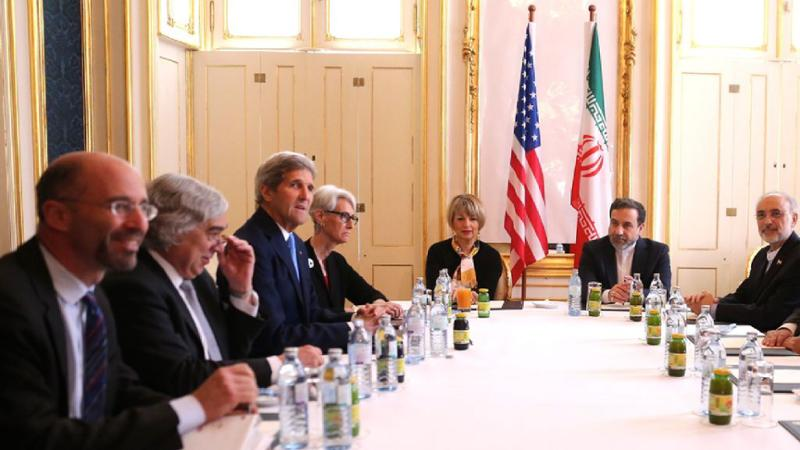
The announcement of a peace framework between the United States and Iran represents one of the most significant diplomatic developments in the region in years. According to officials from both countries, the agreement is intended to halt the conflict that erupted earlier this year and establish a path toward broader negotiations on security, sanctions, and Iran’s nuclear program. The framework is expected to be formally signed in Switzerland later this week.
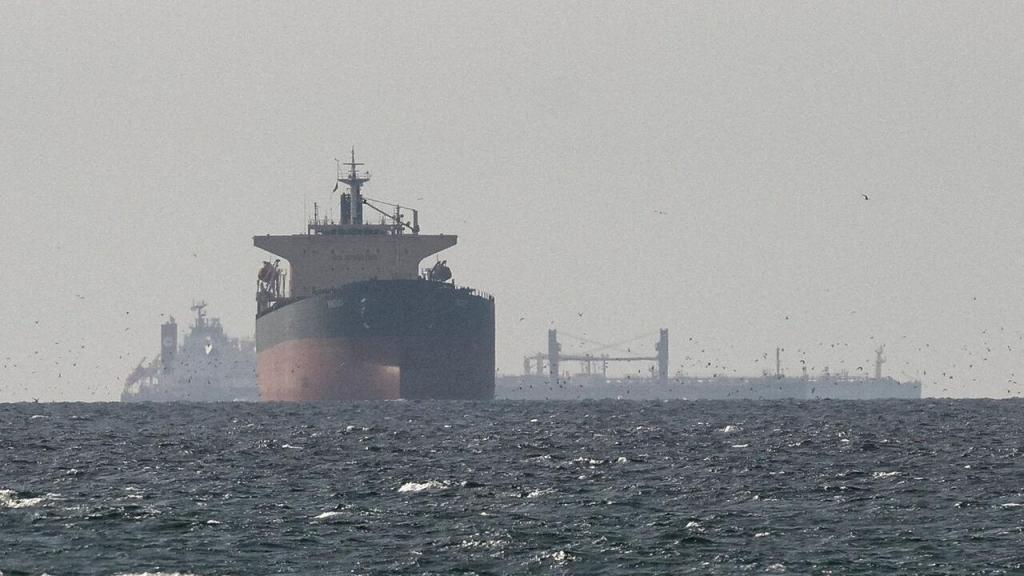
At the center of the agreement is the reopening of the Strait of Hormuz, one of the world’s most important energy shipping routes. For months, disruptions in the strait sent shockwaves through global markets, driving up oil prices and fueling concerns about inflation and economic instability. News of the agreement immediately triggered a sharp decline in oil prices as investors anticipated the return of more stable energy supplies.
The conflict had evolved into a broader regional crisis involving military operations across multiple fronts, including tensions connected to fighting in Lebanon. Under the reported terms of the agreement, military operations are expected to cease while negotiators work toward a more comprehensive settlement. The framework also reportedly includes ending the U.S. blockade of Iranian ports and reopening key trade routes that had been restricted during the conflict.
Financial markets reacted enthusiastically. Stock indexes surged across Europe and Asia while energy prices fell. Investors viewed the agreement as a sign that one of the world’s most dangerous geopolitical flashpoints may be cooling, at least temporarily. Major airlines, manufacturing firms, and transportation companies all benefited from expectations of lower fuel costs and reduced geopolitical risk.
Yet significant challenges remain. The agreement is widely viewed as a framework rather than a final settlement. One of the largest unresolved issues is Iran’s nuclear program. Negotiators are expected to use a 60-day window to address questions involving uranium enrichment, sanctions relief, and long-term security guarantees. How those talks unfold could determine whether the current breakthrough becomes a lasting peace or merely a pause in hostilities.
International leaders have largely welcomed the development. The United Nations described the agreement as a major opportunity to reduce violence and stabilize the region, while several world powers signaled support for further negotiations. The deal has also highlighted the role of mediation efforts by Pakistan, which helped facilitate communication between the two sides during the negotiations.
For ordinary people across the Middle East, the significance of the agreement extends beyond politics. Months of conflict brought economic hardship, uncertainty, and fears of a wider regional war. A sustained peace could improve trade, reduce energy market volatility, and create conditions for broader diplomatic engagement throughout the region.
Whether this agreement ultimately becomes a historic peace accord or a temporary ceasefire remains to be seen. What is clear is that the announcement has already altered the geopolitical conversation. After months of confrontation, Washington and Tehran have chosen negotiation over escalation, creating an opening that could influence the Middle East, global energy markets, and international diplomacy for years to come.
—Sylvester Loving, B1Daily






Leave a comment