
—Vanessa Edwards, B1Daily
For as long as people have organized collective action, information has been the fuel that keeps movements alive. A boycott cannot succeed if people do not know it exists. It cannot grow if supporters remain isolated. It cannot create economic pressure if participation stays limited to a small circle of activists. That is why word of mouth remains one of the most important elements of any boycott campaign.
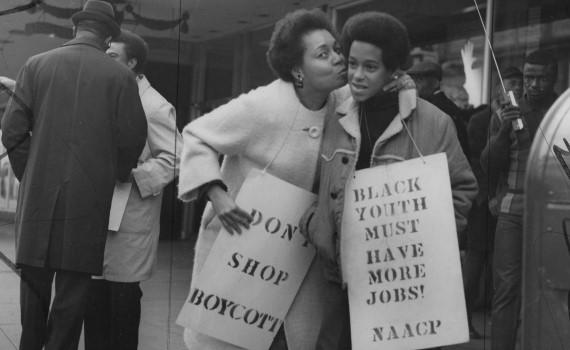
In an age dominated by social media algorithms, many people assume that online posts are enough to spread awareness. The reality is often very different. Social media platforms decide what users see, which topics trend, and which messages receive visibility.
Posts can be buried, accounts can lose reach, and important information can disappear beneath an endless stream of content. Word of mouth bypasses those barriers entirely. When one person tells a friend, family member, coworker, church member, or neighbor about an upcoming boycott, the message travels directly from person to person without an algorithm standing in the way.
History shows that some of the most influential boycotts in American history relied heavily on community networks. Churches, neighborhood organizations, civic groups, and families became information hubs that kept participants informed and united. Before smartphones existed, people organized through conversations, phone trees, meetings, and community gatherings. The lesson remains relevant today: people trust information more when it comes from someone they know.
Word of mouth also creates accountability. Seeing a boycott announcement online is one thing. Having a friend explain why they are participating and why it matters creates a personal connection that is often more persuasive. Conversations allow people to ask questions, express concerns, and understand the goals behind a movement. That personal interaction transforms a message into a commitment.
Another advantage of word-of-mouth communication is its ability to reach people who may not be active online. Millions of Americans rarely engage with political content on social media or may not use social media platforms at all. Community discussions, workplace conversations, family gatherings, and local events help bridge that gap. A movement that depends entirely on digital engagement risks missing large portions of the population.
Effective boycott organizers understand that awareness is not enough. Participation requires repetition. People are more likely to remember dates, goals, and action plans when they hear about them multiple times from multiple sources. A social media post may be forgotten within minutes, but a conversation at a family cookout, church service, community meeting, or workplace break room can leave a lasting impression.
Word of mouth also strengthens solidarity. Successful boycotts are not just economic campaigns; they are community efforts. When people share information directly, they create a sense of shared purpose and collective responsibility. Participants no longer feel like isolated individuals making separate choices. They become part of a larger movement working toward a common goal.
The most effective boycotts in history were built one conversation at a time. Technology may have changed how information travels, but the fundamental principle remains the same. People influence people. A text message can be ignored. A post can be scrolled past. An algorithm can suppress a topic. But a trusted voice speaking directly to another person remains one of the most powerful forces in any movement.
As new boycott campaigns emerge across the country, organizers would be wise to remember an old lesson. Social media may light the spark, but word of mouth is often what keeps the fire burning.
—Vanessa Edwards, B1Daily





Leave a comment