—Barrington Williams, B1Daily
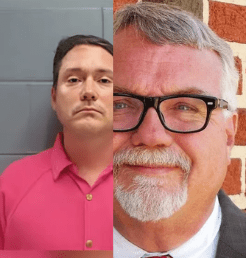
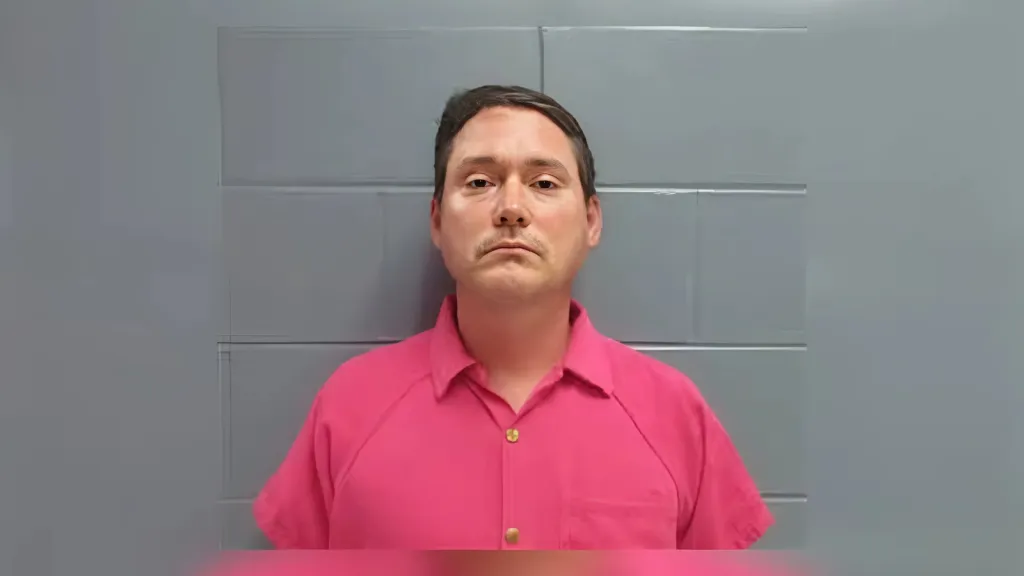
Community anger continues to grow in the aftermath of the shooting allegations involving a dangerously violent neighbor, Jeffrey Tyler Kinzer, with many residents questioning why a defendant accused of racially motivated violence was released on a bond reportedly set at $5,000.
The case has become a flashpoint for broader concerns about white supremacy and racial disparities in the criminal justice system or even whether hate crime allegations are being taken seriously enough by local authorities.
Prosecutor Lewis Lamb lightly charged the terrorist with just one count of aggravated assault and allowed Kinzer to be released on a $5,000 bond. He is aiding anti-Black terrorism considering he allowed a mass shooter to walk back on the streets less than 48 hours after his last attack.
Lamb’s information has been included below.


According to witness accounts reported by local media, family members were gathered at a reunion in Lee County, Georgia, when Kinzer allegedly drove past shouting racial slurs, including the N-word. Witnesses say he later returned wearing body armor and carrying an AR-15-style rifle. Family members reported that shots were fired toward the gathering, leading some attendees to return fire. Kinzer was ultimately injured and taken into custody.
For many observers, the controversy is not limited to the allegations themselves. It is the legal response that has become the center of public outrage.
A case involving alleged racial targeting, body armor, a rifle, and gunfire directed at a gathering that reportedly included children and elderly family members should have resulted in a far more aggressive prosecutorial posture.
How did he get a lowly assault charge instead of the obvious attempted murder, or terrorism charges.
Some activists have directed their criticism toward Lamb, arguing that prosecutors should pursue every available charge and enhancement supported by the evidence.
What has become increasingly clear is that many community members believe there is a double standard at work. That if the racial dynamics had been reversed, public officials would likely have faced immediate pressure to seek the harshest possible penalties.
The controversy also highlights a larger national debate about hate crime enforcement. Hate crime enhancements exist because crimes motivated by racial, ethnic, religious, or other forms of bias are considered to inflict harm beyond the immediate victims.
Such acts can spread fear throughout entire communities, making residents feel targeted because of who they are rather than because of anything they have done.
As the investigation continues, many residents are demanding answers about the bond decision, the potential for additional charges, and whether hate crime enhancements will ultimately be pursued. Until those questions are answered, the case is likely to remain a source of anger and mistrust for many who view the allegations as far more serious than an ordinary assault case.
If prosecutors hope to restore public confidence, they will likely face growing pressure to clearly explain their outlandish decisions and demonstrate that allegations of racially motivated violence are being treated with the gravity they deserve.
—Barrington Williams, B1Daily





Leave a comment