—Matt Gwinta, B1Daily
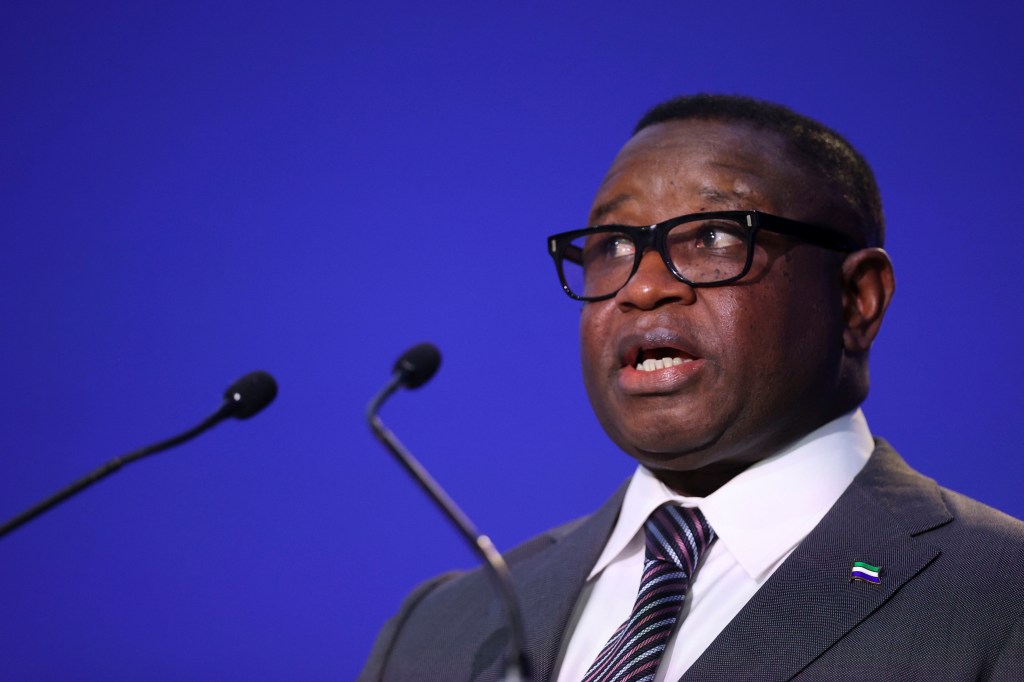
Discussions about Africa and the descendants of the transatlantic slave trade have largely centered on history, identity, and cultural reconnection. Increasingly, however, a new conversation is taking shape, one driven less by symbolism and more by economics. Sierra Leone is among the African nations actively encouraging members of the African diaspora, including Black Americans, to see the country not only as an ancestral homeland but also as a place to build businesses, invest capital, and create lasting economic partnerships.

The strategy represents a shift from tourism-focused initiatives toward long-term development. Rather than simply inviting diaspora visitors to explore historic sites connected to the slave trade, Sierra Leone is emphasizing entrepreneurship, technology, manufacturing, agriculture, real estate, and education as areas where returning members of the diaspora can contribute skills, capital, and global business networks.
From Heritage Tourism to Economic Partnership
Sierra Leone’s outreach to the African diaspora has grown significantly over the past several years through initiatives designed to strengthen ties with people of African descent living abroad. Government officials have promoted programs aimed at simplifying investment, encouraging dual engagement with the country, and expanding opportunities for diaspora-led development projects.
For many Black Americans, interest in Africa has grown alongside broader conversations about wealth creation, global business opportunities, and cultural identity. Sierra Leone’s message is that reconnecting with the continent can extend beyond genealogy or historical reflection. It can become an economic relationship built on trade, investment, and entrepreneurship.
This approach reflects a growing recognition that members of the diaspora collectively control hundreds of billions of dollars in annual purchasing power and possess expertise in industries ranging from healthcare and engineering to finance, logistics, media, and technology.
Why Sierra Leone Is Looking to the Diaspora
Like many developing economies, Sierra Leone faces challenges that include infrastructure needs, youth unemployment, limited industrialization, and access to international investment capital. Rather than relying exclusively on foreign governments or multinational corporations, the country sees its global diaspora as a potential engine for economic growth.
Black American entrepreneurs often bring advantages that local startups may lack, including access to U.S. financial markets, business management experience, international supply chains, digital marketing expertise, and relationships with investors.
The goal is not simply to attract wealthy individuals looking to retire overseas. Officials envision professionals establishing technology firms, agricultural businesses, manufacturing operations, tourism ventures, educational institutions, and export companies that create jobs while strengthening commercial ties between West Africa and the United States.
Building Economic Bridges Instead of One-Way Migration
Migration today looks very different from previous generations.
Advances in remote work, digital commerce, and global logistics make it increasingly possible for entrepreneurs to operate businesses across multiple countries simultaneously. A Black American relocating to Sierra Leone no longer has to sever ties with the United States. Instead, they can build companies that serve customers on both continents.

This “economic bridge” model could include importing African goods into U.S. markets, exporting American products and expertise to West Africa, launching software companies with distributed teams, or developing tourism businesses that connect travelers with authentic cultural experiences.
These cross-border enterprises have the potential to create jobs in both countries while fostering deeper commercial relationships.
Opportunities in Key Industries
Several sectors stand out as particularly promising for diaspora investment.
Agriculture remains one of Sierra Leone’s largest economic sectors, with opportunities in food processing, agribusiness, and exports.
Technology is another area attracting attention. As internet access expands across Africa, demand for software development, digital payment systems, cybersecurity, cloud services, and online education continues to grow.
Real estate and infrastructure also present opportunities, particularly as urban populations expand and demand increases for housing, commercial developments, and hospitality projects.
Healthcare, renewable energy, logistics, manufacturing, and vocational education are additional sectors where diaspora expertise could contribute to long-term development.
The Challenges Should Not Be Ignored
While the opportunities are real, relocating or investing in Sierra Leone also comes with significant challenges.
Entrepreneurs must navigate regulatory requirements, evolving business laws, infrastructure limitations, financing constraints, and market risks. Building successful enterprises often requires strong local partnerships, legal guidance, and a deep understanding of cultural and economic conditions.
Potential investors should conduct thorough due diligence before committing significant capital. Success in emerging markets typically depends on patience, adaptability, and long-term planning rather than expectations of quick profits.
A New Vision for Diaspora Engagement
Sierra Leone’s outreach reflects a broader trend across Africa, where governments increasingly view the diaspora as strategic partners rather than distant observers. Instead of measuring success solely by the number of visitors who tour historical landmarks, policymakers are asking a different question: How can diaspora communities help build industries, expand exports, create jobs, and strengthen economic resilience?
For Black Americans interested in expanding their global footprint, that invitation presents both opportunity and responsibility.
The relationship between Africa and its diaspora has long been defined by history. Sierra Leone hopes the next chapter will be defined by business partnerships, investment, innovation, and shared prosperity.
Whether that vision succeeds will depend not only on government initiatives but also on the willingness of entrepreneurs, investors, and professionals to view the connection as more than a symbolic homecoming. If enough members of the diaspora answer that call, the bridge between Sierra Leone and Black America could become one of commerce as much as culture.
—Matt Gwinta, B1Daily





Leave a comment