—Vanessa Edwards, B1Daily
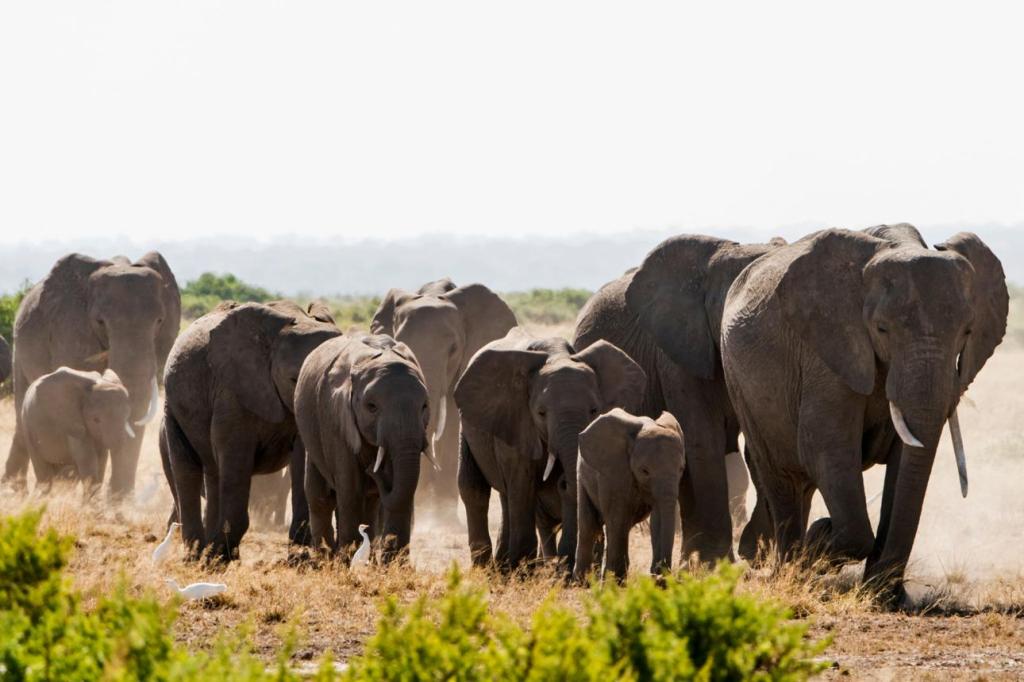
Africa possesses something much of the world desperately wants to see: wildlife found nowhere else on Earth.
Lions. Gorillas. Okapis. African elephants. Black and white rhinos. Giraffes. Bonobos. Mountain zebras and countless other species form part of the continent’s extraordinary natural inheritance.

Yet African governments should ask a simple economic question: If these animals are valuable enough for foreign zoos to build exhibits around them, sell tickets around them and advertise them, why shouldn’t African countries retain greater control over that value?
China provides an intriguing model.
China Doesn’t Simply Give Away Its Pandas
China transformed the giant panda into something far larger than an endangered animal. It became a diplomatic and economic asset.
Under modern international giant-panda cooperation agreements, China retains ownership of pandas sent abroad. China’s forestry authority says pandas participating in overseas conservation programs, their cubs and associated genetic material remain Chinese property, with offspring generally returning to China before reaching four years old.
The Smithsonian’s current 10-year agreement provides an especially revealing example. Its two pandas are in Washington under a research and breeding agreement running through 2034, and the zoo says the arrangement includes an annual $1 million fee supporting conservation and research in China. Cubs born there are to move to China by age four.
China has effectively said: You may enjoy our national treasure, study it and display it, but it remains ours.
African governments should study that philosophy carefully.
An African Wildlife Sovereignty Model
Africa doesn’t need to copy China’s system word for word. Wildlife law, conservation needs and animal populations differ enormously between countries and species.
But the underlying principle is powerful.
African governments could establish much stronger rules requiring certain threatened or culturally important animals transferred to foreign zoological institutions to remain under the ownership or long-term authority of their countries of origin.
Imagine a Congolese okapi agreement.
A Kenyan or Tanzanian wildlife conservation partnership.
A carefully regulated African rhinoceros breeding agreement.
Instead of permanently surrendering control, participating African governments could negotiate fixed-term arrangements requiring conservation payments, veterinary cooperation, genetic research, habitat investment and eventual return where scientifically appropriate.
Foreign institutions would receive extraordinary animals for legitimate conservation and educational purposes.
Africa would retain leverage over its biological inheritance.
The Money Should Follow the Animal Home
This is where the Chinese model becomes especially interesting.
International wildlife programs shouldn’t merely benefit the zoo displaying the animal. A meaningful portion of the economic value created should support conservation inside the country from which the species originates.
That could mean foreign institutions contributing directly toward anti-poaching operations, wildlife reserves, veterinary programs, habitat restoration, local conservation employment and scientific research.
The principle should be simple:
If an African animal helps generate economic value overseas, some of that value should return to protecting its species in Africa.
That transforms wildlife from something exported into something strategically managed.
Africa Already Has International Protections to Build Upon
International law has already moved somewhat in this direction.
CITES rules concerning certain African elephant and white-rhino populations require live animals to go to “appropriate and acceptable destinations.” Authorities must be satisfied that recipients can properly care for the animals and that the trade promotes conservation in the wild.
In 2019, international governments also sharply restricted exports of wild African elephants from Botswana, Zimbabwe, Namibia and South Africa to zoos outside the species’ natural range, with limited conservation-related exceptions.
Africa could build upon these protections rather than treating them as the finish line.
Wildlife Is Natural Capital
African countries have spent centuries watching outsiders assign enormous value to African resources only after those resources leave Africa.
Minerals.
Oil.
Diamonds.
Gold.
Cobalt.
Timber.
Wildlife shouldn’t become another chapter in that book.
An elephant isn’t merely an attraction. A gorilla isn’t merchandise. An okapi isn’t zoo inventory.
These animals represent ecological capital, cultural heritage, tourism value and scientific importance belonging first and foremost to the ecosystems and countries that produced them.
That doesn’t mean African animals should never live in foreign zoos. Carefully managed international breeding programs can provide genuine conservation and scientific benefits.
It means Africa should negotiate from a position of ownership rather than surrender.
China understood something remarkably important with the panda: rarity creates leverage.
African nations should understand the same thing about their wildlife.
If the world wants the privilege of hosting Africa’s most extraordinary animals, Africa should be able to demand conservation investment, scientific partnership, excellent animal welfare and meaningful control in return.
The lion may temporarily sleep overseas.
But Africa should make certain the keys to the kingdom never leave the continent.
—Vanessa Edwards, B1Daily





Leave a comment