—Barrington Williams, B1Daily
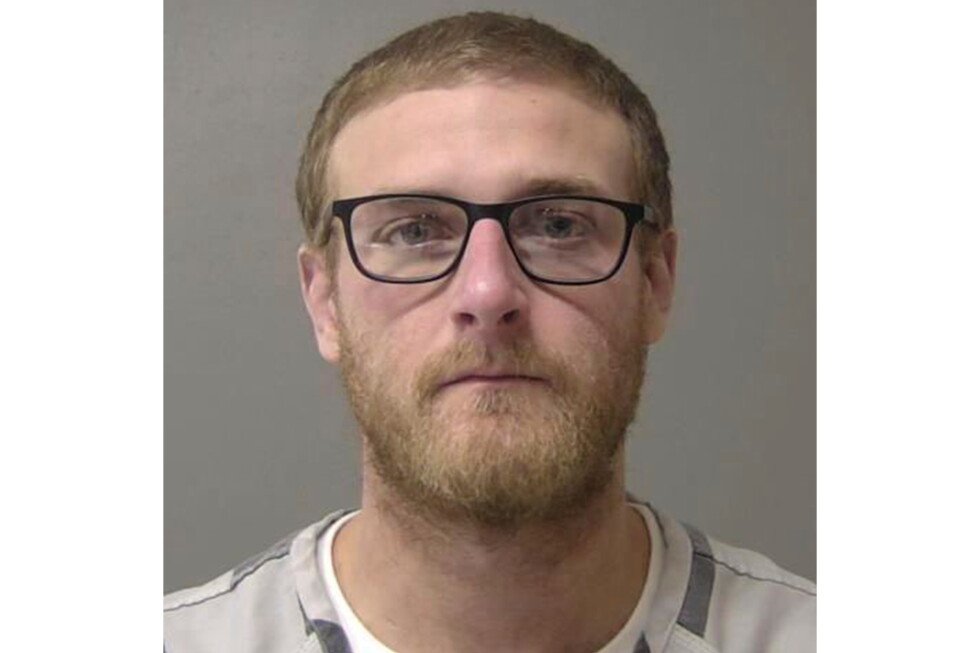
Sean Grayson wanted out of prison.
He didn’t get out.
The former Sangamon County sheriff’s deputy convicted of second-degree murder in the killing of Sonya Massey died Sunday at age 32 while serving a 20-year prison sentence. His attorney confirmed his death, although authorities had not immediately announced the official cause. Grayson had advanced colon cancer that had spread to his liver and lungs.
There is a grim symmetry here that will not be lost on people who followed this case.
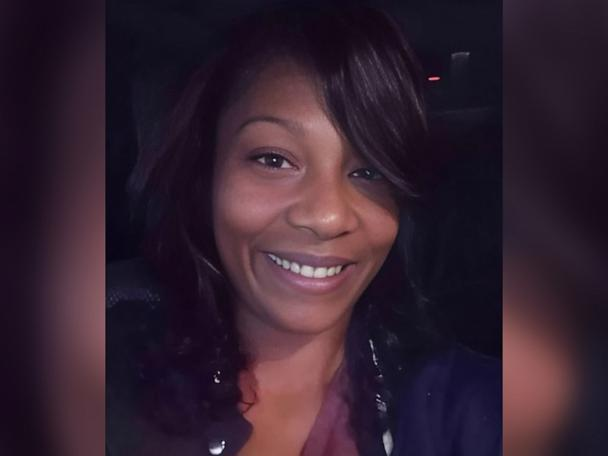
Massey called 911 on July 6, 2024 because she believed someone was prowling around her Springfield-area home. Grayson arrived as one of the people supposedly there to protect her. Instead, the encounter ended with Massey apologizing and crouching behind her kitchen counter before Grayson fired three shots, killing the 36-year-old Black mother.
She called for help.
She received a bullet.
Grayson Asked for Mercy the System Never Gave Massey
After his conviction, Grayson received the maximum 20-year sentence for second-degree murder. His deteriorating health soon became central to his attempt to leave prison early.
In May, Grayson sought medical release because of his advanced cancer. The Illinois Prisoner Review Board rejected that request last month.
There is an uncomfortable irony buried inside that sequence.
Grayson received lawyers.
He received a trial.
He received a jury.
He received sentencing proceedings.
He received medical treatment.
He received an opportunity to petition the government for compassionate release.
Sonya Massey received seconds.
The woman whose home he entered never received an opportunity to appeal what was happening in her kitchen.
Prison Was Where the Story Ended
There will undoubtedly be people who argue that Grayson’s death is nothing to celebrate. Death doesn’t resurrect Massey, heal her children or erase what happened inside that house.
That’s true.
Massey’s family’s attorneys made essentially that point after Grayson’s death, emphasizing that his passing does not undo the family’s loss.
But there is still something significant about the fact that Grayson died in custody.
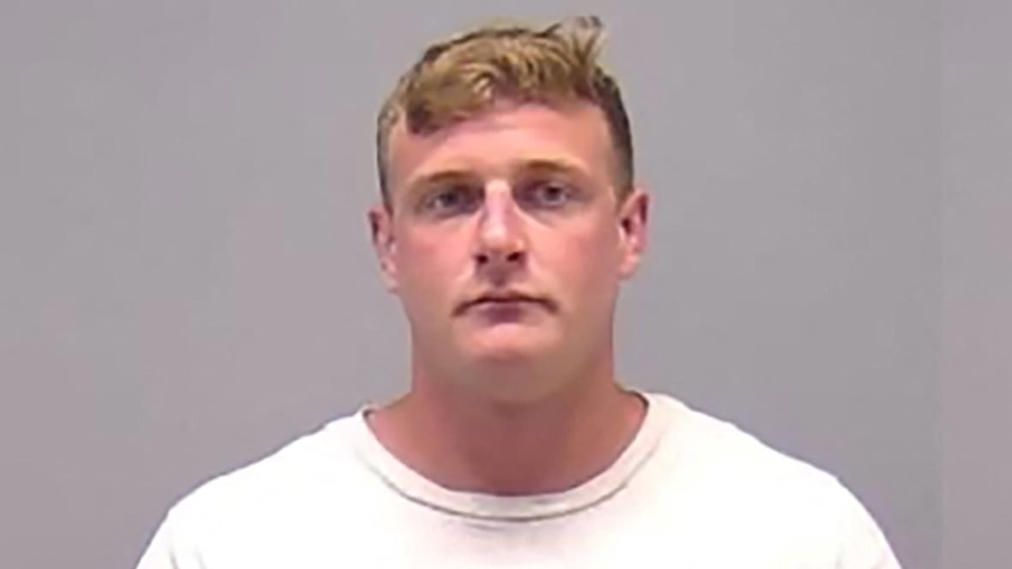
For generations, families in controversial police killings have watched officers avoid prosecution altogether, win acquittals or receive sentences they considered inadequate. Grayson did not escape accountability entirely. He was fired, prosecuted, convicted and sentenced to prison.
His badge didn’t save him.
His former profession didn’t save him.
And ultimately, his request to leave prison early didn’t save him from remaining incarcerated during the final stage of his life.
Sonya Massey’s Name Outlives His Badge
Perhaps the most fitting ending isn’t celebrating Grayson’s death at all.
It’s remembering whose name became larger.
Sonya Massey.
Her killing generated national outrage, protests and demands for police reform. Illinois subsequently enacted the Sonya Massey Act, strengthening requirements surrounding law-enforcement hiring and background investigations. Federal scrutiny also produced reforms involving Sangamon County law enforcement practices.
That is the legacy worth celebrating.
Grayson entered Massey’s house carrying the authority of the state.
Two years later, he died as an imprisoned former deputy convicted of murdering her.
Meanwhile, the woman he killed has her name attached to a law intended to help prevent troubled officers from slipping through the cracks of police hiring.
Sean Grayson’s story ended behind prison walls. Sonya Massey’s name is now written into Illinois law. If history gets the final word, that is one verdict no appeal can overturn
—Barrington Williams, B1Daily


Leave a comment