—Terrence Dorner, B1Daily
The United States can afford a $38 billion military operation. What it cannot easily afford is discovering that some of its most important defensive weapons take years to replace.
A new Congressional Budget Office analysis estimates that U.S. combat operations against Iran cost the Pentagon approximately $38 billion through August 1, with another $2 billion to $3 billion potentially being added for every additional month of fighting at recent levels.

But the dollar figure isn’t the most alarming number.
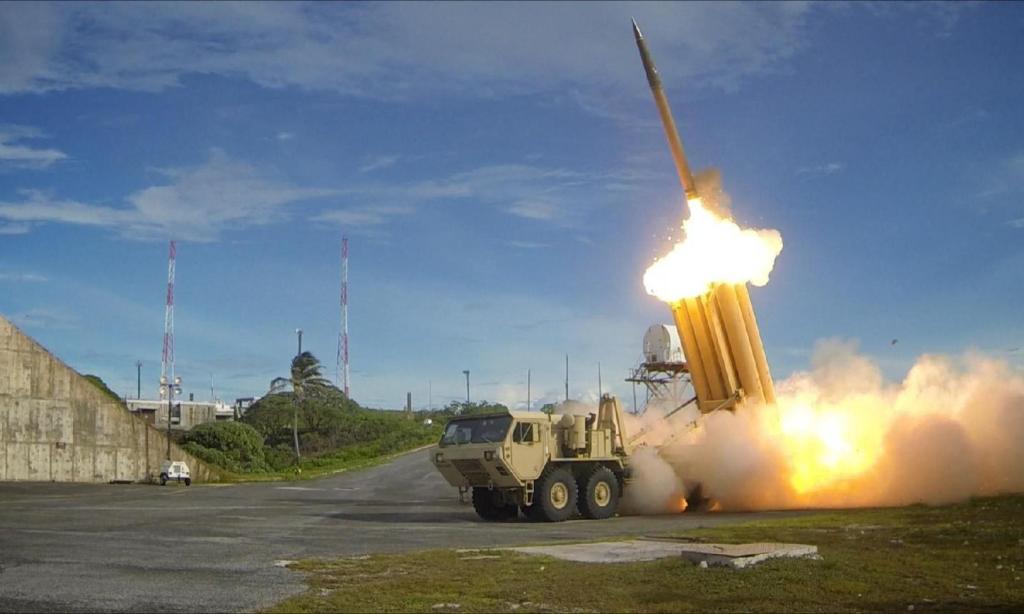
CBO estimates the United States has consumed between one-half and two-thirds of its inventory of certain missile-defense interceptors since June 2025, counting weapons expended in both the earlier defense of Israel and the current Iran conflict. Those include Patriot, THAAD, SM-3 and SM-6 interceptors. Rebuilding those inventories could take at least five years, even with increased production.
The Real Cost Is Readiness
The United States didn’t waste these interceptors. They were used for exactly what they were designed to do: destroy incoming missiles threatening American forces and allies.
The problem is industrial capacity.

CBO estimates that replacing the missile-defense interceptors already expended would cost roughly $13.1 billion. Individual interceptors aren’t cheap either. CBO puts approximate unit costs at $4 million for a Patriot or SM-6, $12 million for THAAD and $28 million for the sophisticated SM-3.
America therefore has a strange military problem: it possesses some of the world’s most advanced missile defenses, but it cannot manufacture replacements nearly as quickly as a major war can consume them.
That becomes especially dangerous when looking toward the Pacific.
CBO specifically warns that depleted interceptor inventories could create problems during a potential conflict with China, which possesses large numbers of ballistic and cruise missiles.
Congress Needs to Treat Missile Production Like a National-Security Emergency
The lesson from Iran shouldn’t simply be that war is expensive.
It should be that America’s defense-industrial base isn’t configured for prolonged high-intensity warfare.
Congress and the Pentagon need to accelerate interceptor production, expand manufacturing capacity, secure critical supply chains and pursue cheaper methods of defeating inexpensive drones and missiles. Using multimillion-dollar interceptors against every incoming threat is economically unsustainable.
The United States also needs enough inventory to defend Europe, the Middle East and the Indo-Pacific without stripping one theater to reinforce another.
The Iran conflict has essentially provided an extremely expensive stress test.
And it exposed a weakness.
America still possesses extraordinary military technology. The problem is that wars consume weapons at industrial speed while America increasingly replaces them at boutique speed.
Fixing that production gap may ultimately be one of the most important defense lessons to emerge from the entire conflict.
—Terrence Dorner, B1Daily



 B1Daily
Leave a comment